
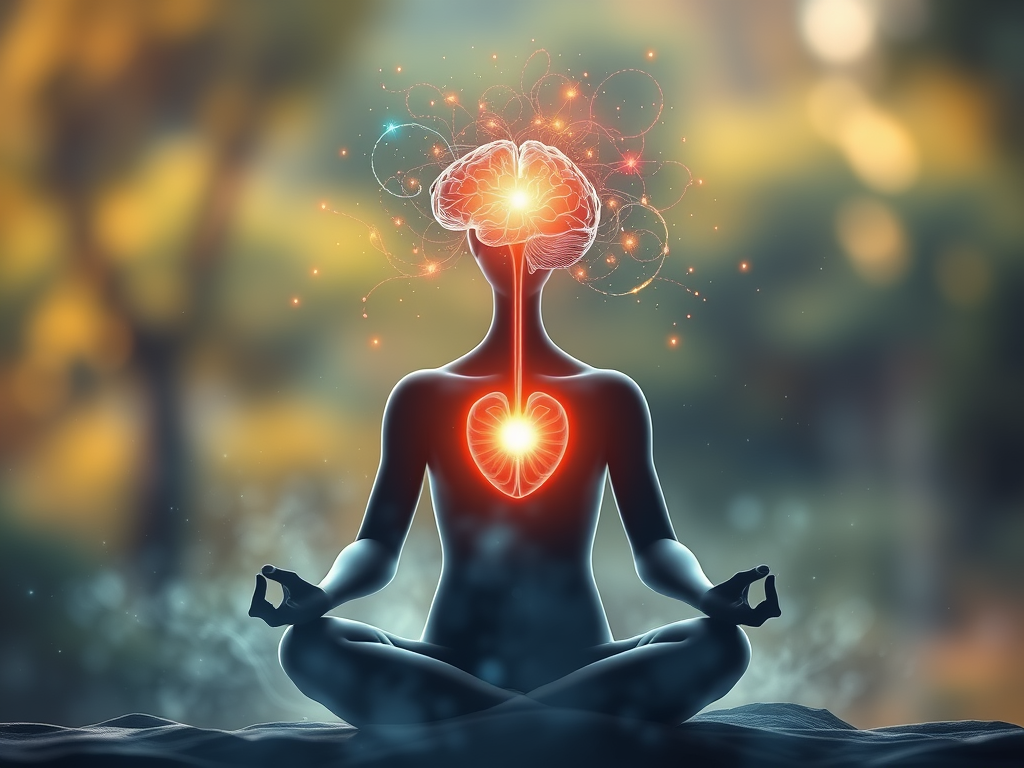
For centuries, Western medicine treated the mind and body as two separate entities. The body was a machine of flesh and bone, and the mind was an intangible realm of thoughts and emotions. A problem with one was rarely seen as having a direct impact on the other. Today, a scientific revolution is underway, proving that this separation is an illusion. The mind and body are not just connected; they are in a constant, dynamic conversation. This field, known as psychoneuroimmunology, reveals the intricate pathways through which your thoughts, feelings, and beliefs directly influence your physical health.
This isn’t “new age” philosophy; it’s hard science. Your brain acts as a command centre, and your thoughts can trigger a cascade of hormones and neurochemicals that have profound effects on your immune system, your heart, your gut, and even your DNA. Every moment of stress, every feeling of joy, every sense of connection or isolation is registered by your body and can either build up your resilience or chip away at your health.
Understanding this powerful connection is the first step toward taking greater control of your well-being. By learning how your mental state translates into physical reality, you can leverage the power of your mind to cultivate a healthier, more resilient body. Here are 10 scientifically-backed ways your thoughts and emotions directly affect your physical health.
1. The Body’s Alarm System: How Chronic Stress Weakens Immunity
Imagine your body has a sophisticated alarm system. When a threat appears—like a tiger in ancient times or a looming work deadline today—the alarm goes off. This is the “fight-or-flight” response. Your brain signals the release of hormones like cortisol and adrenaline, which prime your body for immediate action. Your heart rate increases, your senses sharpen, and energy is diverted to your muscles. This is a brilliant short-term survival mechanism. The problem is, in our modern world, the “tiger” never leaves. Chronic psychological stress from finances, relationships, or work keeps the alarm constantly blaring. When your body is flooded with cortisol day after day, your immune system pays the price. Cortisol suppresses the immune response, making you more susceptible to everything from the common cold to more serious infections. It also promotes widespread inflammation, which is now understood to be a key driver of many chronic diseases, including heart disease, diabetes, and arthritis.
- The Bottom Line: Your worried thoughts are not just in your head; they are sending a continuous “danger” signal that weakens your body’s natural defences over time.
2. The Brain’s Internal Pharmacy: The Power of the Placebo Effect
The placebo effect is one of the most compelling demonstrations of the mind-body connection. It’s a phenomenon where a person experiences real physiological improvements after taking a fake treatment, such as a sugar pill, simply because they believe it will work. This is not just “all in your head.” Brain scans show that when a person takes a placebo they believe is a painkiller, their brain releases its own natural pain-relieving chemicals, called endorphins. These endorphins are chemically similar to morphine and produce a genuine reduction in pain. The effect goes beyond pain relief; placebos have been shown to reduce tremors in Parkinson’s disease, lower blood pressure, and even improve symptoms of depression. The placebo effect proves that your expectations and beliefs are not passive thoughts; they are active biological agents. Your brain is, in essence, its own pharmacy, capable of producing powerful chemicals that can heal the body when it has a strong belief in a positive outcome.
- The Bottom Line: A firm belief in recovery can trigger your brain to produce its own healing chemicals, creating real, measurable physical changes.
3. An Optimist’s Heart: How a Positive Outlook Protects Your Cardiovascular System
Your disposition matters to your heart—literally. Numerous large-scale studies have found a powerful link between optimism and cardiovascular health. People who have a generally positive outlook on life have a significantly lower risk of developing heart disease, having a heart attack, or suffering a stroke. The reasons are multifaceted. Optimists tend to cope with stress more effectively, reducing the physiological strain on their hearts. They are also more likely to engage in healthier behaviours; if you believe your actions can lead to a positive future, you are more motivated to eat well, exercise regularly, and avoid smoking. Beyond behaviour, a positive mental state helps lower inflammation, reduce blood pressure, and maintain healthier cholesterol levels. Conversely, emotions like hostility, cynicism, and anger have been shown to be actively damaging to the heart, increasing the risk of hypertension and cardiovascular events.
- The Bottom Line: A hopeful, optimistic mindset isn’t just a pleasant way to live; it’s a powerful form of protection for your body’s most vital organ.
4. The Ache of Isolation: How Loneliness Fuels Inflammation
Humans are social creatures, hardwired for connection. When that connection is absent, our bodies interpret it as a threat. Chronic loneliness and social isolation act as a form of chronic stress, triggering physiological changes that can be as damaging to your health as smoking 15 cigarettes a day. One of the primary impacts is on inflammation. Studies have shown that lonely individuals have higher levels of pro-inflammatory proteins in their blood. Researchers theorize this may be an evolutionary holdover; an isolated ancestor was more vulnerable to injury and infection, so the body ramped up its inflammatory response in anticipation. In the modern world, without physical threats, this constant low-grade inflammation damages tissues and increases the risk for a host of conditions, including heart disease, Type 2 diabetes, arthritis, and even Alzheimer’s disease. Social connection, on the other hand, calms this threat response, providing a powerful buffer against stress and disease.
- The Bottom Line: Feeling socially isolated sends a danger signal to your body, activating a harmful inflammatory response that raises your risk of chronic illness.
5. Rewiring Your Brain: How Meditation Physically Alters Your Stress Response
Meditation and mindfulness are more than just relaxation techniques; they are powerful tools for physically restructuring your brain. Using MRI technology, neuroscientists have discovered that a consistent meditation practice can lead to measurable changes in brain structure. For example, the amygdala, the brain’s fear and anxiety centre, has been shown to shrink in meditators. At the same time, the prefrontal cortex, the area associated with higher-order functions like focus, emotional regulation, and self-awareness, becomes thicker. This “rewiring” fundamentally changes how you respond to stress. Instead of an immediate, reactive fight-or-flight response, the brain learns to pause and respond more thoughtfully. This mental shift has profound physical benefits, including lower baseline cortisol levels, reduced blood pressure, a stronger immune system, and an improved ability to manage chronic pain.
- The Bottom Line: Mindfulness practices actively change your brain’s architecture, making you fundamentally more resilient to the physical effects of stress.
6. The Second Brain: The Gut-Brain Axis
Have you ever had a “gut-wrenching” experience or felt “butterflies” in your stomach? These phrases are literal descriptions of the gut-brain axis, a constant, bidirectional communication highway between your brain and your digestive system. Your gut contains hundreds of millions of neurons—so many that it’s often called the “second brain”—and it is highly sensitive to your emotional state. When you feel anxious or stressed, your brain sends signals that can disrupt the delicate balance of your gut. This can lead to symptoms like indigestion, cramps, and nausea, and can worsen conditions like Irritable Bowel Syndrome (IBS) and Crohn’s disease. The communication goes both ways. The trillions of microbes living in your gut produce neurochemicals, including about 95% of your body’s serotonin (a key mood regulator). An unhealthy gut microbiome can send signals to the brain that contribute to anxiety and depression, creating a vicious cycle.
- The Bottom Line: Your emotional state directly impacts your digestive health, and the health of your gut directly impacts your mood. They are inextricably linked.
7. Believing Yourself Sick: The Power of the Nocebo Effect
The nocebo effect is the sinister twin of the placebo effect. Just as the belief in a treatment can cause positive effects, a negative belief or expectation can cause real, negative physical symptoms. If a doctor warns a patient about a potential side effect of a medication, that patient is significantly more likely to experience it, even if they were given a sugar pill. This is the power of negative suggestion. The thought or fear of becoming ill can trigger a stress response, releasing hormones that produce genuine symptoms like headaches, nausea, dizziness, or pain. The nocebo effect demonstrates how powerful our fears and anxieties can be in shaping our physical reality. A pessimistic or catastrophic way of thinking doesn’t just make you feel bad emotionally; it can prime your body to feel bad physically by creating the very symptoms you dread.
- The Bottom Line: Negative expectations can become self-fulfilling prophecies, triggering a stress response that creates real, negative physical symptoms.
8. Mind Over Matter: How Thoughts Can Influence Your Genes
For a long time, we believed our genes were our destiny, a fixed blueprint for our health. The emerging field of epigenetics is turning that idea on its head. It shows that our lifestyle and environment—including our thoughts and emotional states—can change the way our genes work. Your DNA sequence itself doesn’t change, but epigenetic “marks” can be added or removed, acting like dimmer switches that turn certain genes “on” or “off.” Chronic stress, for example, has been shown to turn on genes that promote inflammation. Conversely, practices like meditation and yoga have been found to turn off those same inflammatory genes and switch on genes that are associated with a healthy immune response. This means your emotional state has the potential to influence your genetic expression from moment to moment, either promoting health or contributing to disease.
- The Bottom Line: Your thoughts and behaviours can influence which of your genes are active, giving you a measure of control over your genetic predispositions.
9. Laughter as Medicine: The Physiological Boost of a Good Laugh
The old saying “laughter is the best medicine” has a surprising amount of scientific truth to it. A genuine, hearty laugh is a powerful physical event. It triggers a cascade of beneficial physiological changes. In the short term, it increases your intake of oxygen-rich air, stimulates your heart, lungs, and muscles, and boosts the release of endorphins, your brain’s natural feel-good chemicals and pain relievers. In the long term, laughter can actually improve your immune system. It decreases stress hormones and increases the number of antibody-producing cells and disease-fighting T-cells. Laughter also causes the inner lining of your blood vessels to relax and expand, increasing blood flow and improving cardiovascular function. It’s a fun and effective way to instantly shift your body out of a state of stress and into a state of health.
- The Bottom Line: Laughter is a powerful physical intervention that reduces stress hormones, boosts immunity, and improves heart health.
10. The Attitude of Gratitude: Better Sleep and Recovery
Practising gratitude is more than just a pleasant mental exercise; it has a direct calming effect on the nervous system and can significantly improve your physical health, particularly your sleep. When you focus on feelings of appreciation and thankfulness, it shifts you out of the “fight-or-flight” sympathetic nervous system and into the “rest-and-digest” parasympathetic nervous system. This state is essential for physical recovery and healing. Studies have shown that people who regularly practice gratitude—for example, by keeping a gratitude journal—tend to fall asleep faster, sleep longer, and report higher sleep quality. Good sleep is one of the pillars of physical health, crucial for repairing cells, consolidating memory, and regulating nearly every system in the body. By calming the anxious, ruminating thoughts that often interfere with rest, an attitude of gratitude sets the stage for the deep, restorative sleep your body needs.
- The Bottom Line: A conscious focus on gratitude calms the body’s stress response, promoting the restorative sleep that is essential for physical healing and overall health.
Further Reading
To explore the profound connection between your mind and body, these books offer a wealth of scientific insight and practical advice.
- Why Zebras Don’t Get Ulcers by Robert M. Sapolsky – The definitive guide to the science of stress, explaining in a clear and often humorous way how prolonged psychological stress impacts the body and contributes to disease.
- The Body Keeps the Score: Brain, Mind, and Body in the Healing of Trauma by Bessel van der Kolk, M.D. – A groundbreaking work that explains how trauma physically reshapes both the body and brain, and explores innovative paths to healing.
- Full Catastrophe Living: Using the Wisdom of Your Body and Mind to Face Stress, Pain, and Illness by Jon Kabat-Zinn, Ph.D. – The foundational text on mindfulness-based stress reduction (MBSR), offering a practical program for using meditation to manage stress and improve health.
- You Are the Placebo: Making Your Mind Matter by Dr. Joe Dispenza – An accessible exploration of the science behind the placebo effect, arguing that we can harness the power of belief to heal ourselves.
Here at Zentara.blog, our mission is to take those tricky subjects and unlock them, making knowledge exciting and easy to grasp for everyone. But the adventure doesn’t stop on this page! We’re constantly exploring new frontiers and sharing discoveries across the digital universe. Want to dive deeper into more mind-bending Top 10s and keep expanding your world? Come join us on our other platforms – we’ve got unique experiences waiting for you on each one!
Get inspired by visual wonders and bite-sized facts: See the world through Zentara’s eyes on Pinterest!
Pin our fascinating facts and stunning visuals to your own boards. Explore Pins on Pinterest: https://uk.pinterest.com/zentarablog/
Discover quick insights and behind-the-scenes peeks: Hop over to Tumblr for snippets, quotes, and unique content you won’t find anywhere else. It’s a different flavour of discovery! Follow the Fun on Tumblr: https://www.tumblr.com/zentarablog
Ready for deep dives you can listen to or watch? We’re bringing our accessible approach to video and potentially audio! Subscribe to our YouTube channel and tune into future projects that make learning pop! Subscribe on YouTube: https://www.youtube.com/@ZentaraUK
Seeking even more knowledge in one place? We’ve compiled some of our most popular topic deep dives into fantastic ebooks! Find them on Amazon and keep the learning journey going anytime, anywhere. Find Our Ebooks on Amazon: https://www.amazon.co.uk/s?k=Zentara+UK&ref=nb_sb_noss
Connect with us and fellow knowledge seekers: Join the conversation on BlueSky! We’re sharing updates, thoughts, and maybe even asking you what wonders we should explore next. Chat with Us on BlueSky: https://bsky.app/profile/zentarablog.bsky.social
Perfect for learning on the move! We post multiple 10-minute podcasts per day on Spotify. Pop on your headphones and fill your day with fascinating facts while you’re out and about! Listen on Spotify: https://open.spotify.com/show/3dmHbKeDufRx95xPYIqKhJFollow us on Instagram for bytesize knowledge! We post multiple posts per day on our official Instagram account. https://www.instagram.com/zentarablog/ Every click helps us keep bringing honest, accessible knowledge to everyone. Thanks for exploring with us today – see you out there in the world of discovery!




Leave a Reply