For over half a century, the story of Spider-Man has been more than just a comic book narrative; it is a sprawling, multi-layered epic that mirrors the complexities of human growth and the infinite possibilities of the imagination. What began as a simple story about a teenager with a secret has evolved into a multiversal saga involving thousands of realities and dozens of different heroes carrying the “Spider” mantle.
Navigating the Spider-Man timeline can feel like trying to untangle a literal spider web. Between the clones, the alien symbiotes, the deaths, the resurrections, and the collision of parallel universes, even the most dedicated fans can find themselves lost in the continuity. This guide provides a definitive, chronological roadmap of the major eras in the life of Peter Parker and the wider Spider-Verse, serving as the ultimate introductory resource for anyone looking to understand how a kid from Queens became the center of a cosmic nexus.
1. The Radioactive Genesis: The Birth of a Legend
The timeline begins in a humble science exhibit where an unassuming high school student named Peter Parker is bitten by a radioactive spider. This moment is the “Big Bang” of the Spider-Man mythos. Gaining the proportionate strength, speed, and agility of an arachnid—alongside a precognitive “spider-sense”—Peter’s first instinct is not heroism, but profit. He seeks fame as a masked wrestler, donning a rudimentary costume to earn money and escape his social standing as a bullied “wallflower.”
The true turning point, however, is the tragedy of Uncle Ben. By allowing a common thief to escape because it “wasn’t his problem,” Peter inadvertently causes the death of his guardian. This event creates the moral foundation of the entire timeline: “With great power there must also come—great responsibility.” This era is defined by Peter’s struggle to balance his sophomore year of high school with his nocturnal activities as a vigilante. He is a solo act, often misunderstood by the police and vilified by the press, establishing the “loner” archetype that would define him for years to come.
2. The Romance and Tragedy of the College Era
As Peter Parker moves from high school to Empire State University, the timeline shifts from adolescent growing pains to young adult drama. This era introduces the most significant figures in his life: Gwen Stacy, Harry Osborn, and Mary Jane Watson. Peter’s world expands as he moves into an apartment in the city, struggling to maintain his grades while his life as Spider-Man becomes increasingly dangerous. This is the period where he faces his most iconic villains in their prime, including the Green Goblin and Doctor Octopus.
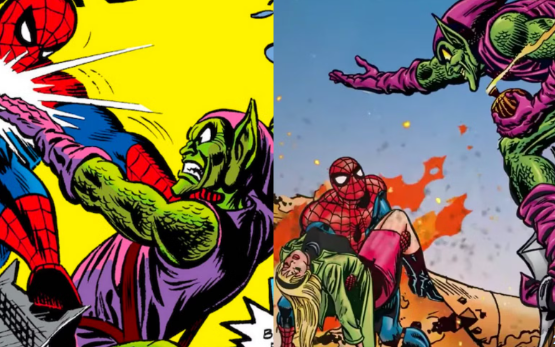
The climax of this era is the death of Gwen Stacy. When the Green Goblin throws her from a bridge, and Spider-Man’s attempt to save her leads to her demise, the timeline enters a darker, more mature phase. This event is a pillar of comic history, signaling the “end of innocence” for Peter. It teaches him that his powers are not a guarantee of safety for those he loves. The grief of this period hardens his resolve but also deepens his sense of isolation, setting the stage for the complicated romantic and professional relationships of his adult life.
3. The Alien Costume and the Symbiote Saga
Following a series of cosmic adventures far from Earth, Peter returns with a sleek, black costume that responds to his thoughts and provides an unlimited supply of webbing. For a time, the timeline is defined by this “Black Suit” era, where Spider-Man appears more formidable and aggressive. However, the discovery that the suit is actually a sentient alien symbiote—a parasite attempting to permanently bond with him—leads to a harrowing struggle for his own identity.
After Peter rejects the symbiote, it finds a new host in Eddie Brock, creating Venom. The birth of Venom is a major milestone because it introduces an antagonist who is a physical and psychological mirror of Spider-Man. This era shifts the tone toward high-stakes suspense and horror elements. The symbiote saga also expands the “Spider-Family” in a dark way, eventually leading to the birth of Carnage and other symbiotic offspring. This period is essential for understanding how Peter’s past choices and “discarded” power sets often return to haunt him in terrifying new forms.
4. The Marriage and the Weight of Adulthood
One of the most stable and beloved periods in the Spider-Man timeline is Peter Parker’s marriage to Mary Jane Watson. This era focuses on the “man” more than the “spider,” exploring the difficulties of being a superhero husband. Peter struggles with the gig economy of freelance photography, eventually finding more stable footing as a high school science teacher. This period humanizes the hero, showing him dealing with mundane stressors like rent, health insurance, and the emotional toll his injuries take on his spouse.
The marriage era provides a counter-narrative to the idea that Spider-Man must always be a tragic loner. It highlights his growth into a mature adult who can rely on a partner. However, even this stability is frequently threatened by the return of old enemies and the emergence of new threats like the hunter Kraven. This section of the timeline is crucial for fans who value character development, as it shows Peter attempting to build a legacy that exists outside of the mask, proving that his greatest strength has always been his human heart.
5. The Clone Saga: A Crisis of Identity
The timeline enters a period of profound confusion and existential dread known as the Clone Saga. During this era, Peter discovers that a former professor, the Jackal, created clones of him years prior. The emergence of Ben Reilly (the Scarlet Spider) and the villainous Kaine throws Peter’s entire history into question. For a significant portion of this era, the narrative suggests that the Peter Parker the audience has followed for years might actually be the clone, while Ben Reilly is the original.
While this era is famously complex, it is vital for the theme of identity. It explores what it means to be “Spider-Man”—is it the DNA, the memories, or the choices? Ben Reilly eventually takes over the mantle for a time, providing a different perspective on the hero before Peter eventually returns to the role. This saga expanded the “Spider” lore significantly, introducing the concept that the “Spider-Man” identity could be shared or even stolen, a precursor to the multiversal concepts that would dominate later years.
6. The Avenger: Global and Cosmic Heroism
For much of his early history, Spider-Man was a “friendly neighborhood” hero who occasionally teamed up with others. However, a major shift in the timeline occurs when he becomes a permanent member of the Avengers. This transition elevates Peter from a local vigilante to a world-class hero involved in global and even intergalactic threats. During this era, Peter works closely with figures like Tony Stark and Steve Rogers, gaining access to advanced technology like the “Iron Spider” armor.
This period is marked by a tension between his “neighborhood” roots and his “world-saving” responsibilities. The most notable event of this era is a massive “Civil War” among heroes, where Peter is forced to choose between loyalty to the law and loyalty to his friends. The choice to publicly unmask during this conflict is a seismic shift in the timeline, leading to catastrophic consequences for his personal life. This era proves that while Spider-Man may be a street-level hero at heart, his skill and character make him an indispensable part of the larger heroic community.
7. The Superior Spider-Man: A Mind-Body Swap
In one of the most radical departures in the timeline, Peter Parker’s consciousness is swapped with that of a dying Otto Octavius (Doctor Octopus). For a long period, Otto inhabits Peter’s body, determined to prove that he can be a “Superior” Spider-Man. This era is a fascinating psychological study; Otto uses brutal efficiency and high-tech surveillance to virtually eliminate crime in New York, but he lacks the empathy and moral compass that made Peter a true hero.
The “Superior” era is important because it highlights by contrast why Peter’s specific personality is essential to the mantle. While Otto is more “successful” as a crimefighter, he alienates Peter’s friends and family. This era concludes with Otto realizing that only Peter has the “will of a hero” necessary to save the city from a massive threat, leading to Otto sacrificing himself to restore Peter’s consciousness. It remains one of the most unique chapters in the timeline, reinforcing that the suit and the powers are nothing without the soul of Peter Parker.
8. The Rise of Miles Morales: A New Generation
The timeline expands significantly with the introduction of Miles Morales. Originally appearing in a parallel “Ultimate” universe where Peter Parker tragically died, Miles is a teenager of Afro-Latino descent who gains similar powers. After the collapse of the Multiverse and its subsequent restoration, Miles is integrated into the primary timeline alongside the original Peter Parker. This is a monumental shift, as it creates a “mentor-student” dynamic that never existed before.
Miles brings a fresh perspective to the mythos, dealing with different social pressures and possessing unique abilities like “venom strikes” and camouflage. His presence ensures that the legacy of Spider-Man remains youthful and relevant. The timeline now accommodates two Spider-Men working in tandem, proving that the identity is not exclusive to one person. Miles’ rise is the cornerstone of the modern era, representing the idea that “anyone can wear the mask,” a theme that resonates globally and has become the heart of the franchise’s current identity.
9. The Web of Life: Entering the Spider-Verse
The concept of the “Spider-Verse” is perhaps the most significant expansion of the timeline in recent history. Peter Parker discovers that he is part of a “Great Web” of life and destiny, a mystical and scientific nexus that connects every “Spider-Hero” across the Multiverse. This leads to a massive event where Spider-People from thousands of realities—including Spider-Gwen, Spider-Man Noir, and Peni Parker—must team up to stop the Inheritors, a group of psychic vampires who hunt “Spider-Totems.”
This era transformed Spider-Man from a New York hero into a multiversal protector. It introduced the idea of the “Spider-Totem,” suggesting that Peter’s powers might have a mystical origin beyond just a lab accident. The Spider-Verse concept allows for infinite storytelling possibilities, as writers can explore “What If” scenarios in alternate timelines. It solidified the idea that Spider-Man is a universal constant—a hero who will inevitably emerge in every reality where someone is needed to stand up for the little guy.
10. The Multiversal Nexus: A Shared Reality
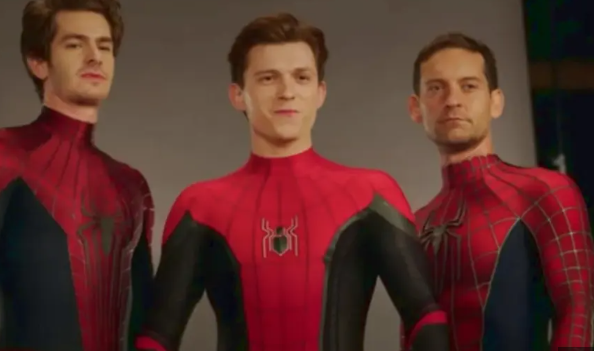
In the most current phase of the timeline, the barriers between different realities have become increasingly thin. This era is defined by the “Multiversal Nexus,” where versions of Spider-Man from different histories and even different media formats interact. Peter Parker finds himself managing a world where he is no longer the only Spider-Man, nor is he the only one with his specific set of memories. He must navigate a landscape of “variants” and alternate histories while trying to maintain his own sense of self.
This era represents the culmination of all previous chapters. It blends the street-level grit of the early days with the high-concept sci-fi of the multiverse. It emphasizes the theme of legacy; Peter is now an elder statesman of the hero community, guiding others while still dealing with his own “Parker Luck.” The timeline remains open-ended, suggesting that while Peter’s story has a clear beginning, the legend of the Spider is an eternal, self-renewing cycle that will continue to swing through the canyons of the Multiverse forever.
Further Reading
- Spider-Verse by Dan Slott and Olivier Coipel
- The Amazing Spider-Man: Life Story by Chip Zdarsky and Mark Bagley
- Spider-Man: Blue by Jeph Loeb and Tim Sale
- Ultimate Spider-Man (Vol. 1) by Brian Michael Bendis
- Spider-Man: The Clone Saga Narrative by Various Authors