
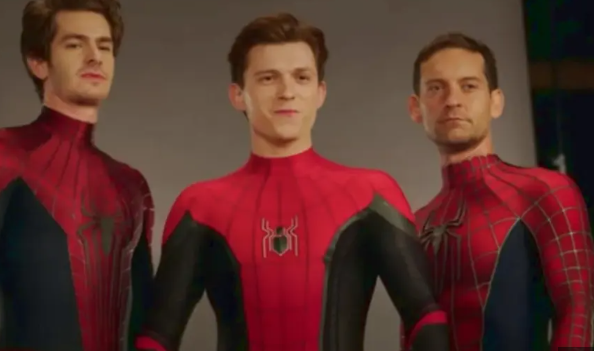
Spider-Man isn’t just a character; he’s a cinematic institution. For decades, audiences have watched various actors don the mask, each bringing a unique flavor to the “Everyman” hero from Queens. Since the wall-crawler first swung onto the big screen in a big-budget format, the superhero genre has been transformed. But with multiple reboots, animated masterpieces, and multiversal crossovers, how do these films truly stack up?
Ranking these films is like trying to organize a Sinister Six meeting: everyone has a different opinion, and things are bound to get explosive. However, by looking at thematic depth, character growth, and technical innovation, we can find a definitive order. Whether you prefer the campy charm of the early 2000s or the high-octane energy of modern multiversal adventures, this guide explores the best of the best.
1. Spider-Man 2: The Definitive Superhero Masterpiece
Widely considered the gold standard of the genre, this sequel perfectly captures the “Parker Luck.” It explores the physical and emotional toll of being a hero, as Peter Parker finds his powers fading due to his own internal crisis. The film masterfully balances personal stakes with spectacular action, most notably the iconic train sequence which remains a benchmark for practical and digital effects synergy.
The film’s strength lies in its villain, Doctor Octopus. Otto Octavius is portrayed as a tragic figure rather than a mustache-twirling caricature. His descent into villainy is fueled by loss and mechanical manipulation, providing a dark reflection of Peter’s own struggles with science and responsibility. By the time the credits roll, the film has addressed the heavy cost of altruism, making it a deeply human story that just happens to feature a man with mechanical tentacles. It is the quintessential Spider-Man story: a man choosing to do the right thing even when it costs him everything he wants.
2. Spider-Man: Into the Spider-Verse: A Visual Revolution
This animated powerhouse did more than just introduce Miles Morales to a global audience; it redefined what animation could be. By blending traditional hand-drawn techniques with cutting-edge 3D CGI, the film looks like a comic book come to life. It tackles the complex concept of the Multiverse with ease, using it as a backdrop for a poignant story about finding one’s own identity and having the “leap of faith” required to be a hero.
The inclusion of various “Spider-People”—from the noir detective to the anime-inspired Peni Parker—adds layers of humor and heart without overshadowing Miles’ journey. The soundtrack, the vibrant color palette, and the innovative frame rates create a sensory experience unlike any other in the franchise. It proves that the “Spider-Man” mantle is an ideal that anyone can live up to, regardless of their background. It isn’t just a great Spider-Man movie; it is a landmark achievement in cinema that opened the door for a new era of storytelling.
3. Spider-Man: No Way Home: The Multiversal Celebration
This film serves as a grand ambitious love letter to every fan who has ever followed the web-slinger’s journey. By bringing together villains and heroes from different cinematic eras, it creates a narrative event that feels both massive and incredibly intimate. The story centers on Peter Parker’s attempt to fix a magical mishap, leading to a profound meditation on the themes of second chances and the permanence of sacrifice.
The true magic of the film is how it handles its legacy characters. It doesn’t just use them for “fan service”; it gives them meaningful arcs that resolve years of lingering plot threads. The interaction between the different versions of Peter Parker provides a unique “group therapy” session for the character, highlighting their shared trauma and resilience. It culminates in a heartbreaking conclusion that strips Peter of everything, returning him to his roots as a lonely, neighborhood hero. It is a cinematic miracle that manages to be a blockbuster spectacle and a gut-wrenching character study simultaneously.
4. Spider-Man: Across the Spider-Verse: Expanding the Mythos
Building on the foundation of its predecessor, this sequel takes the scale to impossible heights. It explores the “Spider-Society,” a multiversal police force of Spider-Heroes, and introduces Miguel O’Hara (Spider-Man 2099) as a complex antagonist. The film moves through different universes, each with its own distinct art style—from the watercolor world of Gwen Stacy to the punk-rock aesthetic of Spider-Punk.
The narrative dives deep into the concept of “Canon Events,” questioning whether a hero’s tragedy is a fixed necessity or something that can be changed. This meta-commentary on the nature of storytelling itself makes it a sophisticated piece of art. Miles Morales is pushed to his limits as he chooses to defy destiny to save his family. The film ends on a cliffhanger that leaves audiences breathless, cementing its status as the “Empire Strikes Back” of superhero animation. It is a bold, experimental, and emotionally resonant journey that proves the Spider-Verse has infinite stories to tell.
5. Spider-Man (2002): The Pioneer of the Modern Era
This is the film that started it all for the modern superhero boom. Directed with a distinct operatic flair, it brought the origin story of Peter Parker to life with sincerity and color. From the iconic upside-down kiss to the high-flying battles with the Green Goblin, it established the visual language of the franchise. It didn’t shy away from the “nerdy” aspects of Peter’s character, making his transformation into a hero feel earned and inspiring.
While some elements may feel “retro” compared to current spectacles, the core of the film is timeless. The rivalry between Peter and Norman Osborn is perfectly executed, highlighting the “father-son” dynamic that adds a layer of tragedy to their conflict. It captured the spirit of the 1960s comics while updating them for a new generation. It reminded the world that superheroes could be taken seriously as cinema while still being fun, colorful, and full of heart. Without this film’s success, the landscape of modern entertainment would look vastly different.
6. Spider-Man: Homecoming: The High School Reboot
After several films focusing on the weight of the world, this entry brought the character back to his “friendly neighborhood” roots. It reimagines Peter Parker as a genuine teenager dealing with the pressures of homecoming dances, decathlon practice, and an overeager desire to join the Avengers. By skipping the origin story and jumping straight into the action, it feels fresh and energetic.
The standout element is the Vulture, played with a blue-collar grit that makes him one of the most relatable villains in the series. The “twist” involving his identity remains one of the most effective tension-building moments in superhero cinema. The film emphasizes that Peter is still a “kid in a suit,” making his mistakes and eventual growth feel authentic. It’s a coming-of-age story wrapped in a superhero costume, focusing on the idea that you don’t need a billion-dollar suit to be a hero—you just need the heart to stand up for what’s right.
7. The Amazing Spider-Man: A Gritty Modern Reimagining
This reboot sought to tell the “untold story” of Peter Parker’s parents while leaning into a more contemporary, moody aesthetic. It features a Peter who is more of a brooding loner and a brilliant tinkerer, emphasizing his scientific mind. The chemistry between Peter and Gwen Stacy is the undeniable heart of the film, providing a romantic arc that feels natural, witty, and ultimately tragic.
The use of the Lizard as the primary antagonist allows for a exploration of biological science and the pursuit of “perfection” gone wrong. While it retreads some familiar ground regarding the origin, it adds new layers to the “Spider-Sense” and the mechanics of the web-shooters. The cinematography is sleek and the action is kinetic, offering a different take on how Spider-Man moves through an urban environment. It serves as a reminder that the character is versatile enough to inhabit different tones, from the bright and hopeful to the dark and introspective.
8. Spider-Man: Far From Home: The Global Adventure
Taking Peter Parker out of New York City was a bold move that paid off by forcing the hero to adapt to new environments. Set during a school trip to Europe, the film deals with the aftermath of a world-changing event and Peter’s struggle to fill the shoes of his mentor. It introduces Mysterio, a master of illusion who challenges Peter’s perception of reality in a series of mind-bending sequences.
The film explores the theme of “truth” in the modern age, showing how easily the public can be manipulated by a charismatic liar. The action sequences in Venice, Prague, and London are spectacular, but the film never loses sight of the teenage romance between Peter and MJ. It balances high-stakes espionage with the awkwardness of young love, culminating in a shocking mid-credits reveal that fundamentally changes the trajectory of Peter’s life. It is a fun, fast-paced adventure that proves Spider-Man can be a “World Traveler” while still being a kid from Queens.
9. Spider-Man 3: The Ambitious Finale
While often criticized for having “too many villains,” this conclusion to the original trilogy is a fascinating exploration of pride and forgiveness. It introduces the alien symbiote, which brings out Peter’s “dark side,” leading to moments that are both meme-worthy and genuinely uncomfortable. The film’s true strength, however, is the character of Sandman, whose tragic motivation to save his daughter provides the emotional anchor for the story.
The film serves as a meditation on the choice to be good. It forces Peter to confront his own vengefulness and realize that even he is capable of darkness. The final battle, involving a redeemed Harry Osborn, offers a sense of closure to the trilogy’s overarching themes of friendship and family. Despite its crowded narrative, the film contains some of the most impressive set-pieces of its era and a heartfelt message about the power of mercy. It is a flawed but deeply earnest end to a legendary cinematic run.
10. The Amazing Spider-Man 2: A Visual and Emotional Spectacle
This film is often remembered for its bold visual style and its willingness to tackle one of the most tragic moments in comic history. The depiction of Spider-Man’s movements is perhaps the most accurate to the source material, with fluid, acrobatic swinging that feels truly superhuman. The focus remains on the relationship between Peter and Gwen, which reaches a heartbreaking crescendo that changes Peter forever.
While the subplots involving Electro and the Green Goblin are hit-or-miss for some, the film’s emotional core is undeniable. It portrays the heavy burden of being a hero and the devastating impact of loss. The opening sequence and the final confrontation are visual triumphs, utilizing color and light to create a comic-book aesthetic. It is a film of high highs and low lows, but its commitment to the central romance and its stunning technical execution make it an essential, if polarizing, part of the web-slinger’s history.
Further Reading
- Spider-Man: Confessions of a Blockbuster by Various Authors (Behind-the-scenes history)
- The Stan Lee Universe by Danny Fingeroth and Roy Thomas
- Spider-Man: The Visual Guide by DK Publishing
- Marvel Comics: The Untold Story by Sean Howe



