
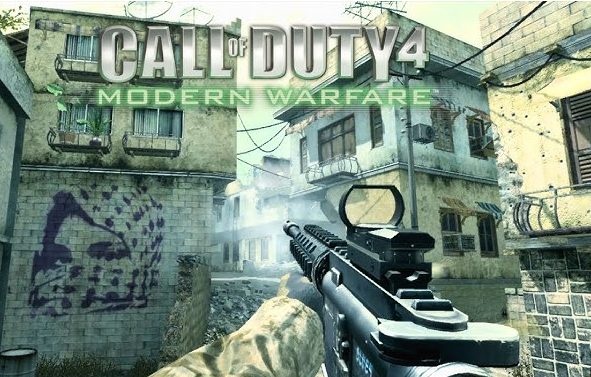
Shock and Awe: 10 Ways Call of Duty 4: Modern Warfare Redefined the Action Genre
The landscape of interactive entertainment is often divided into two distinct eras: before and after the release of the first modern-themed Call of Duty. In the mid-2000s, the market was saturated with historical shooters that focused heavily on the events of the mid-20th century. While these games were technically impressive, a sense of fatigue had begun to settle over the audience. Then, a game arrived that traded bolt-action rifles for laser sights and muddy trenches for high-tech urban warfare. It didn’t just change the setting; it changed the very DNA of how stories are told and how communities are built in the digital space.
Call of Duty 4: Modern Warfare was a gamble that paid off in ways the developers at Infinity Ward could have scarcely imagined. It was a visceral, cinematic experience that blurred the lines between a high-budget action movie and a tactical simulation. From its haunting narrative choices to a multiplayer progression system that became the industry standard, this title is the foundation upon which a massive entertainment empire was built. To understand the history of the “First-Person Shooter” (FPS), one must look at the specific innovations and secrets that made this 2007 masterpiece an evergreen legend.
1. Breaking the “World War II” Mold
For years, the Call of Duty franchise was synonymous with the European and Pacific theaters of World War II. The decision to move the series into a contemporary setting was met with significant internal resistance. Many industry experts believed that the audience wasn’t ready for a “modern” war game, fearing it might feel too political or lose the “heroic” luster of historical combat. The developers, however, were adamant that they had told every story possible within the confines of the 1940s.
By shifting the focus to a fictionalized yet grounded global conflict involving ultranationalists and nuclear threats, the game tapped into a new kind of tension. It replaced the “Greatest Generation” sentimentality with a gritty, high-stakes atmosphere that felt uncomfortably relevant. This transition allowed for new gameplay mechanics, such as night-vision goggles, air support, and sophisticated weaponry, which fundamentally altered the pacing of the game. It was no longer just about the “line of fire”; it was about the technology of the kill.
2. “All Ghillied Up”: A Masterclass in Tension
If you ask any enthusiast about their most memorable moment in gaming, “All Ghillied Up” is almost guaranteed to be mentioned. This mission, which takes players into the ghost city of Pripyat near Chernobyl, is a masterclass in level design and atmospheric storytelling. Eschewing the typical “run and gun” approach, it forced players to crawl through tall grass, inches away from enemy patrols, wearing camouflaged “ghillie” suits.
The brilliance of this mission lies in its restraint. For much of the level, the player is instructed not to shoot. It creates a sense of vulnerability that is rare in high-octane action games. The sound of the Geiger counter ticking, the haunting sight of the abandoned Ferris wheel, and the whispered instructions from Captain MacMillan created a cinematic experience that felt like a high-stakes thriller. This mission proved that an action game could be just as effective in its quiet moments as it was during an explosion, setting a new bar for scripted single-player content.
3. The Nuclear Gamble and Narrative Bravery
One of the most shocking moments in gaming history occurs midway through the campaign: the nuclear explosion. In a genre where the hero usually saves the day at the last second, Modern Warfare did the unthinkable. It forced the player to witness the detonation of a nuclear device and, in the aftermath, control a dying soldier as he crawls through the ruins of a city. This was a radical departure from the “invincible hero” trope.
This sequence served a vital narrative purpose. It established that the stakes were real and that no one was safe. It wasn’t just a cutscene; it was a playable moment of pure, hopeless tragedy. By making the player feel powerless, the game created a deep emotional investment in the remaining characters’ quest for justice. This narrative bravery influenced a decade of storytelling, encouraging developers to move away from black-and-white morality and toward the “shades of grey” that define modern conflict.
4. The Birth of the “Perk” and Progression Loop
While the single-player campaign was a critical darling, the multiplayer component was what truly conquered the world. Modern Warfare introduced a progression system that essentially “gamified” the act of playing. By earning experience points (XP) to unlock new weapons, attachments, and “Perks,” the game created a dopamine loop that was nearly impossible to put down. This was the first time an FPS successfully integrated RPG-like elements into a competitive environment.
The “Perk” system—allowing players to customize their soldier with abilities like “Juggernaut” for more health or “Martyrdom” to drop a grenade upon death—added a layer of strategy that didn’t exist in the “arena shooters” of the past. It allowed players to define their own playstyle. Whether you wanted to be a stealthy sniper or a loud, aggressive breacher, the game gave you the tools to specialize. This “create-a-class” system became the blueprint for almost every competitive multiplayer game that followed.
5. The “Prestige” System: The Ultimate Status Symbol
How do you keep players engaged once they’ve unlocked everything? The developers answered this with the “Prestige” system. Upon reaching the maximum level, players were given a choice: stay at the top with all their gear, or “Prestige”—resetting all their progress to zero in exchange for a unique icon next to their name. It was a brilliant psychological trick that turned the grind itself into a badge of honor.
The Prestige system tapped into the competitive nature of the community. Seeing a high-level Prestige icon in a lobby sent a clear message: “I have put in the hours.” It created a long-term goal that extended the life of the game for years. For many, the journey to “Tenth Prestige” was a rite of passage. This system essentially invented the modern “Live Service” engagement model long before the term was even coined, ensuring that the servers remained populated around the clock.
6. The Legend of Captain Price and His Mustache
Every great story needs an anchor, and for this franchise, that anchor is Captain Price. With his boonie hat, dry wit, and legendary facial hair, Price became the face of the series. Interestingly, the character is a spiritual successor to a Captain Price character from the earlier World War II games, suggesting a lineage of “Price” soldiers across history.
In Modern Warfare, Price serves as the player’s mentor and moral compass. He isn’t just a commander giving orders; he is in the trenches with you, smoking a cigar in the middle of a war zone and delivering lines that became instant classics. His relationship with the protagonist, “Soap” MacTavish, provides the emotional core of the trilogy. Price represented a specific type of “British SAS” coolness—professional, lethal, yet possessing a hidden layer of empathy for his men. He remains one of the most recognizable and beloved characters in the history of the medium.
7. Killstreaks: Rewarding the Momentum
Before Modern Warfare, if you were playing well, your only reward was a higher score. This title introduced “Killstreaks,” a mechanic that rewarded players with powerful tools for staying alive and racking up consecutive kills. Getting three kills earned a UAV (radar), five kills earned an Airstrike, and seven kills earned the dreaded Attack Helicopter.
This mechanic added a “game within a game.” It created moments of high tension where a player might play more cautiously just to secure that final kill for an Airstrike. While later entries in the series would expand this to include more extravagant rewards, the simplicity of the original three-five-seven system was perfectly balanced. It gave players a sense of escalating power and turned a good match into a spectacular one. It also forced the opposing team to adapt, creating a dynamic flow to every battle.
8. Revolutionary Audio and the “Hitmarker” Sound
One of the most subtle yet impactful features of the game was its sound design. The team at Infinity Ward spent a massive amount of time recording real weapons to ensure that every gunshot felt heavy and authentic. However, the most “evergreen” sound they created was the “hitmarker”—the subtle thud or click sound that plays when a bullet strikes an opponent.
This auditory feedback is a key component of the game’s “gameplay feel.” It provides instant gratification and confirmation of success. In the chaos of a multiplayer match, that sound tells the player’s brain exactly what is happening without them having to look at a health bar. Along with the iconic “Level Up” guitar riff, the audio design of the game was tailored to trigger positive reinforcement. It’s a masterclass in “UI through audio,” making the act of shooting feel more tactile and satisfying than any game that had come before.
9. Defining the “Console” Shooter Experience
For a long time, high-precision first-person shooters were considered the exclusive domain of PC gaming due to the accuracy of a mouse and keyboard. Modern Warfare was the title that truly bridged the gap, proving that an FPS could feel just as “snappy” and competitive on a console controller. This was achieved through a sophisticated “Aim Assist” system and a rock-solid 60-frames-per-second (FPS) performance.
While 60 FPS is common now, it was a technical marvel for consoles at the time, especially considering the level of visual detail on screen. The smooth frame rate made the controls feel incredibly responsive, allowing for the “twitch-based” gameplay that the series is known for. This technical achievement opened the floodgates for the “console esport” scene, turning a hobby that was once confined to home offices into a social experience that happened on the living room sofa.
10. The Legacy of the “Variety” Map Pack
The post-launch support for the game set the standard for how developers would handle additional content. The “Variety Map Pack” introduced legendary maps like “Broadcast” and “Chinatown,” expanding the life of the game and keeping the community together. This was the beginning of the “map pack era,” where the release of new environments became a major cultural event for players.
The design of the maps in the original game—such as “Crash,” “Crossfire,” and “Shipment”—is still studied by level designers today. They utilized a “three-lane” structure that ensured consistent action while providing “power positions” for snipers and flanking routes for aggressive players. The fact that these maps are still being reimagined and played in various forms decades later is a testament to their perfect balance. They weren’t just levels; they were digital arenas that facilitated millions of personal stories and rivalries.
Further Reading
- The History of First-Person Shooters by Logan J. DeAngelis
- Level Up! The Guide to Great Video Game Design by Scott Rogers
- Blood, Sweat, and Pixels: The Triumphant, Turbulent Stories Behind How Video Games Are Made by Jason Schreier
- The Art of Call of Duty: Modern Warfare by Various Artists (Infinity Ward)



