
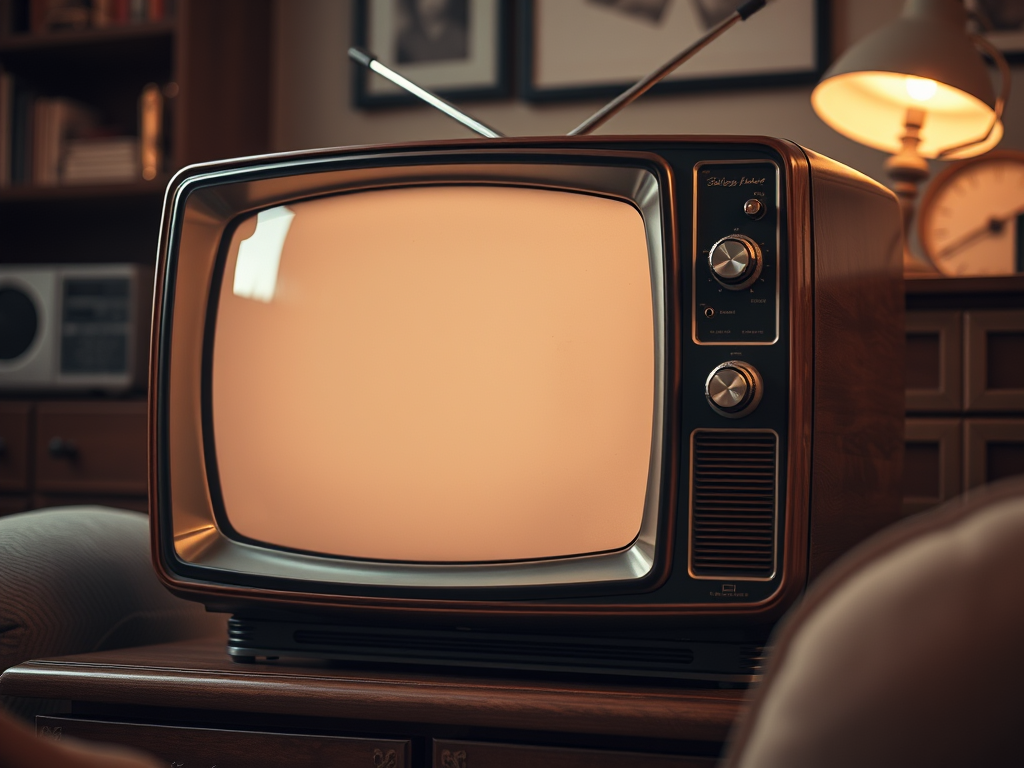
The “Golden Age of Television” is a phrase that conjures images of a nascent medium finding its voice, a time when the flickering black-and-white screen in living rooms across America became a window to a rapidly evolving world. While there’s a more recent “new Golden Age” of television often cited, particularly from the late 1990s onward with the rise of complex, cinematic dramas, the original Golden Age refers to the foundational period from the late 1940s through the early 1960s. This era was characterized by a bold spirit of experimentation, live broadcasts, and the emergence of genres and formats that still shape television today. It was a time when television transitioned from a curious novelty to a ubiquitous household fixture, profoundly impacting American culture, entertainment, and even news dissemination.
The shows of this era, whether live anthology dramas, groundbreaking sitcoms, or innovative variety shows, served as a communal hearth around which families gathered. They not only entertained but also reflected and shaped societal values, offered glimpses into different ways of life, and showcased the immense potential of this new form of mass communication. These early programs established the very grammar of television storytelling, pioneering techniques that became standard and launching careers that would define entertainment for decades. From the meticulous crafting of comedic timing to the gripping intensity of live drama, the Golden Age laid the essential groundwork for everything that followed. Understanding this period is crucial for anyone seeking to grasp the evolution of television and its enduring influence on our daily lives.
This article delves into ten iconic shows that were not just popular, but truly defined the original Golden Age of Television, showcasing its innovative spirit, diverse programming, and lasting legacy.
1. I Love Lucy: The Blueprint for Sitcom Success
I Love Lucy, starring the incomparable Lucille Ball and Desi Arnaz, wasn’t just a hit; it was a revolution. Airing from 1951 to 1957, this groundbreaking sitcom pioneered many techniques still used in multi-camera comedies today. Before I Love Lucy, most television shows were broadcast live, often leading to errors and limited visual flexibility. However, Desilu Productions, Ball and Arnaz’s company, insisted on filming with multiple cameras in front of a live studio audience, creating a more cinematic and polished product that could be rerun with high quality. This innovation allowed the show to be syndicated globally for decades, cementing its status as an evergreen comedy classic. The series, which followed the hilarious antics of Lucy Ricardo, a zany housewife, and her bandleader husband Ricky, expertly blended physical comedy with relatable domestic situations. Its success proved that filmed television shows could be highly profitable and enduring, paving the way for countless future sitcoms and defining the very structure of the television comedy genre. The show’s influence on television production and distribution is undeniable, making it a cornerstone of television history.
2. The Twilight Zone: Exploring Humanity’s Darker Corners
Rod Serling’s The Twilight Zone, which ran from 1959 to 1964, transcended mere science fiction and fantasy; it was a profound exploration of the human condition, moral dilemmas, and societal anxieties. Each self-contained episode presented a unique, often unsettling, tale with a twist ending, forcing viewers to confront their preconceptions and ponder deeper truths. Serling, known for his incisive writing, used the speculative nature of the show as a thinly veiled allegory for contemporary issues, tackling themes like prejudice, war, and the fear of the unknown without overtly political statements that might have drawn censorship. The show’s innovative storytelling, atmospheric visuals, and often chilling narratives cemented its place as a classic. The Twilight Zone wasn’t just entertaining; it was thought-provoking television, challenging audiences to look beyond the surface and consider the philosophical implications of its fantastical scenarios. Its anthology format allowed for immense creative freedom, attracting top-tier writers and actors and demonstrating television’s potential for serious, impactful drama.
3. The Honeymooners: Raw, Relatable Working-Class Life
Running for just one classic season (1955-1956) as a standalone series after evolving from earlier sketches, The Honeymooners stands as a monumental achievement in television comedy. Starring Jackie Gleason as the loud-mouthed bus driver Ralph Kramden and Audrey Meadows as his long-suffering but sharp-witted wife Alice, the show offered a stark, yet hilarious, portrayal of working-class life in Brooklyn. Unlike the often idyllic families seen on television at the time, the Kramdens’ struggles with money, ambition, and marital squabbles felt incredibly real and relatable. The show’s humor stemmed from Ralph’s bluster and schemes, constantly undermined by Alice’s pragmatic realism. Its tight scripts, masterful comedic timing, and iconic catchphrases (“To the moon, Alice!”) made it an enduring classic. The Honeymooners proved that television could capture the everyday realities of ordinary people, finding humor and humanity in their struggles. Its gritty authenticity and focus on character-driven comedy set a high bar for future sitcoms exploring relatable themes of working-class life.
4. Playhouse 90: The Pinnacle of Live Anthology Drama
Playhouse 90, which aired from 1956 to 1961, represented the zenith of live anthology drama during television’s Golden Age. This ambitious series presented a new, hour-and-a-half-long dramatic play each week, often tackling complex, mature themes that were rarely seen on network television. With its extended format, Playhouse 90 allowed writers and directors to develop characters and narratives with a depth usually reserved for feature films or Broadway productions. It attracted acclaimed writers like Rod Serling and Reginald Rose, and showcased phenomenal acting talent, often performed live with minimal retakes. The show was a daring experiment in broadcast television, demonstrating the medium’s capacity for high art and serious storytelling. While the challenges of live production were immense, the immediacy and raw energy of Playhouse 90 captivated audiences and proved that television could be a powerful stage for compelling, thought-provoking drama. Its legacy lies in its bold artistic ambition and its role in fostering a generation of top-tier television talent.
5. The Ed Sullivan Show: The Ultimate Variety Showcase
For over two decades, from 1948 to 1971, The Ed Sullivan Show (originally Toast of the Town) was a Sunday night ritual for millions of American families. Hosted by the somewhat awkward but universally respected Ed Sullivan, this variety show was a cultural melting pot, showcasing an incredible array of talent from across the globe and every imaginable genre. From rock and roll legends like Elvis Presley and The Beatles to opera singers, comedians, acrobats, plate spinners, and even puppet acts, Sullivan brought diverse performances directly into American living rooms. The show was a significant platform for breaking new artists and exposing audiences to different forms of entertainment, playing a crucial role in shaping popular culture. Its sheer longevity and consistent ability to capture the zeitgeist made it more than just a television show; it was a cultural institution, a live snapshot of America’s evolving entertainment landscape, and a testament to the broad appeal of variety programming during the Golden Age of Television.
6. Gunsmoke: Defining the Television Western
Gunsmoke rode onto the television screens in 1955 and became one of the longest-running and most successful dramatic series in American television history, lasting for 20 seasons. Set in Dodge City, Kansas, in the 1870s, the show followed the adventures of U.S. Marshal Matt Dillon (James Arness) as he maintained law and order in a rugged frontier town. Unlike many earlier, more simplistic Westerns, Gunsmoke often explored complex moral dilemmas, character development, and the harsh realities of life in the Old West. It transitioned from its initial live half-hour format to a filmed hour-long drama, showcasing the evolving production capabilities of the era. The series transcended typical genre conventions, offering nuanced portrayals of heroism and villainy, and exploring themes of justice, survival, and community. Gunsmoke not only popularized the Western genre on television but also elevated its narrative sophistication, influencing countless subsequent dramas by proving that even genre shows could offer deep, meaningful storytelling to a mass audience.
7. See It Now: Pioneering Broadcast Journalism
Edward R. Murrow’s See It Now, which aired from 1951 to 1958, was a seminal program that defined the standards of broadcast journalism during television’s Golden Age. Building on Murrow’s reputation from radio, the show used the nascent power of television to bring current events and investigative reports directly into American homes with unprecedented immediacy and visual impact. Most famously, See It Now played a pivotal role in exposing the McCarthy era’s excesses, using Murrow’s calm, authoritative voice and compelling footage to challenge Senator Joseph McCarthy’s divisive tactics. The program’s unwavering commitment to factual reporting, in-depth analysis, and fearless confrontation of societal issues set a benchmark for journalistic integrity on television. It demonstrated that television was not merely for entertainment but could serve as a vital tool for public information, debate, and holding power accountable, laying the foundation for serious documentary and news programming for decades to come.
8. The Jack Benny Program: Master of Self-Deprecating Humor
The Jack Benny Program, which made a highly successful transition from radio to television in 1950 and ran until 1965, was a masterclass in comedic timing and character-driven humor. Jack Benny, a radio star known for his penny-pinching persona, his terrible violin playing, and his exasperated pauses, translated his unique brand of self-deprecating comedy seamlessly to the visual medium. The show revolved around Benny’s fictionalized life, featuring a consistent cast of supporting characters like his valet Rochester, vocalist Dennis Day, and announcer Don Wilson, whose interactions amplified the humor. Benny’s genius lay in his ability to draw laughs not just from punchlines, but from awkward silences, subtle facial expressions, and the audience’s familiarity with his miserly character. The Jack Benny Program demonstrated the power of consistent characterization and sophisticated, understated humor on television, proving that comedy didn’t always need slapstick to be effective. Its influence on comedic pacing and the development of recurring character tropes is still evident in sitcoms today.
9. The Phil Silvers Show (Sgt. Bilko): A Blueprint for Military Comedies
Also known as Sgt. Bilko, The Phil Silvers Show (1955-1959) was a sharp, fast-paced military comedy that showcased the comedic genius of Phil Silvers as Master Sergeant Ernest G. Bilko. Bilko, a conniving but ultimately charming con artist, perpetually schemes to get rich quick or avoid work while stationed at Fort Baxter, Kansas. The show’s brilliance lay in its witty dialogue, ingenious plots, and Silvers’ energetic performance. It masterfully blended situational comedy with character-driven humor, influencing countless military-themed comedies that followed. Beyond the laughs, the series subtly satirized bureaucracy and human foibles within a structured environment. The Phil Silvers Show was a critical and commercial success, earning multiple Emmy Awards and demonstrating television’s ability to produce sophisticated, character-centric comedies that could maintain consistent quality. Its innovative writing and the iconic character of Bilko remain influential, serving as a template for ensemble comedies and showcasing how a single charismatic lead could elevate a show to classic status.
10. Maverick: The Anti-Hero Western
Maverick, airing from 1957 to 1962, redefined the Western genre by introducing an unconventional protagonist: Bret Maverick (James Garner), a charming, witty, and often cowardly professional gambler who preferred to use his brains rather than his fists to get out of trouble. In an era dominated by square-jawed, heroic cowboys, Maverick was a refreshing anti-hero, often avoiding gunfights, conning his way through situations, and always looking out for number one. The show’s clever writing, self-aware humor, and Garner’s charismatic performance broke new ground, paving the way for more complex and morally ambiguous characters in television. Maverick was groundbreaking for its meta-commentary on Western tropes and its willingness to poke fun at the genre’s conventions, introducing an ironic sensibility that would become more common in later decades. It proved that audiences were ready for heroes who weren’t always heroic and for narratives that challenged established norms, making it a pivotal series in the evolution of television storytelling.
The original Golden Age of Television was a period of immense creativity and foundational development. These ten shows, each in their own way, pushed the boundaries of what television could be, establishing genres, innovating production techniques, and captivating audiences. Their legacy continues to influence the shows we watch today, proving that the early flicker of the black-and-white screen truly sparked a golden era of entertainment and storytelling.
Further Reading
- Tube of Plenty: The Evolution of American Television by Erik Barnouw
- The Golden Age of Television: A History of Television, 1948-1960 by Jeff Kisseloff
- Live Television Drama, 1946-1951 by William Hawes
- Prime Time: The Live TV Golden Age 1946-1958 by Robert Sklar
- The Wonderful World of TV: The Golden Age of American Television by Ken Bloom
Here at Zentara.blog, our mission is to take those tricky subjects and unlock them, making knowledge exciting and easy to grasp for everyone. But the adventure doesn’t stop on this page! We’re constantly exploring new frontiers and sharing discoveries across the digital universe. Want to dive deeper into more mind-bending Top 10s and keep expanding your world? Come join us on our other platforms – we’ve got unique experiences waiting for you on each one!
Get inspired by visual wonders and bite-sized facts: See the world through Zentara’s eyes on Pinterest!
Pin our fascinating facts and stunning visuals to your own boards. Explore Pins on Pinterest: https://uk.pinterest.com/zentarablog/
Discover quick insights and behind-the-scenes peeks: Hop over to Tumblr for snippets, quotes, and unique content you won’t find anywhere else. It’s a different flavour of discovery! Follow the Fun on Tumblr: https://www.tumblr.com/zentarablog
Ready for deep dives you can listen to or watch? We’re bringing our accessible approach to video and potentially audio! Subscribe to our YouTube channel and tune into future projects that make learning pop! Subscribe on YouTube: https://www.youtube.com/@ZentaraUK
Seeking even more knowledge in one place? We’ve compiled some of our most popular topic deep dives into fantastic ebooks! Find them on Amazon and keep the learning journey going anytime, anywhere. Find Our Ebooks on Amazon: https://www.amazon.co.uk/s?k=Zentara+UK&ref=nb_sb_noss
Connect with us and fellow knowledge seekers: Join the conversation on BlueSky! We’re sharing updates, thoughts, and maybe even asking you what wonders we should explore next. Chat with Us on BlueSky: https://bsky.app/profile/zentarablog.bsky.social
Perfect for learning on the move! We post multiple 10-minute podcasts per day on Spotify. Pop on your headphones and fill your day with fascinating facts while you’re out and about! Listen on Spotify: https://open.spotify.com/show/3dmHbKeDufRx95xPYIqKhJFollow us on Instagram for bytesize knowledge! We post multiple posts per day on our official Instagram account. https://www.instagram.com/zentarablog/ Every click helps us keep bringing honest, accessible knowledge to everyone. Thanks for exploring with us today – see you out there in the world of discovery!




Leave a Reply