
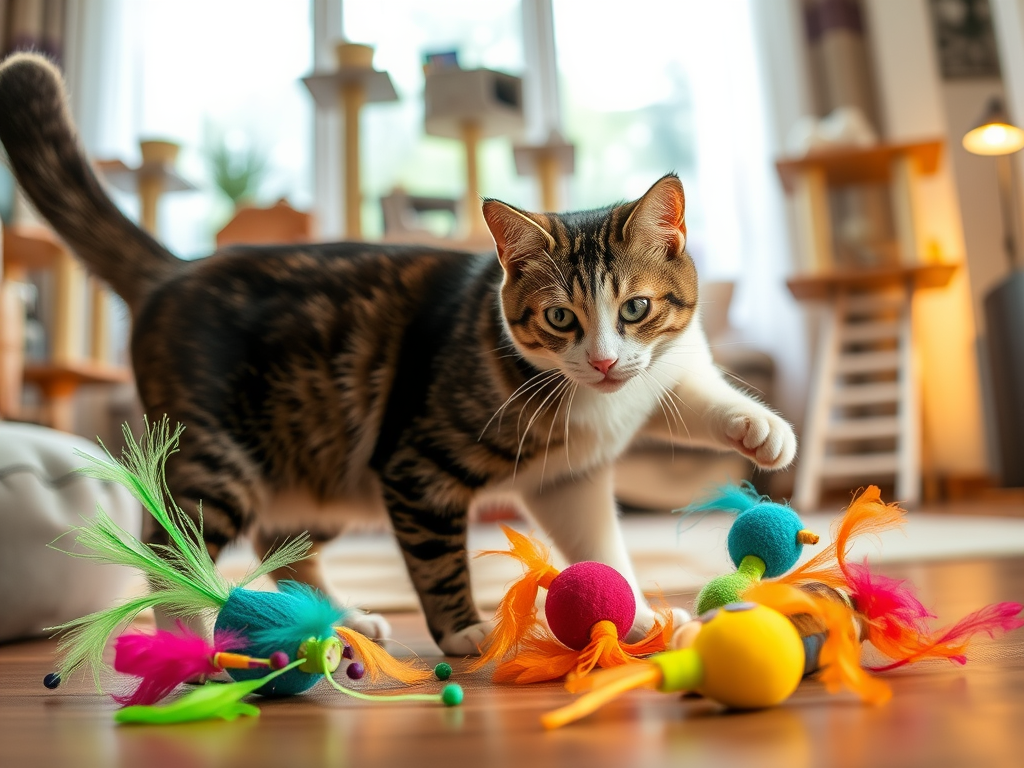
Choosing to keep a cat indoors is a responsible decision made by millions of loving pet owners. It protects them from the dangers of traffic, predators, and diseases, significantly extending their lifespan. However, this safe sanctuary can easily become a gilded cage if their environment isn’t rich with stimulation. A cat’s mind and body are honed by millennia of evolution to be the perfect predator: agile, curious, and keenly aware of its surroundings. When deprived of the challenges of the outdoors, they can develop a range of behavioural issues stemming from boredom and anxiety, such as over-grooming, destructive scratching, or lethargy.
Ensuring your indoor cat is happy is about more than just providing food, water, and a clean litter box. It’s about honouring their innate instincts and creating a world within your walls that allows them to hunt, climb, explore, and play. Think of yourself as the architect of their personal ecosystem, a designer of feline enrichment. This guide will walk you through ten fundamental, evergreen strategies to transform your home into a stimulating haven where your indoor cat can not just live, but truly thrive.
1. Create a Vertical World: The Importance of Climbing and Perching
In the wild, vertical space is a cornerstone of a cat’s territory. It offers safety from ground-level threats and provides a superior vantage point for surveying their domain and spotting potential prey. Your living room is no different. An indoor cat without opportunities to climb is like a bird without the sky; they are missing a fundamental dimension of their natural world. Providing vertical spaces is one of the most effective ways to increase your cat’s usable territory without adding a single square foot to your home.
Investing in a sturdy, multi-level cat tree or “cat condo” is an excellent start. Look for one with various platforms, scratching surfaces, and perhaps a cozy hideaway. You can also install cat shelves or perches along walls, creating a “cat superhighway” that allows them to navigate a room without ever touching the floor. A window perch is particularly valuable, offering what many call “kitty TV” – a safe and stimulating view of birds, squirrels, and the world passing by. By giving your cat the gift of height, you are directly catering to their instinct for security and control, dramatically reducing stress and boosting their confidence.
2. Master the Art of Interactive Play: Simulating the Hunt
A bored cat is often a mischievous cat. The most crucial form of enrichment you can provide is interactive playtime that simulates the hunt. A simple laser pointer, while fun, can lead to frustration as there’s no physical prey to catch. The best toys are those that mimic the movements of birds or rodents. A wand toy with feathers or a fabric mouse at the end is the gold standard for interactive play.
Engage your cat in one or two 15-minute play sessions each day, ideally around dawn and dusk when they are naturally most active. Make the toy skitter across the floor, hide behind furniture, and flutter through the air. The key is to mimic the erratic, unpredictable movements of prey. Crucially, always let your cat “catch” the toy at the end of the session. This provides the satisfaction of a successful hunt, a vital part of the predatory sequence. After the “kill,” reward them with a small, high-value treat. This ritual of hunt, catch, kill, eat, groom, and sleep is deeply ingrained and profoundly satisfying for your feline friend, preventing boredom and strengthening your bond.
3. Turn Mealtime into a Challenge: The Power of Food Puzzles
In nature, cats work for their food. A bowl of kibble, served at the same time and place every day, removes this mental and physical challenge entirely. This is where food puzzles and puzzle feeders come in. These devices require your cat to bat, roll, nudge, or slide pieces to release their food. This simple change transforms feeding time from a passive activity into an engaging problem-solving exercise.
Food puzzles cater to a cat’s natural instinct to forage and hunt. They slow down fast eaters, which can aid in digestion and weight management, and provide a significant source of mental stimulation. There is a wide variety of puzzle feeders available, from simple balls that dispense kibble to more complex, multi-step puzzles. You can even create DIY puzzles using cardboard boxes or plastic bottles. By making your cat work for their dinner, you are providing a healthy outlet for their intelligence and preventing the lethargy that can come from a life of free meals.
4. Provide a “Scentsory” Experience: Engaging the Feline Nose
A cat’s sense of smell is far more powerful than our own and plays a huge role in how they perceive their environment. While your home may smell familiar and safe, it can also become olfactorily stale. You can enrich their world by safely introducing new and interesting scents. Catnip and silver vine are classic examples that can induce a state of playful euphoria in many cats.
Consider bringing safe elements of the outdoors in. A sturdy log (baked at a low temperature to kill any pests), a handful of leaves, or a pot of cat-safe grass (like oat or wheatgrass) provides a wealth of new smells and textures to explore. You can also rotate toys, storing some away for a few weeks before reintroducing them. When they reappear, they will seem novel and exciting again. This simple act of “scent enrichment” adds layers of complexity to their environment, keeping their powerful noses and curious minds engaged day after day.
5. The Magic of a Cardboard Box: Simple, Effective Hiding Spots
Never underestimate the joy a simple cardboard box can bring to a cat. To a feline, a box is not just a box; it’s a secure hideout, an ambush point, a perfect place for a nap. This love of enclosed spaces stems from their predatory nature. A box with four walls and a small opening provides a sense of security and a perfect vantage point from which to observe the world without being seen.
Providing a steady supply of hiding spots is essential for a cat’s well-being. It gives them a safe retreat when they feel stressed, anxious, or simply want some alone time. In addition to cardboard boxes, consider cat tunnels, cubes, or even leaving a closet door ajar. In a multi-cat household, an abundance of hiding spots can help reduce conflict by allowing cats to avoid each other when needed. It’s a simple, inexpensive, and incredibly effective way to reduce stress and cater to their instinctual need for a secure den.
6. Offer a Room with a View: The Allure of Window Watching
For an indoor cat, a window is a portal to a world of endless entertainment. The sight of a bird landing on a branch, a squirrel scampering up a tree, or leaves rustling in the wind provides hours of passive stimulation. This “kitty TV” is a vital connection to the outdoors, keeping their minds active and engaged. Ensure your cat has easy and comfortable access to several windows in your home.
A sturdy window perch or a strategically placed cat tree can make window gazing a much more comfortable experience. You can enhance the view by placing a bird feeder or birdbath within sight of the window. This will attract a cast of feathered characters, providing a dynamic and ever-changing show. This simple act of providing visual enrichment can significantly combat boredom and prevent the lethargy that can set in when a cat’s world feels too small and unchanging.
7. Clicker Training for Cats: Unlocking Their Intelligence
It’s a common misconception that cats can’t be trained. In reality, they are highly intelligent animals that often enjoy the mental challenge of learning new things. Clicker training is a positive reinforcement method that can be used to teach cats a variety of fun tricks, from giving a “high five” to coming when called. It’s a fantastic way to provide mental stimulation and strengthen the bond you share.
The process is simple: you use a small device that makes a “click” sound the moment the cat performs the desired behaviour, immediately followed by a treat. The cat quickly learns to associate the click with a reward and the behaviour that caused it. Training sessions should be short, fun, and positive, ending before your cat gets bored. This focused interaction is a powerful form of enrichment that builds confidence and provides a productive outlet for their clever minds.
8. Keep Things Fresh: The Importance of Novelty and Rotation
Imagine living in a house where the furniture was never moved and you were given the same book to read every single day. You’d quickly become bored. Cats are no different. They are neophilic, meaning they are attracted to new things. To keep your cat’s environment stimulating, it’s important to introduce novelty on a regular basis.
This doesn’t mean you need to constantly buy new things. The simple act of rotating their toys can make old ones seem new again. Keep a stash of toys hidden away and swap them out every week or so. Periodically rearrange a room (while keeping key resources like the litter box and food in the same place) or simply leave a paper bag (handles removed) or a cardboard box on the floor for them to explore. These small, simple changes prevent environmental stagnation and keep your cat’s curious mind actively engaged in exploring their territory.
9. Consider a Feline Friend: The Pros and Cons of a Second Cat
For some cats, particularly young and energetic ones, the ultimate form of enrichment can be a feline companion. A well-matched friend can provide hours of entertainment through play, mutual grooming, and companionship, especially when you are out of the house. They can chase, wrestle, and communicate in ways that humans simply cannot replicate, fulfilling important social needs.
However, this is not a decision to be taken lightly. Cats are territorial, and a poor introduction can lead to a lifetime of stress and conflict. It’s crucial to consider your current cat’s personality. An older, solitary cat may not appreciate a boisterous kitten. If you do decide to get a second cat, opt for one with a compatible energy level and personality, and follow a slow, patient introduction process, keeping them separated at first and allowing them to get used to each other’s scent before they meet face-to-face.
10. Safe Outdoor Access: Harness Training or a “Catio”
If you want to give your cat a taste of the great outdoors without the associated risks, there are two excellent options: harness training or building a “catio” (a cat patio). Harness training allows you to take your cat on safe, supervised walks. This requires patience, starting with getting them comfortable wearing the harness indoors before venturing out. These walks provide a symphony of new sights, sounds, and smells that are incredibly stimulating.
A catio is an enclosed outdoor space that allows your cat to experience the fresh air and sunshine in complete safety. It can be as simple as a secured balcony or as elaborate as a large, custom-built enclosure connected to a window or door. Catios provide the ultimate enrichment, allowing your cat to watch birds, feel the breeze, and nap in the sun without any of the dangers of a free-roaming life. It’s the perfect compromise, offering the best of both worlds for your cherished indoor companion.
Further Reading
- “Catification: Designing a Happy and Stylish Home for Your Cat (and You!)” by Jackson Galaxy and Kate Benjamin
- “Think Like a Cat: How to Raise a Well-Adjusted Cat—Not a Sour Puss” by Pam Johnson-Bennett
- “The Trainable Cat: A Practical Guide to Making Life Happier for You and Your Cat” by John Bradshaw and Sarah Ellis
- “Feline Enrichment: The Cat’s Guide to a Happy, Healthy Life” by Dr. Liz Bales and Dr. Tony Buffington
- “The Inner Life of Cats: The Surprising Intelligence, Cunning, and Compassion of Our Feline Companions” by Thomas McNamee
Here at Zentara.blog, our mission is to take those tricky subjects and unlock them, making knowledge exciting and easy to grasp for everyone. But the adventure doesn’t stop on this page! We’re constantly exploring new frontiers and sharing discoveries across the digital universe. Want to dive deeper into more mind-bending Top 10s and keep expanding your world? Come join us on our other platforms – we’ve got unique experiences waiting for you on each one!
Get inspired by visual wonders and bite-sized facts: See the world through Zentara’s eyes on Pinterest!
Pin our fascinating facts and stunning visuals to your own boards. Explore Pins on Pinterest: https://uk.pinterest.com/zentarablog/
Discover quick insights and behind-the-scenes peeks: Hop over to Tumblr for snippets, quotes, and unique content you won’t find anywhere else. It’s a different flavour of discovery! Follow the Fun on Tumblr: https://www.tumblr.com/zentarablog
Ready for deep dives you can listen to or watch? We’re bringing our accessible approach to video and potentially audio! Subscribe to our YouTube channel and tune into future projects that make learning pop! Subscribe on YouTube: https://www.youtube.com/@ZentaraUK
Seeking even more knowledge in one place? We’ve compiled some of our most popular topic deep dives into fantastic ebooks! Find them on Amazon and keep the learning journey going anytime, anywhere. Find Our Ebooks on Amazon: https://www.amazon.co.uk/s?k=Zentara+UK&ref=nb_sb_noss
Connect with us and fellow knowledge seekers: Join the conversation on BlueSky! We’re sharing updates, thoughts, and maybe even asking you what wonders we should explore next. Chat with Us on BlueSky: https://bsky.app/profile/zentarablog.bsky.social
Perfect for learning on the move! We post multiple 10-minute podcasts per day on Spotify. Pop on your headphones and fill your day with fascinating facts while you’re out and about! Listen on Spotify: https://open.spotify.com/show/3dmHbKeDufRx95xPYIqKhJFollow us on Instagram for bytesize knowledge! We post multiple posts per day on our official Instagram account. https://www.instagram.com/zentarablog/ Every click helps us keep bringing honest, accessible knowledge to everyone. Thanks for exploring with us today – see you out there in the world of discovery!




Leave a Reply