
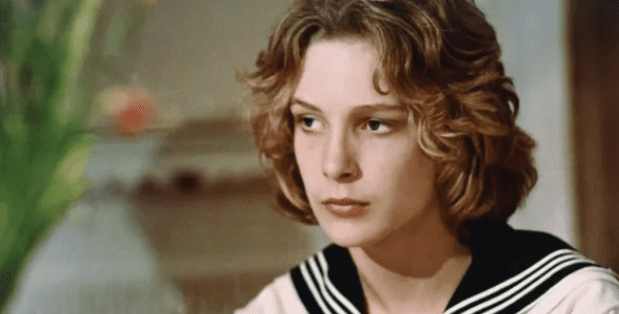
The news of Björn Andrésen’s passing at the age of 70 marks the end of a life defined by a single, seismic event: his casting in a film that would both make him immortal and haunt him for fifty years. In 1d, the Swedish actor, then just 15, was thrust into the global spotlight as Tadzio in Luchino Visconti’s Death in Venice.
Table of Contents
He was almost immediately dubbed “the most beautiful boy in the world,” a label that became a gilded cage. His life, and the recent documentary that re-examined it, has had a lasting impact on our culture. It forced a reckoning with our ideas of fame, beauty, youth, and the responsibilities of the artists who create icons.
Here are the 10 lasting impacts of Björn Andrésen and the complex legacy he leaves behind.
1. The Film: Embodying “Death in Venice”
The first and most significant impact is, of course, the 1971 film itself. Luchino Visconti’s Death in Venice is a slow, art-house masterpiece based on Thomas Mann’s novella. It tells the story of Gustav von Aschenbach, an aging composer (Dirk Bogarde) who travels to Venice and becomes silently, ruinously obsessed with an adolescent Polish boy named Tadzio.
Andrésen’s role was almost entirely non-verbal. He didn’t need to speak. His job was to be the “absolute beauty” that Visconti had spent months searching for. His ethereal, androgynous appearance—framed in golden-hour light on the Venice Lido—was not just a character; it was the film’s central symbol. He was the embodiment of the perfect, unattainable, and ultimately destructive ideal of beauty that leads the protagonist to his doom. For audiences, Andrésen was Tadzio, and the film’s success immediately burned his image into cinematic history.
2. The Title: A Crown and a Curse
It was at the film’s London premiere that director Luchino Visconti proclaimed his young star “the most beautiful boy in the world.” The press seized on the quote, and it stuck, becoming a global headline and a permanent prefix to Andrésen’s name.
This title is arguably his single greatest cultural impact. It was both a crown and a curse. At 15, he was instantly objectified on a global scale, turned from a person into a concept. The label followed him for the rest of his life, creating an impossible standard that he felt he could never escape. As he stated decades later, the moniker “screwed up my life.” It became the ultimate cautionary tale of how the world can “brand” a young person, often with little regard for the human being forced to carry the label.
3. A New Kind of Global Superstar at 15
Before the internet, before social media, the speed of Andrésen’s rise to fame was staggering. Death in Venice made him one of the first truly global teen idols of the art-film world. He was a 15-year-old from Stockholm who, overnight, was on the cover of magazines, mobbed by crowds, and the subject of intense, often disturbing, fascination from adults.
This sudden, unprepared-for celebrity was a shock. As the 2021 documentary shows, he was paraded by Visconti through the Cannes Film Festival and, more troublingly, taken to gay clubs where he was put on display for older, wealthy men. This instant, massive fame, divorced from any personal agency or control, was a traumatic experience that set the stage for a lifetime of struggling with its after-effects.
4. Pioneering the “Bishōnen” Look in Japan
While Andrésen was famous in the West, his impact in Japan was on an entirely different level. His androgynous beauty—the delicate features, pale skin, and blonde ringlets—had a profound and direct influence on Japanese pop culture.
He became the face of the “Bishōnen” (literally “beautiful youth”) aesthetic, a cultural archetype that celebrates androgynous male beauty. His face is credited as a direct inspiration for some of the most iconic characters in classic shōjo (girls’) manga, most famously Lady Oscar from the 1970s manga The Rose of Versailles. He became a massive pop star in Japan, recording several songs and appearing in countless commercials. This impact is still visible today in the character designs of countless anime and manga, making him an unwitting godfather to a major artistic movement.
5. The Dark Side of Sudden Fame and Objectification
Andrésen’s story is one of the most powerful and tragic examples of the dark side of childhood fame. His life became a blueprint for what we now recognize as exploitation. As a minor, he was pressured into uncomfortable situations by adults he was told to trust.
The 2021 documentary The Most Beautiful Boy in the World details how he was thrust into adult situations without a guardian, given prescription drugs to cope with a grueling work schedule, and made to feel like an “exotic animal in a cage” for the viewing pleasure of others. His life story has become a key reference point for the predatory nature of “trophy hunting” in the entertainment industry, where a young person’s vulnerability is seen as an opportunity by those in power.
6. A Lifelong Struggle with the Label
The “most beautiful boy” label didn’t just haunt Andrésen’s youth; it defined his entire adult life. He was typecast, and his attempts to be taken seriously as an actor or musician were constantly overshadowed by an image he was frozen in at age 15. “When I watch it now,” he said in an interview with Variety, “I see how that son of a bitch [Visconti] sexualized me.”
This struggle led to severe mental health issues, a long-lasting depression, and struggles with alcoholism. His son, Elvin, tragically died of Sudden Infant Death Syndrome (SIDS) in 1986, a devastating personal loss that compounded the trauma of his youth. His life became a painful battle to reconcile the famous, silent “boy-object” on the screen with the complex, grieving, and talented man he actually was.
7. A Respected Career in Music and Swedish Film
Though the world tried to freeze him in time, Andrésen refused. He had a career far beyond Death in Venice, though it was quieter and largely confined to his native Sweden. He was a professional musician, performing and touring for years with the Sven Erics dance band.
He also continued to act, deliberately seeking roles that contrasted with his Tadzio image. He appeared in several Swedish films over the decades, including 1982’s The Simple-Minded Murderer. This determination to continue his craft, to be a working artist rather than just a beautiful relic, was a quiet act of defiance against the label that had tried to define him.
8. The 2021 Documentary That Retold His Story
For 50 years, Andrésen’s story was largely told by others. Then, in 2021, the documentary The Most Beautiful Boy in the World, directed by Kristina Lindström and Kristian Petri, finally gave him the chance to reclaim his own narrative.
The film premiered at the Sundance Film Festival to critical acclaim. It unflinchingly juxtaposed the archival footage of his “golden boy” youth with the realities of his present-day life—a man still grappling with immense trauma, living in a small Stockholm apartment, and trying to find closure. The documentary’s lasting impact was to reframe his entire story. He was no longer just a beautiful symbol from a classic film; he was a survivor, and his testimony was a powerful, first-hand indictment of the industry that had consumed him.
9. His Surprising and Haunting Role in “Midsommar”
For many modern filmgoers, Andrésen’s most recognizable role isn’t Tadzio. It’s his small but terrifying part in Ari Aster’s 2019 folk-horror film Midsommar. Andrésen plays Dan, one of the gaunt, grey-haired Hårga elders. In one of the film’s most disturbing scenes, he is the elder who participates in the Ättestupa, a ritual suicide, by leaping from a cliff.
The casting was a stroke of genius. Seeing that same, once-famous face—now aged, weathered, and gaunt—participate in such a grisly ritual was deeply unsettling. It was a meta-commentary on the passage of time, the decay of beauty, and the “curse” of the face that the world once idolized. It was a final, shocking artistic statement that brought his image full circle.
10. The Urgent Conversation He Started About Youth
Ultimately, Björn Andrésen’s most important lasting impact is the conversation his life and death demand we have. His story is no longer just a “tragic tale”; it is a crucial case study in the ethics of art and the protection of children in the entertainment industry.
He was a minor, effectively abandoned by his guardians and chaperones to a powerful director who, by Andrésen’s own account, “didn’t give a fuck” about his feelings. His life forces us to ask: What is the price of “great art”? Who is disposable in its creation? His legacy, amplified by the #MeToo movement and a new awareness of historical abuses, is a powerful warning that must inform how we protect young performers today and in the future. He was a person, not a prop, and his story compels us to never make that mistake again.
Further Reading
To understand the full context of Björn Andrésen’s life, the art he was a part of, and the discussions he sparked, these works are essential.
- The Most Beautiful Boy in the World (2021 documentary) directed by Kristina Lindström and Kristian Petri
- Death in Venice (1912 novella) by Thomas Mann
- Visconti: A Biography by Gaia Servadio
- Mommy Dearest by Christina Crawford (An autobiography that, like Andrésen’s story, shed light on the dark side of a glamorous upbringing)
Here at Zentara.blog, our mission is to take those tricky subjects and unlock them, making knowledge exciting and easy to grasp for everyone. But the adventure doesn’t stop on this page! We’re constantly exploring new frontiers and sharing discoveries across the digital universe. Want to dive deeper into more mind-bending Top 10s and keep expanding your world? Come join us on our other platforms – we’ve got unique experiences waiting for you on each one!
Get inspired by visual wonders and bite-sized facts: See the world through Zentara’s eyes on Pinterest!
Pin our fascinating facts and stunning visuals to your own boards. Explore Pins on Pinterest: https://uk.pinterest.com/zentarablog/
Discover quick insights and behind-the-scenes peeks: Hop over to Tumblr for snippets, quotes, and unique content you won’t find anywhere else. It’s a different flavour of discovery! Follow the Fun on Tumblr: https://www.tumblr.com/zentarablog
Ready for deep dives you can listen to or watch? We’re bringing our accessible approach to video and potentially audio! Subscribe to our YouTube channel and tune into future projects that make learning pop! Subscribe on YouTube: https://www.youtube.com/@ZentaraUK
Seeking even more knowledge in one place? We’ve compiled some of our most popular topic deep dives into fantastic ebooks! Find them on Amazon and keep the learning journey going anytime, anywhere. Find Our Ebooks on Amazon: https://www.amazon.co.uk/s?k=Zentara+UK&ref=nb_sb_noss
Connect with us and fellow knowledge seekers: Join the conversation on BlueSky! We’re sharing updates, thoughts, and maybe even asking you what wonders we should explore next. Chat with Us on BlueSky: https://bsky.app/profile/zentarablog.bsky.social
Perfect for learning on the move! We post multiple 10-minute podcasts per day on Spotify. Pop on your headphones and fill your day with fascinating facts while you’re out and about! Listen on Spotify: https://open.spotify.com/show/3dmHbKeDufRx95xPYIqKhJFollow us on Instagram for bytesize knowledge! We post multiple posts per day on our official Instagram account. https://www.instagram.com/zentarablog/ Every click helps us keep bringing honest, accessible knowledge to everyone. Thanks for exploring with us today – see you out there in the world of discovery!




Leave a Reply