
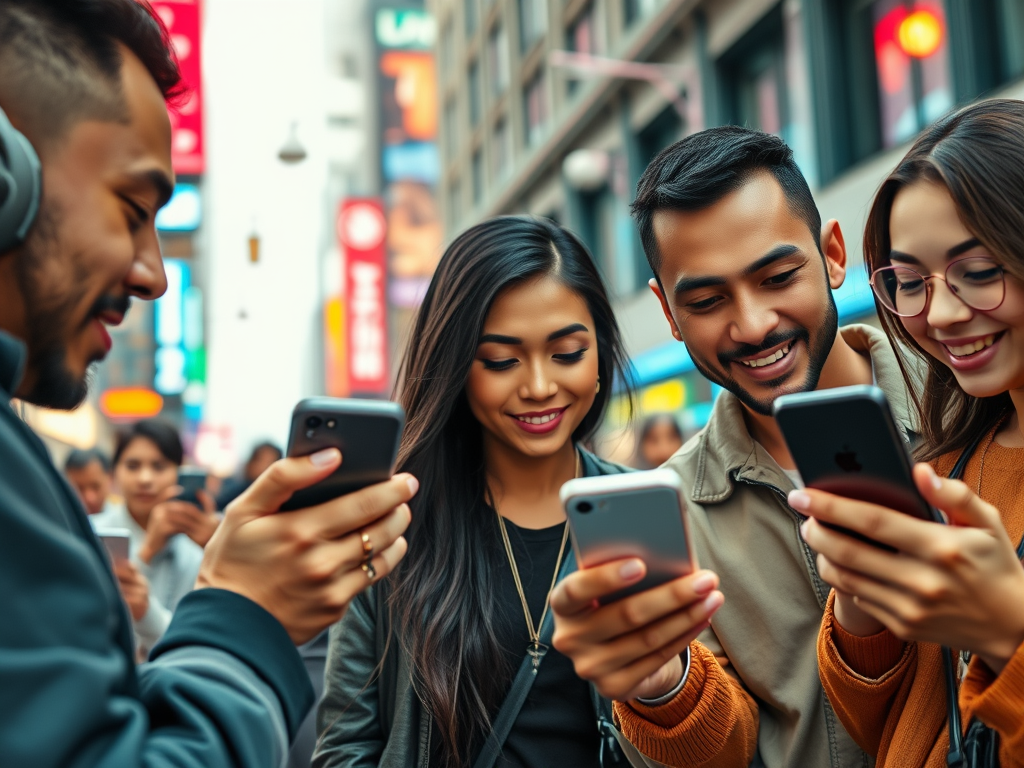
In the span of just a few years, TikTok has evolved from a niche lip-syncing app into a global cultural juggernaut. It is no longer just a platform for viral dances; it is a search engine, a marketplace, a political stage, and a record-label maker. As of 2025, TikTok’s influence on how we consume information, spend our money, and even perceive time is unparalleled in the history of social media platforms.
However, the “magic” of the app—the way it seems to know exactly what you want to watch before you do—is not accidental. It is the result of some of the most sophisticated machine learning architecture ever deployed in a consumer product. While we spend hours scrolling through the “For You Page” (FYP), a complex interplay of data science, psychological triggers, and global logistics is happening behind the screen. To understand TikTok is to understand the future of the digital economy and the shifting landscape of human attention.
Here are the top 10 facts you didn’t know about TikTok, ranging from the secrets of its hyper-personalized algorithm to its profound impact on the music industry and modern mental health.
1. The “Algorithmic Mirror”: How the FYP Learns Your Soul
The heart of TikTok is the TikTok algorithm, a recommendation engine so precise that users often joke it knows them better than their own families. Unlike older platforms like Facebook or Instagram, which originally prioritized who you follow, TikTok focuses on “content graphs.” It doesn’t care who your friends are; it cares about your behavior. Every second you spend watching a video, every time you rewatch a clip, and even the speed at which you scroll past something is a data point.
This system uses predictive modeling to create a “For You Page” that is unique to every single user. If you linger on a video of a golden retriever for three extra seconds, the algorithm notes your interest in “dogs,” “pets,” and perhaps even “wholesome content.” Over time, it maps your interests with startling accuracy, creating a feedback loop that maximizes user engagement. This is why two people sitting on the same couch can have completely different experiences of the app; one may see political commentary and cooking hacks, while the other sees indie music and DIY home renovations.
2. From Musical.ly to Global Dominance: The Merger that Changed Everything
TikTok didn’t start as the app we know today. Its origins lie in a Chinese app called Douyin, launched by the tech giant ByteDance in 2016. However, its path to global stardom was paved by the acquisition of Musical.ly, a popular American lip-syncing app. In 2018, ByteDance merged Musical.ly into TikTok, migrating millions of existing users and their data into a single platform.
This merger was a masterstroke in global tech strategy. It combined Musical.ly’s established Western user base and music-centric culture with ByteDance’s superior artificial intelligence technology. This fusion created a “perfect storm” that allowed TikTok to bypass the slow organic growth phase most apps endure. It was essentially a heart transplant for a social network, replacing an old recommendation system with a high-powered AI engine that immediately began hooked users across the globe, leading to the app downloads records it continues to break today.
3. The 15-Second Hook: Mastering Micro-Attention
TikTok revolutionized the “short-form video” format, originally limiting videos to 15 seconds. While the app now allows much longer content, the DNA of the platform is built on the “hook.” Because the next video is just a swipe away, creators have approximately 1.5 to 3 seconds to capture a viewer’s attention. This has led to a new style of content creation where the most important information or the biggest visual “wow” factor happens immediately.
This fast-paced environment has a measurable effect on attention spans. Psychologists note that the constant “dopamine hits” provided by rapid-fire, high-interest videos train the brain to expect instant gratification. This “micro-learning” or “micro-entertainment” model is so successful that it has forced competitors like YouTube (Shorts) and Instagram (Reels) to copy the format. TikTok didn’t just join the social media race; it changed the speed at which the race is run, making viral marketing a game of milliseconds.
4. The Sound-First Revolution: Music as a Meme
On most social platforms, sound is an optional add-on. On TikTok, sound is the foundation. TikTok is the first platform where “audio” acts as a primary search and discovery tool. When a specific song or “original sound” goes viral, it becomes a template for thousands of other creators to use. This is known as audio-based social media, where a soundbite becomes the “meme” rather than just the image.
This has completely disrupted the music industry. Hits are no longer made solely by radio play or high-budget music videos; they are made by 15-second clips that become “trends.” Artists like Lil Nas X and PinkPantheress owe their careers to TikTok’s ability to turn a catchy hook into a global phenomenon. Record labels now scout the app’s trending audio charts to find the next big star, and many songs are now written specifically to have “TikTok-able” moments—brief, catchy segments designed for viral trends.
5. The Search Engine of Gen Z: Replacing Google?
In a surprising shift in digital literacy and behavior, younger generations (Gen Z and Gen Alpha) are increasingly using TikTok as their primary search engine. Instead of typing a query into Google, users search TikTok for “best restaurants in NYC,” “how to fix a leaky faucet,” or “product reviews.” Because the results are short, visual, and come from “real people” rather than polished websites, users often find the information more trustworthy and digestible.
This has massive implications for SEO (Search Engine Optimization). Businesses and creators are now optimizing their captions and video content not just for the algorithm’s “push,” but for the user’s “pull” through the search bar. However, this also presents a challenge for information accuracy. Unlike Google, which attempts to prioritize authoritative sources, TikTok’s search results are often ranked by engagement, which can lead to the rapid spread of misinformation if not carefully moderated.
6. The “Creator Economy” and the Reality of the Creator Fund
TikTok has turned “influencer” into a mainstream career path, fueling the growth of the creator economy. Through the “TikTok Creator Fund” (and its successor, the Creativity Program Premium), the platform pays creators based on their video views. However, the reality of these payments is often surprising. For many creators, the pay from TikTok itself is relatively low—often just a few cents per thousand views.
The real money in TikTok comes from brand partnerships, “Live” gifting, and affiliate marketing. During TikTok Live sessions, viewers can send digital “gifts” to creators, which can be converted into actual cash. This “direct-to-fan” monetization model has turned the app into a 24/7 digital telethon. While the app provides the stage, the creators must be savvy entrepreneurs to turn their viral content into a sustainable living, highlighting the complexities of labor in the digital economy.
7. The Psychology of the “Infinite Scroll”
The user interface of TikTok is a masterpiece of behavioral psychology. The “infinite scroll” design removes all “stopping cues”—the natural breaks that tell our brains it’s time to move on to a different task. On a platform like Netflix, you have to choose a show; on TikTok, the choice is made for you, and the next video starts automatically. This creates a state of “flow” or “immersion” that makes users lose track of time.
This design is often compared to a “slot machine.” Every swipe is a gamble; you don’t know if the next video will be a hilarious joke, a beautiful sunset, or a boring ad. This intermittent reinforcement is one of the most powerful ways to build a habit. It keeps users engaged for an average of 95 minutes per day, far surpassing the time spent on almost any other social app. Understanding this “dark pattern” of design is crucial for practicing digital wellness in an age of constant connectivity.
8. TikTok Shop: The Rise of “Social Commerce”
TikTok is no longer just for watching; it’s for buying. With the launch of TikTok Shop, the platform integrated e-commerce directly into the video feed. This is the ultimate evolution of social commerce, where the distance between seeing a product and purchasing it is reduced to a single click. Influencers can now tag products in their videos, earning a commission on every sale made through their link.
This model leverages “impulse buying” at an unprecedented scale. By using real-time data to show you products that align with your niche interests (e.g., specialized kitchen gadgets for foodies or rare plants for gardeners), TikTok has created a highly efficient digital marketplace. However, this has also led to concerns regarding consumer protection and the quality of goods sold on the platform, as the speed of viral sales often outpaces the ability to vet every “trending” product.
9. Data Sovereignty and the “Geopolitical Football”
Perhaps the most controversial aspect of TikTok is its relationship with its parent company, ByteDance, and the Chinese government. This has turned the app into a “geopolitical football,” leading to bans or threatened bans in several countries, including India and the United States. The core of the concern revolves around data privacy and the potential for the app to be used as a tool for state-sponsored influence.
As of 2025, “Project Texas” in the U.S. and similar initiatives in Europe have attempted to “ring-fence” domestic user data, storing it on local servers managed by third parties like Oracle. This debate highlights the new reality of cybersecurity in the 21st century: social media platforms are no longer just toys; they are strategic national assets. The way your data is handled is a matter of international relations, making the app a central figure in the ongoing discussion about digital sovereignty.
10. The “Niche-ification” of Culture: Finding Your Tribe
Before TikTok, “mainstream culture” was defined by a few major TV shows, movies, or musicians. TikTok has accelerated the “niche-ification” of culture. Through its high-precision content recommendation, the app allows tiny subcultures to find each other and flourish. Whether it’s #BookTok, #CottageCore, or #CleanTok, users can dive deep into incredibly specific communities that would have been invisible a decade ago.
This has shifted the power away from traditional “gatekeepers” (like editors or studio heads) and into the hands of the “crowd.” If enough people engage with a niche topic, the TikTok algorithm will find more people who like it, turning a small hobby into a global movement. This “tribalization” of the internet allows for a greater sense of belonging for many, but it also creates “filter bubbles” where users are only exposed to ideas and people that reinforce their existing worldviews, a key challenge for social cohesion in the modern age.
Further Reading
- Attention Factory: The Story of TikTok and China’s ByteDance by Matthew Brennan – A comprehensive history of how ByteDance built the world’s most popular app.
- TikTok Boom: China’s Dynamite App and the Superpower Race for Social Media by Chris Stokel-Walker – An exploration of the geopolitical and cultural impact of the platform.
- The Age of Surveillance Capitalism by Shoshana Zuboff – While not specifically about TikTok, this book provides the essential framework for understanding how “behavioral data” is used by tech giants.
- Digital Minimalism: Choosing a Focused Life in a Noisy World by Cal Newport – A guide to navigating the psychological traps of the “attention economy” used by apps like TikTok.
Keep the Discovery Going!
Here at Zentara, our mission is to take tricky subjects and unlock them, making knowledge exciting and easy to grasp. But the adventure doesn’t stop at the bottom of this page. We are constantly creating new ways for you to learn, watch, and listen every single day.
📺 Watch & Learn on YouTube
Visual learner? We publish 4 new videos every day, plus breaking news shorts to keep you smarter than the headlines. From deep dives to quick facts, our channel is your daily visual dose of wonder.
Click here to Subscribe to Zentara on YouTube
🎧 Listen on the Go on Spotify
Prefer to learn while you move? Tune into the Zentara Podcast! We drop a new episode daily, perfect for your commute, workout, or coffee break. Pop on your headphones and fill your day with fascinating facts.
Click here to Listen on Spotify
Every click, view, and listen helps us keep bringing honest knowledge to everyone. Thanks for exploring with us today—see you out there in the world of discovery!
Leave a Reply