
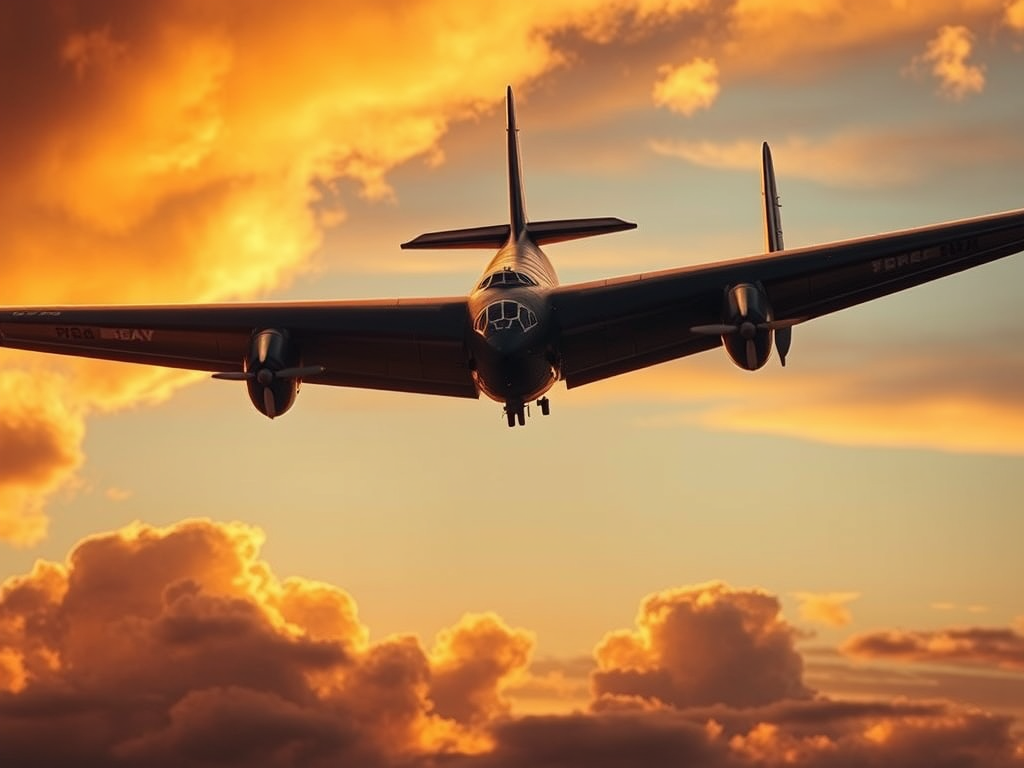
The events of August 6, 1945, fundamentally altered the trajectory of human history. When the B-29 bomber known as the Enola Gay released its payload over the Japanese city of Hiroshima, it didn’t just drop a weapon; it unleashed the Atomic Age. For decades, the narrative surrounding this event has focused on the broad strokes of World War II history and the eventual Japanese surrender. However, beneath the mushroom cloud lies a complex web of logistical decisions, harrowing personal accounts, and a global reaction that shifted from relief to existential dread.
Understanding the impact of the atomic bomb requires looking past the statistics of destruction. It involves examining why certain cities were chosen, how the Manhattan Project scientists viewed their creation, and how the Harry Truman bomb decision was defended in the face of unprecedented civilian loss. As we explore these ten facts, we gain a clearer picture of a day that remains one of the most debated and significant moments in the annals of nuclear warfare history.
1. The “Honeymoon” That Saved an Ancient Capital
Before Hiroshima became the primary target, the U.S. Target Committee had a different city at the top of their list: Kyoto. As the intellectual and cultural heart of Japan, Kyoto was seen as a target that would “psychologically shatter” the Japanese resolve. However, the city was spared thanks to a personal intervention by U.S. Secretary of War Henry Stimson. Stimson had visited Kyoto decades earlier on his honeymoon and was so moved by its beauty and cultural significance that he insisted it be removed from the hit list.
This decision underscores the cold, calculated logic used during military planning in 1945. The committee wasn’t looking for just any city; they needed a “virgin target”—a city that had been largely untouched by conventional firebombing. This would allow the Manhattan Project scientists to accurately measure the destructive power of the new weapon. When Kyoto was removed, Hiroshima, a major military hub and port, moved to the top of the list. It is a chilling reminder of how individual sentiment and strategic necessity intersected to decide the fate of hundreds of thousands of lives during the final stages of the Pacific War.
2. The “Hiroshima Shadows” and the Physics of Light
One of the most haunting visual legacies of the blast is the phenomenon known as “Hiroshima shadows.” When the Little Boy atomic bomb detonated 1,900 feet above the city, it created a fireball hotter than the surface of the sun. The intense thermal radiation traveled at the speed of light, instantly incinerating everything in its path. However, objects or people in the direct line of the flash acted as shields, absorbing the heat and protecting the surfaces behind them.
The result was a permanent “shadow” etched onto stone walls and sidewalks—a dark silhouette where the surrounding material had been bleached white by the heat. These shadows are a stark representation of the humanitarian impact of nuclear war. In an instant, a person waiting for a bus or sitting on a set of stairs was reduced to a mere outline on the pavement. This fact highlights the terrifying efficiency of nuclear weapons impact, where the energy released is so vast it literally imprints the final moments of a city’s residents onto the landscape itself.
3. The Leaflet Warning That Never Named the Bomb
In the days leading up to the attack, the U.S. military participated in a psychological warfare campaign by dropping millions of leaflets across Japanese cities. Known as the “LeMay leaflets,” these papers urged civilians to flee their cities and petition the Emperor to end the war. However, there is a common misconception that these leaflets specifically warned Hiroshima residents about an impending atomic attack. In reality, the leaflets dropped on Hiroshima before August 6 only promised “prompt and utter destruction” through conventional means.
The specific “Atomic Bomb Leaflet,” which detailed the power of the new weapon, was actually dropped after the Hiroshima bombing to encourage a quick Japanese surrender before further attacks occurred. This distinction is vital for understanding the ethical debate surrounding the bombing. Critics often point to the lack of a specific warning as a failure of humanitarian protocol, while defenders argue that maintaining the element of surprise was a military necessity to ensure the Enola Gay could complete its mission without being intercepted.
4. The 500,000 Purple Hearts and the Cost of Invasion
To understand why the Harry Truman bomb decision remains so stoutly defended by many historians, one must look at the alternative: Operation Downfall. This was the planned land invasion of the Japanese home islands, which military planners expected to be a bloodbath. The U.S. government was so certain of the high casualty rates that they manufactured approximately 500,000 Purple Heart medals in anticipation of the losses.
Even today, the U.S. military is still using the stock of Purple Hearts created for that canceled invasion. The defense of the bombing often rests on this “mathematics of death.” By using the atomic bomb, Truman argued he was choosing the “lesser of two evils.” From the U.S. perspective, the Manhattan Project provided a way to end the war without the need for a protracted, D-Day-style invasion that could have resulted in millions of American and Japanese deaths. This logistical fact remains a primary pillar of the atomic bomb justification in historical discourse.
5. The Forgotten Victims: Korean Forced Laborers
While the narrative of Hiroshima is often told as a story of American technology versus Japanese resilience, a significant portion of the victims were neither. It is estimated that between 10% and 20% of those killed in the Hiroshima blast were Koreans. During the war, tens of thousands of Koreans had been brought to Japan as forced laborers to work in factories and shipyards, many of which were located in Hiroshima due to its industrial importance.
These victims occupied a tragic middle ground—they were colonized subjects of the Japanese Empire, killed by an American weapon intended to liberate their homeland. For decades after the war, the stories of these survivors, or Hibakusha, were often sidelined in both Japanese and Korean histories. Acknowledging their presence provides a more nuanced view of the global impact of the war and the indiscriminate nature of nuclear fallout effects, which do not distinguish between combatant, civilian, or the oppressed.
6. The “Double Survivors” of the Atomic Age
Perhaps the most incredible stories of survival from that week are those of the Nijū Hibakusha, or “double-affected people.” The most famous was Tsutomu Yamaguchi, an engineer who was in Hiroshima on a business trip when the first bomb fell. He survived the blast with severe burns, spent the night in a shelter, and then miraculously caught a train back to his hometown—which happened to be Nagasaki.
Yamaguchi arrived in Nagasaki just in time for the second atomic bombing on August 9. He survived that blast as well, eventually living into his 90s. His story serves as a living testament to the sheer chaos of the Pacific War and the resilience of the human spirit. It also highlights the terrifying reality of the Atomic Age: the realization that there was nowhere left to hide from a weapon that could erase a city in a heartbeat. His experience helped the world understand the long-term radiation sickness symptoms and the psychological trauma that followed these unprecedented events.
7. The “Black Rain” and the Scramble for Water
Immediately following the explosion, a massive mushroom cloud carried tons of radioactive dust and ash into the atmosphere. As this debris cooled and mixed with moisture, it fell back to earth as “Black Rain”—a thick, oily, and highly radioactive precipitation. Survivors, suffering from intense thirst caused by the thermal heat and acute radiation syndrome, naturally tried to drink this rain or catch it in their mouths, unaware that it was a concentrated poison.
The “Black Rain” caused secondary radiation poisoning in people who were miles away from the initial blast site. This phenomenon is one of the most significant radiation sickness facts discovered in the wake of the bombing. It illustrated that the impact of the atomic bomb was not limited to the “ground zero” area; the environmental consequences could spread death far beyond the reach of the fire and shockwaves. This realization fueled much of the post-war fear regarding nuclear fallout and the long-term habitability of targeted regions.
8. The Global Reaction: A “Reprieve from Death”
The way the world reacted to the news of Hiroshima was far from uniform. In the United States, an August 1945 poll showed that 85% of the public approved of the bomb’s use. For the Allied soldiers stationed in the Pacific, the news felt like a “reprieve from a death sentence.” Many had survived the brutal campaigns of Iwo Jima and Okinawa and knew that a mainland invasion would likely be their end.
However, in the scientific and intellectual communities, the reaction was often one of profound horror. Even some members of the Manhattan Project, such as Leo Szilard, had tried to petition the government to use a non-combat demonstration of the bomb instead. As the details of the devastation reached the global stage, the initial “victory” sentiment began to morph into a realization that the world had entered a precarious new era of Cold War origins. The world reaction to Hiroshima laid the groundwork for the United Nations and the first international efforts toward nuclear non-proliferation.
9. The Miracle of the Oleander
In the months following the bombing, a grim theory circulated among scientists: that nothing would grow in the soil of Hiroshima for 75 years. The city was seen as a “dead zone,” a permanent scar on the earth where life had been extinguished at the molecular level. However, this theory was shattered the following spring when a bright red flower—the Oleander—began to bloom amidst the rubble.
The Oleander became the official flower of Hiroshima and a powerful symbol of the city’s rebirth. Its ability to thrive in the wake of such environmental destruction offered a psychological lifeline to the survivors. It represented a shift from the immediate tragedy to the long-term process of rebuilding. Today, Hiroshima is a vibrant, modern city, but the Oleander remains a reminder of the “miracle” that proved life could endure even the most extreme applications of nuclear technology.
10. The Defense: “The Shattering of the Jewel”
The U.S. defense of the bombing often cites the Japanese military’s commitment to Gyokusai, or “the shattering of the jewel”—the idea of honorable suicide over surrender. U.S. intelligence intercepted messages suggesting that the Japanese government planned to mobilize the entire civilian population, including women and children, to fight with bamboo spears if necessary. This total mobilization was known as the “Volunteer Fighting Corps.”
The American argument, supported by the Potsdam Declaration, was that only an “overwhelming demonstration of power” could force the hand of the hardline Japanese military leaders. They believed that conventional bombing had failed to produce a surrender and that the atomic bomb was the only key to unlocking the stalemate. This perspective views the bombing not as an act of cruelty, but as a surgical, albeit horrific, strike designed to prevent a much longer and more devastating total war. This remains a central theme in studying Allied forces victory and the ethical complexities of 20th-century warfare.
Further Reading
If you are interested in diving deeper into the history and human stories of this era, the following books are highly recommended:
- Hiroshima by John Hersey – A groundbreaking piece of journalism that follows six survivors through the blast and its aftermath.
- The Making of the Atomic Bomb by Richard Rhodes – The definitive history of the Manhattan Project and the scientific race to build the weapon.
- Prompt and Utter Destruction: Truman and the Use of Atomic Bombs Against Japan by J. Samuel Walker – A concise exploration of the political and military decisions behind the bombing.
- Nagasaki: Life After Nuclear War by Susan Southard – A powerful look at the long-term effects of the bombings on the survivors (Hibakusha).
Keep the Discovery Going!
Here at Zentara, our mission is to take tricky subjects and unlock them, making knowledge exciting and easy to grasp. But the adventure doesn’t stop at the bottom of this page. We are constantly creating new ways for you to learn, watch, and listen every single day.
📺 Watch & Learn on YouTube
Visual learner? We publish 4 new videos every day, plus breaking news shorts to keep you smarter than the headlines. From deep dives to quick facts, our channel is your daily visual dose of wonder.
Click here to Subscribe to Zentara on YouTube
🎧 Listen on the Go on Spotify
Prefer to learn while you move? Tune into the Zentara Podcast! We drop a new episode daily, perfect for your commute, workout, or coffee break. Pop on your headphones and fill your day with fascinating facts.
Click here to Listen on Spotify
Every click, view, and listen helps us keep bringing honest knowledge to everyone. Thanks for exploring with us today—see you out there in the world of discovery!




Leave a Reply