
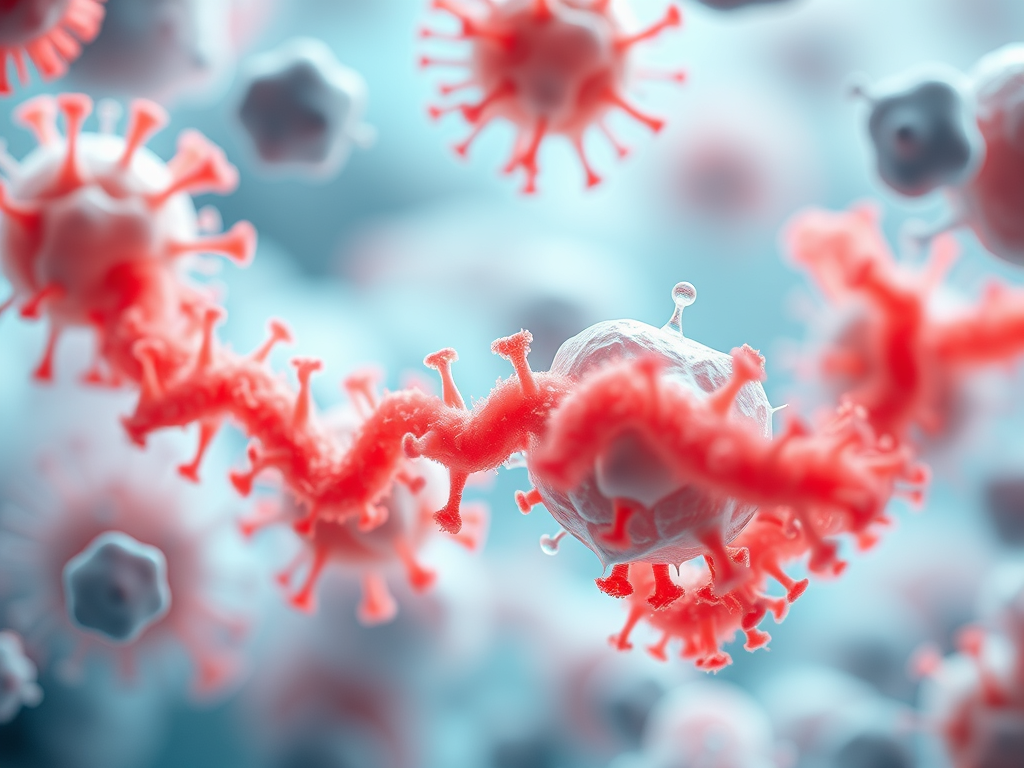
In the quiet, microscopic world of a hospital ward or a bustling commercial farm, a silent war is being waged. On one side are the miracle drugs of the 20th century—antibiotics—and on the other are “superbugs,” bacteria that have evolved to laugh in the face of our strongest medicines. For decades, it seemed like the bacteria were winning. However, a major medical breakthrough from the University of California, San Diego, announced in February 2026, has changed the tide. Scientists have unveiled a new CRISPR-based “gene fix” that doesn’t just kill bacteria; it “reprograms” them to be harmless again.
By using the same molecular machinery that bacteria originally evolved to fight off viruses, researchers are now turning the tables. This technology, known as a bacterial gene drive, offers a path toward a future where “untreatable” infections become a thing of the past. Here are the top 10 amazing ways this CRISPR gene fix is set to end the era of the superbug.
1. Decoding the “Superbug” Identity Crisis
To understand the solution, we must first understand the enemy. Superbugs are not a specific species of bacteria; rather, they are any strain of bacteria that has developed multidrug resistance (MDR). Imagine a castle that has reinforced its gates, thickened its walls, and trained its guards to recognize every type of spy we send in. These bacteria, such as MRSA (Methicillin-resistant Staphylococcus aureus) or drug-resistant E. coli, have acquired genetic mutations that allow them to survive exposure to antibiotics like penicillin or ampicillin.
The danger of superbugs lies in their ability to turn routine surgeries or minor scrapes into life-threatening emergencies. Before the advent of CRISPR technology, our only strategy was to develop “bigger, better” antibiotics—essentially trying to build a heavier battering ram for the castle gates. But the bacteria simply evolved thicker walls. The 2026 breakthrough at UC San Diego shifts the focus from destruction to “genetic de-arming,” identifying the specific segments of DNA that grant these germs their “superpowers” and neutralizing them at the source.
2. The Precision of CRISPR “Molecular Scissors”
At the heart of this revolution is CRISPR-Cas9, a system often described as “molecular scissors.” In nature, bacteria use CRISPR to keep a “library” of viral DNA snippets. If the same virus attacks again, the Cas9 enzyme uses those snippets as a guide to find the matching viral DNA and snip it, effectively “killing” the virus. Scientists have learned to hijack this GPS-like system, providing the Cas9 enzyme with a custom “guide RNA” that leads it to specific antibiotic resistance genes instead.
This precision is what makes the “gene fix” so revolutionary. Traditional antibiotics are like carpet bombs; they kill both the “bad” bacteria causing an infection and the “good” bacteria in your gut that keep you healthy. CRISPR, however, is a sniper. It can enter a crowded microbial community, find only the cells carrying a specific drug-resistant marker, and cut that exact gene. By breaking the genetic code that makes a germ dangerous, CRISPR leaves the beneficial bacteria untouched while stripping the pathogens of their defenses.
3. Solving the Problem of Horizontal Gene Transfer
Bacteria are social creatures, but their “socializing” is a nightmare for modern medicine. Through a process called horizontal gene transfer, bacteria can literally swap pieces of DNA with their neighbors. They often carry their most dangerous traits—like the ability to survive antibiotics—on tiny, circular loops of DNA called plasmids. If one bacterium survives an antibiotic treatment, it can “teach” its neighbors how to do the same by passing along these plasmids, leading to a rapid spread of antimicrobial resistance (AMR).
The February 2026 breakthrough specifically targets these traveling loops of DNA. The new system, developed by researchers including Ethan Bier and Justin Meyer, uses a genetic cassette that targets the plasmids themselves. By disrupting these mobile genetic elements, the CRISPR fix prevents bacteria from sharing their resistance “blueprints.” It’s like a software patch that automatically deletes a computer virus before it can be emailed to everyone in your contact list.
4. The “Gene-Drive” Secret Weapon: pPro-MobV
The most “scifi” element of the 2026 UC San Diego research is the adaptation of gene drive technology. Originally developed to control mosquito populations, a gene drive ensures that a specific trait is passed on to nearly 100% of offspring, overriding the traditional 50/50 rules of inheritance. The team developed a second-generation system called pPro-MobV, which acts as a “pro-active” genetic tool.
Instead of waiting for a doctor to apply a treatment to every individual bacterium, the pPro-MobV system is designed to spread itself. When a “fixer” bacterium meets a “superbug,” they engage in conjugal transfer—a form of bacterial mating. During this encounter, the CRISPR machinery moves from the fixer to the superbug, where it immediately gets to work deleting the resistance genes and replacing them with a copy of the CRISPR “fix.” This creates a chain reaction where the cure spreads through the population just as fast as the “disease” once did.
5. Stripping Away the Biofilm “Armor”
One of the hardest challenges in treating infections is the biofilm. This is a slimy, protective “fortress” that bacteria build over themselves, often found on medical implants, in chronic wounds, or on hospital surfaces. These biofilms are incredibly resistant to traditional cleaning and medicine because the outer layers of slime prevent antibiotics from ever reaching the bacteria inside.
The UC San Diego team demonstrated that their CRISPR gene fix is uniquely capable of penetrating these fortresses. Because the system relies on the bacteria’s own natural “mating” and communication channels, it can weave through the biofilm structure from cell to cell. Once inside, it “scrubs” the population, reverting the bacteria back to a state where they are once again sensitive to common drugs. This “population engineering” represents a massive leap forward in healthcare and environmental sanitation.
6. Environmental Scrubbing: Hospitals and Farms
Superbugs aren’t just found in humans; they thrive in our environment, particularly in sewage treatment plants, aquafarms, and livestock feedlots. Over half of the global antibiotic resistance problem is estimated to originate from these environmental sources. Traditional chemicals used to clean these areas often just encourage the survival of even more resistant strains.
The pPro-MobV system offers a “bioremediation” solution. Scientists envision “scrubbing” these environments by releasing small amounts of “fixer” bacteria. These cells would travel through the sewers or ponds, systematically removing the antibiotic resistance genes from the local microbial communities. By cleaning the “reservoirs” where superbugs breed, we can prevent them from ever reaching human populations, creating a safer world for both people and animals.
7. Safety First: The Homology-Based Deletion “Fail-Safe”
With any discussion of genetic engineering, safety is a primary concern. What happens if the CRISPR “fix” spreads too far or has unintended consequences? To address this, the 2026 research incorporates a highly efficient fail-safe known as homology-based deletion. This is a self-destruct mechanism for the genetic cassette.
Researchers can program the system so that it only stays active as long as it’s needed. If they want to remove the CRISPR tool from the environment, they can trigger a specific genetic signal that causes the machinery to “cut itself out” of the bacterial DNA, leaving the bacteria in their original, non-resistant state without any foreign DNA remaining. This level of control makes the CRISPR “gene fix” significantly safer and more predictable than traditional chemical treatments or older forms of synthetic biology.
8. The Timeline for a Germ-Free Future
We are no longer just talking about theoretical science. As of 2026, there are over 250 clinical trials involving CRISPR-based therapies. While many focus on human genetic diseases like sickle cell anemia, a growing number are targeting infectious diseases. Companies like Locus Biosciences and SNIPR Biome are already testing CRISPR-enhanced bacteriophages—viruses that eat bacteria—to treat urinary tract infections and E. coli.
The UC San Diego breakthrough has accelerated the timeline for “environmental and microbiome engineering.” Within the next 5 to 10 years, we may see the first widespread use of CRISPR “scrubbers” in industrial settings. From there, the technology could move into “probiotic” treatments for humans, where a simple pill could “reset” your gut microbiome, removing any hidden drug-resistant pathogens before they have a chance to make you sick.
5. Global Impact on Human Life Expectancy
The stakes of this research couldn’t be higher. Before this breakthrough, public health experts warned that antimicrobial resistance could cause 10 million deaths annually by 2050, effectively ending the “antibiotic era” and returning us to a time when a simple infection could be a death sentence. This would have a devastating impact on human life expectancy and global productivity.
By successfully “reversing” the spread of resistance, the CRISPR gene fix could preserve the effectiveness of our current medical toolkit for centuries to come. It allows us to keep using the antibiotics we already have, like ampicillin or vancomycin, because the bacteria will no longer have the “armor” to resist them. This “gene-fix” isn’t just a new drug; it’s a way to save every other drug we’ve ever invented.
10. How You Can Help Prevent Resistance Today
While the CRISPR revolution is incredibly promising, it is not a “magic wand” that absolves us of responsibility. The best way to support this technology is to reduce the pressure we put on bacteria to evolve in the first place. This means practicing “antibiotic stewardship”—only taking antibiotics when absolutely necessary and always finishing the full course prescribed by a doctor.
Furthermore, supporting public health initiatives and funding for biotechnology research ensures that breakthroughs like those at UC San Diego can make the leap from the lab to the real world. By staying informed and advocating for the responsible use of gene editing, you become a part of the solution to one of the 21st century’s greatest challenges.
Further Reading
- “The Code Breaker” by Walter Isaacson: A compelling biography of Nobel winner Jennifer Doudna and the race to master CRISPR.
- “The Gene: An Intimate History” by Siddhartha Mukherjee: A deep but accessible dive into the history of genetic science.
- “A Crack in Creation” by Jennifer Doudna and Samuel Sternberg: An insider’s look at the discovery of CRISPR and the ethical frontier of gene editing.
“I Contain Multitudes” by Ed Yong: A fascinating exploration of the microbes that live within us and how we might engineer them for health.




Leave a Reply