
Time constraints often make it difficult to stay current with every television series. Zentara.blog provides recaps of major plot points, including spoilers, to ensure you remain updated or are prepared for an upcoming season.
The gritty, street-level corner of the Marvel Cinematic Universe found a new heartbeat in the story of Maya Lopez. Moving away from the cosmic battles of gods and monsters, this narrative dives deep into the red clay of Oklahoma and the shadowy back alleys of New York City. It is a tale of heritage, healing, and the violent shattering of a toxic legacy.
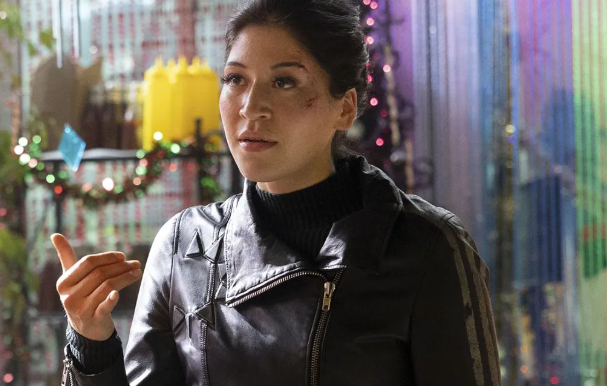
Maya Lopez, known to the underworld as Echo, is a character defined by her silence and her strength. As a deaf, Native American athlete and combatant with a prosthetic leg, she represents a unique intersection of resilience. However, her journey is primarily one of reclaiming her identity from the man who molded her into a weapon: Wilson Fisk, the Kingpin.
For those looking to understand how this story reshapes the future of street-level heroism, we have identified the ten most pivotal plot points that define Maya’s transformation from an assassin to a protector of her ancestors’ legacy.
1. The Violent Break from Kingpin’s Empire
The story truly begins with a moment of brutal clarity. After learning that her “Uncle,” Wilson Fisk, was responsible for the tip-off that led to her father’s death, Maya takes matters into her own hands. In a tense confrontation, she shoots the Kingpin in the face and flees New York. This act isn’t just a physical attack; it is a symbolic severing of the umbilical cord that tied her to a life of organized crime. By striking at the heart of the empire that raised her, Maya initiates a high-stakes game of cat-and-mouse that forces her to return to the one place she never thought she’d see again: her hometown of Tamaha, Oklahoma.
2. Returning to Tamaha: The Weight of Heritage
Maya’s return to Oklahoma is far from a warm homecoming. It serves as a stark contrast to the cold, industrial steel of New York City. In Tamaha, she is forced to confront the family she left behind—specifically her grandmother, Chula, and her cousin, Bonnie. This plot point is essential because it grounds the series in Choctaw culture. The Choctaw identity isn’t just a background detail; it is the source of Maya’s burgeoning power. Her return highlights the tension between the person she was forced to become in the city and the woman her ancestors intended her to be.
3. The Train Heist and the First Signs of “Echoing”
In an attempt to dismantle Fisk’s operations from afar, Maya orchestrates a daring heist on a munitions train. While the action is spectacular, the most significant development is the visual and spiritual “echoes” she begins to experience. During the heat of battle, Maya sees visions of her ancestors—women from different eras of Choctaw history. This establishes the series’ central conceit: Maya’s “powers” are not just photographic reflexes, but a spiritual connection to the lineage of strong women who came before her. She is literally echoing the strength of her bloodline to survive the present.
4. The Arrival of the Kingpin: Survival of a Monster
In a shocking twist that proves you can’t kill a king with a single bullet, Wilson Fisk arrives in Tamaha, wearing an eye patch and carrying a bouquet of twisted “love.” His survival changes the stakes from a simple escape mission to a psychological battle. Fisk doesn’t want to kill Maya; he wants to reclaim her. He views her as his successor, his “little dragon.” This dynamic explores the nature of intergenerational trauma and the manipulative tactics used by abusers to keep their victims in orbit. Maya must decide if she will accept the crown he offers or burn his kingdom to the ground.
5. Biscuits and the Skully: The Heart of the Community
While Maya is the warrior, her cousin Biscuits provides the emotional and logistical support that keeps her grounded. A standout plot point involves Biscuits using his beloved “Skully” (an old, beat-up truck) to assist Maya in her various missions. This highlights the “it takes a village” theme of the series. Unlike the solitary life she led in New York, Maya’s success in Tamaha depends on the community she once pushed away. Biscuits represents the innocence and loyalty that Maya is fighting to protect from the encroaching darkness of the Kingpin’s influence.
6. The Choctaw Origin Myth: Chafa’s Legacy
The series frequently flashes back to the origins of the Choctaw people, specifically the story of Chafa, the first woman to emerge from the earth. These segments aren’t just history lessons; they are the blueprint for Maya’s evolution. By showing how Chafa saved her people from a collapsing cave, the narrative draws a direct parallel to Maya’s current struggle. This plot point elevates the series from a standard crime drama to a mythic journey, suggesting that Maya’s destiny was written centuries ago in the red clay of her ancestors’ land.
7. The Powwow Showdown: A Collision of Worlds
The climax of the story takes place during a local Powwow, a vibrant celebration of culture that becomes a battlefield. Fisk’s mercenaries descend on the event, threatening Maya’s entire family. This setting is crucial because it forces Maya to defend her heritage in the most literal sense. It marks the moment where she stops running and chooses to stand as a guardian. The juxtaposition of the traditional dance and the modern violence underscores the theme of protecting one’s roots against the soulless expansion of corporate and criminal greed.
8. Healing the Wound: The Final Confrontation with Fisk
In the final battle, Maya does something far more radical than shooting Fisk: she attempts to heal him. Utilizing her ancestral powers, she reaches into Fisk’s mind to touch the core of his childhood trauma—the “white wall” he stared at while his father was being violent. By trying to “echo” out the pain that fuels his rage, Maya demonstrates a power that Fisk cannot comprehend or defeat with physical strength. This subverts the typical superhero ending, prioritizing emotional resolution and the breaking of cycles over mere physical dominance.
9. The Empowerment of the Lineage
During the finale, Maya’s powers manifest in a way that includes her family. Her grandmother and cousin find themselves imbued with the same ancestral strength and skills, allowing them to defend themselves against Fisk’s goons. This signifies that the “Echo” power is communal. It isn’t just Maya’s burden to carry; it is a shared gift of the Choctaw women. This moment solidifies the theme that strength is found in connection and that a single person’s healing can lead to the empowerment of an entire family.
10. The Kingpin’s New Ambition: A Change in Direction
As the dust settles, a battered and humbled Wilson Fisk retreats to New York. In a final, ominous plot point, he sees a news report about the city’s need for a “fist”—a leader who isn’t afraid to get dirty. This hints at a major shift in his character arc, moving from a shadow-dwelling crime lord to a potentially legitimate political figure. While Maya has found peace in Oklahoma, her actions have inadvertently pushed the Kingpin toward a new kind of power, setting the stage for future conflicts in the wider urban landscape.
Further Reading
- Echo: Vision Quest by David Mack
- Daredevil: Parts of a Hole by David Mack and Joe Quesada
- Echo: The Saga of Maya Lopez by David Mack
- The Choctaw Nation: A History by Clara Sue Kidwell




Leave a Reply