Few figures in the modern mythological landscape loom as large as the web-slinger from Queens. Since his first appearance, Spider-Man has transcended the medium of comic books to become a global symbol of hope, resilience, and the enduring struggle to do the right thing. But what exactly is it about a teenager in red-and-blue spandex that resonates across cultures and generations?
The brilliance of Spider-Man lies not in his ability to lift cars or stick to walls, but in the man behind the mask: Peter Parker. Unlike many of his peers who were billionaire industrialists or alien gods, Peter was a kid who worried about his homework, his aunt’s health, and his next paycheck. He was the first true “everyman” hero, proving that anyone—regardless of their background or stature—could be a force for good. In this comprehensive guide, we explore the core of the Spider-Man mythos and why he remains the ultimate icon of heroism.
1. The Relatable Everyman: The Heart of Peter Parker
The primary reason Spider-Man resonates with audiences is his profound relatability. Most superheroes live in fortresses or mansions; Peter Parker lives in a cramped apartment or his aunt’s spare bedroom. He deals with the “Parker Luck,” a recurring theme where his personal life suffers because of his heroic duties. Whether he is running late for a date, failing a chemistry test, or struggling to pay rent, Peter’s problems are our problems.
This relatability creates a unique bond between the reader and the character. When Peter wins, we feel like we’ve won. When he loses a loved one or faces rejection, we feel that sting too. His status as a “friendly neighborhood” hero emphasizes that his priority is the common person. He isn’t just fighting cosmic threats; he’s stopping muggings and helping seniors cross the street. This grounded perspective ensures that despite his fantastic powers, he remains tethered to the human experience, making him the most accessible hero in fiction.
2. The Genesis of Responsibility: A Lesson Learned in Blood
Spider-Man’s origin story is arguably the most tight and poignant narrative in comic book history. After being bitten by a radioactive spider and gaining incredible abilities, Peter doesn’t immediately become a hero. Instead, he pursues fame and money as a wrestler. His journey into true heroism only begins when he allows a thief to escape out of spite, only for that same thief to later murder his beloved Uncle Ben.
This tragedy birthed the most famous mantra in pop culture: “With great power there must also come—great responsibility.” It is a moral imperative that defines every action Peter takes. Unlike heroes driven by a sense of adventure or a divine mandate, Spider-Man is driven by a deep-seated sense of guilt and the desire to atone for a mistake he can never truly fix. Every time he puts on the mask, he is honoring Uncle Ben’s memory. This internal motivation makes his heroism selfless and his commitment to justice unwavering, even when the world turns against him.
3. The Scientific Genius: Web-Shooters and Innovation
While he possesses superhuman strength and agility, Peter Parker’s greatest asset is often his mind. He is a brilliant chemist and physicist who designed and built his own web-shooters and the iconic web fluid. This distinguishes him from many heroes who are either born with their full power set or rely on external funding. Peter is a “DIY” hero, often repairing his own costume with a sewing kit and brewing web fluid in a high school lab.
His gadgets are an extension of his ingenuity. The web-shooters allow him to swing through the concrete canyons of New York City, snare criminals, and create shields or parachutes. In combat, he often uses science to defeat foes who are physically stronger than him. Whether it’s grounding an electrical villain or creating a chemical solvent to dissolve an indestructible adhesive, Peter’s intellect proves that brains are just as important as brawn. This aspect of his character inspires countless young readers to pursue interests in STEM, seeing science as a “superpower” in its own right.
4. The Greatest Rogues’ Gallery: A Mirror of Modern Fears
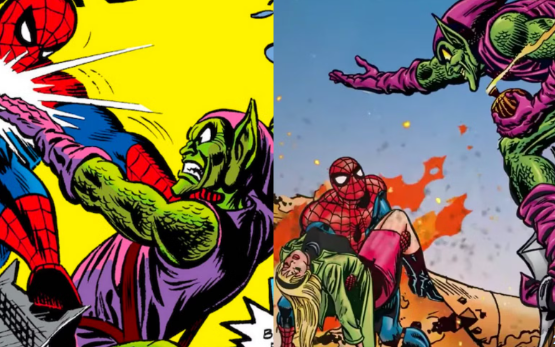
A hero is often defined by his villains, and Spider-Man possesses one of the most diverse and compelling “Rogues’ Galleries” in literature. From the megalomania of the Green Goblin to the tragic brilliance of Doctor Octopus, each villain serves as a thematic foil to Peter Parker. Many of his enemies are also men of science whose ambitions went unchecked by morality, highlighting what Peter could have become without his sense of responsibility.
Villains like the Vulture, Sandman, and Electro often represent the desperate or the downtrodden, making Spider-Man’s interactions with them more nuanced than simple “good versus evil” battles. He frequently tries to help his enemies find redemption or a cure for their conditions. This empathy is a hallmark of his character. He understands that many of his foes are victims of circumstance, just as he was a victim of a spider bite. By fighting these varied threats, Spider-Man showcases his versatility and his commitment to saving everyone—even those who don’t want to be saved.
5. The Urban Legend: New York City as a Character
You cannot have Spider-Man without New York City. The character is intrinsically tied to the geography of the five boroughs, specifically Queens and Manhattan. The soaring skyscrapers are not just a backdrop; they are the playground that facilitates his unique mode of travel. Spider-Man’s relationship with the city is complex; the citizens often oscillate between hailing him as a hero and fearing him as a “masked menace,” fueled by the editorials of the Daily Bugle.
The city acts as a living, breathing entity in his stories. Peter’s deep love for his home drives him to protect it at all costs. Whether he’s perched on a gargoyle atop the Chrysler Building or patrolling the rooftops of Forest Hills, the setting reinforces his “neighborhood” status. This specific sense of place gives his adventures a tangible reality. Readers feel they could turn a corner in NYC and catch a glimpse of a red-and-blue figure swinging by, bridging the gap between fantasy and reality.
6. The Dual Identity: The Burden of the Mask
Managing a secret identity is a staple of the genre, but for Peter Parker, it is a constant source of drama and tension. Maintaining the mask is not about protecting himself; it’s about protecting his loved ones, like Aunt May and Mary Jane Watson, from the retribution of his enemies. However, this secrecy often makes Peter look flaky, unreliable, or cowardly to those he cares about most. He has to miss birthdays, funerals, and job interviews to save the city, and he can never explain why.
This “mask as a burden” dynamic adds a layer of sacrifice to his heroism. Peter doesn’t just sacrifice his physical safety; he sacrifices his reputation and his relationships. He is often lonely, misunderstood by the public, and hounded by the media. Yet, he continues because the mission is more important than his personal happiness. This struggle explores the theme of integrity—doing the right thing even when you receive no credit for it, or even when you are actively punished for it.
7. The Evolution of the Suit: From Spandex to Armor
Spider-Man’s visual design is one of the most iconic in history. Created by Steve Ditko, the original costume—with its web-patterned red sections and sleek blue accents—was a radical departure from the caped heroes of the era. The full mask was a stroke of genius, as it allowed anyone, regardless of their race or appearance, to imagine themselves behind the lens. Over the years, the suit has evolved to meet new challenges, reflecting Peter’s growth and the changing nature of his threats.
Beyond the classic look, we have seen the sleek, alien black suit that eventually became Venom, the high-tech Iron Spider armor, and the various stealth suits designed for specific missions. Each iteration of the suit tells a story of adaptation. However, Peter almost always returns to the classic red-and-blues. This return to basics symbolizes his core identity: no matter how much tech he gains or how powerful he becomes, he is still just a kid from Queens trying to do his best.
8. The Supporting Cast: The People Behind the Hero
Spider-Man’s world is populated by a rich ensemble of characters who provide the emotional stakes for his adventures. Aunt May is the moral compass of his life, representing the innocence and kindness he fights to protect. Mary Jane Watson and Gwen Stacy provide the romantic heart of the series, showing the difficulties of loving someone who lives a life of constant danger. J. Jonah Jameson, the blustering editor of the Daily Bugle, provides a unique antagonistic force that isn’t physical, but social.
These characters are not just background noise; they are essential to Peter’s development. They challenge him, support him, and occasionally break his heart. The loss of Gwen Stacy, for instance, remains one of the most pivotal moments in comic history, teaching Peter (and the audience) that even a hero cannot save everyone. These relationships humanize Peter, reminding us that his life as a superhero is only half the story. His life as a nephew, a friend, and a lover is what gives his battles meaning.
9. The Spider-Verse: A Legacy Beyond One Man
In recent years, the concept of the “Spider-Verse” has expanded the mythos to include a vast array of individuals who carry the Spider-mantle. From the young Miles Morales in Brooklyn to the stoic Spider-Gwen from an alternate reality, the idea that “anyone can wear the mask” has been literalized. This expansion has reinforced the universal nature of the character’s themes. Whether it’s a noir detective from the 1930s or a futuristic hero from 2099, the core tenets remain: power and responsibility.
The Spider-Verse allows for a celebration of diversity and different perspectives within the same heroic framework. It proves that the “Spider-Man” identity is larger than just Peter Parker. It is a set of ideals that can be adopted by anyone willing to step up and face the darkness. This legacy ensures that the character will never become stagnant, as new voices and new versions of the hero continue to emerge, keeping the legend fresh and relevant for new generations.
10. The Cultural Impact: Why Spider-Man Matters Globally
Ultimately, Spider-Man matters because he represents the triumph of the human spirit over adversity. He is the underdog who never gives up. No matter how many times he is beaten down, outmatched, or heartbroken, he always gets back up. This resilience is a universal virtue that transcends borders. From toys and movies to street art and social movements, Spider-Man’s image is used as a shorthand for courage and the “everyman” hero.
He teaches us that our flaws do not disqualify us from being heroes. Peter Parker is anxious, impulsive, and often plagued by self-doubt, yet he is the gold standard of heroism in the Marvel Universe. He proves that being a hero isn’t about being perfect; it’s about being persistent. In a world that often feels overwhelming, Spider-Man serves as a reminder that we all have the power to make a difference in our own “neighborhoods,” provided we are willing to take on the responsibility that comes with it.
Further Reading
- Amazing Fantasy #15 by Stan Lee and Steve Ditko
- Spider-Man: Blue by Jeph Loeb and Tim Sale
- Kraven’s Last Hunt by J.M. DeMatteis and Mike Zeck
- The Amazing Spider-Man: Coming Home by J. Michael Straczynski
- Ultimate Spider-Man (Vol. 1) by Brian Michael Bendis and Mark Bagley