
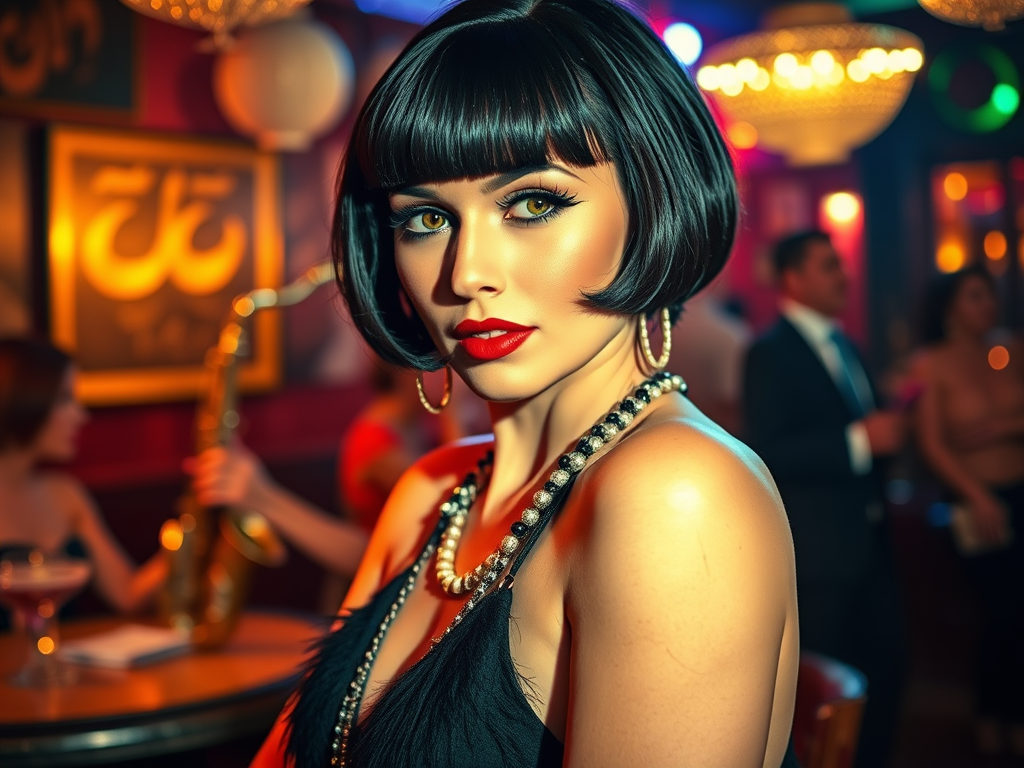
The 1920s, often dubbed the “Roaring Twenties” or the “Jazz Age,” was a decade of profound social, economic, and cultural transformation, particularly in Western countries like the United States and parts of Europe. Emerging from the shadow of World War I, a new sense of optimism, prosperity, and liberation swept through society. Technological advancements, a booming economy, and a loosening of traditional moral codes contributed to an unprecedented period of dynamism and change.
This era witnessed the widespread adoption of new inventions that revolutionized daily life, from the automobile to the radio, fundamentally altering how people worked, traveled, and entertained themselves. Urban centers boomed, becoming hubs of cultural innovation and social experimentation. Women, having played crucial roles during the war, gained new freedoms and challenged conventional norms, epitomized by the iconic “flapper.” The decade was characterized by a vibrant new culture, fueled by the infectious rhythms of jazz music, the allure of Hollywood films, and a burgeoning consumerism driven by mass production and advertising.
However, the Roaring Twenties was also a period of paradox and tension. Beneath the glittering surface of prosperity and social change lay deep societal divides, racial discrimination, and the unintended consequences of Prohibition, which fueled organized crime. The era’s exuberant excesses were ultimately unsustainable, culminating in the Wall Street Crash of 1929 and the onset of the Great Depression. Nevertheless, the 1920s left an indelible mark on history, shaping modern culture, fashion, and social attitudes, and forever changing the trajectory of the 20th century.
This article explores ten fascinating facts that defined life in the 1920s, offering a glimpse into the innovations, social shifts, and cultural phenomena that made the decade “roar.”
1. The Rise of the Flapper: A New Woman Emerges
Perhaps the most iconic symbol of the Roaring Twenties was the “flapper.” This new breed of young woman shattered traditional Victorian ideals of femininity, embracing a more liberated and rebellious lifestyle. Flappers wore shorter hemlines (often above the knee), bobbed their hair, used makeup openly, and discarded restrictive corsets for looser, more comfortable clothing. They frequented jazz clubs, smoked cigarettes in public, drank alcohol (despite Prohibition), and were more open about their sexuality and independence. The flapper embodied a rejection of rigid societal norms, a newfound sense of autonomy, and a desire to challenge the expectations placed upon women, reflecting the significant social changes occurring in the post-suffrage era.
2. Prohibition and Speakeasies: An Era of Illegal Indulgence
The 18th Amendment to the U.S. Constitution, which prohibited the manufacture, sale, and transportation of alcoholic beverages, went into effect in 1920. Intended to reduce crime and social problems, Prohibition had the opposite effect. It led to a dramatic increase in organized crime, as gangs like Al Capone’s Chicago Outfit made vast fortunes from illegal bootlegging. Thousands of “speakeasies” – illicit, hidden bars – sprang up across the country, serving illegal alcohol. These establishments often became vibrant cultural hubs, where people of different races and social classes mixed, listened to jazz, and indulged in the forbidden. Prohibition inadvertently fostered a culture of rebellion and disrespect for the law, demonstrating the difficulty of legislating morality.
3. The Jazz Age: America’s Original Art Form Takes Center Stage
The 1920s earned the moniker “The Jazz Age,” a testament to the profound cultural impact of this new musical genre. Originating in African American communities in New Orleans, jazz, with its syncopated rhythms, improvisation, and expressive melodies, spread rapidly throughout the country, particularly in urban centers. Musicians like Louis Armstrong, Duke Ellington, and Bessie Smith became national stars. Jazz music provided the soundtrack to the era’s social liberation, influencing dance crazes like the Charleston and becoming synonymous with the rebellious spirit of the flappers and the lively atmosphere of speakeasies. It was an early bridge between Black and mainstream American culture, though white performers often capitalized on its popularity, it laid the groundwork for future cultural integration.
4. Economic Boom and Consumerism: The Age of Prosperity
Following the end of World War I, the United States experienced unprecedented economic prosperity, often referred to as the “Coolidge Prosperity” (after President Calvin Coolidge). The nation’s wealth doubled, fueled by industrial innovation, efficient mass production techniques (like Henry Ford’s assembly line for the Model T), and a burgeoning consumer culture. New products like automobiles, radios, washing machines, and refrigerators became more affordable and accessible to the middle class. Advertising played a crucial role in stimulating demand, encouraging Americans to buy “on credit,” leading to a surge in consumer debt. This era of widespread consumerism and easily available goods fundamentally changed the American lifestyle, ushering in an age of material comfort for many, though not all, Americans.
5. Technological Revolutions: Cars, Radios, and Household Appliances
The 1920s was a decade of technological marvels that transformed daily life. The automobile, once a luxury, became widely accessible thanks to mass production; by 1929, nearly 27 million cars were registered in the U.S., leading to the construction of new roads, motels, and gas stations. The radio became the first mass broadcasting medium, bringing news, music, and entertainment directly into millions of homes, fostering a shared national culture. Household electrical appliances like vacuum cleaners, toasters, and refrigerators reduced domestic labor, particularly for women. These innovations significantly improved convenience, connectivity, and leisure opportunities, setting the stage for modern consumer society and profoundly impacting American life.
6. The Harlem Renaissance: A Cultural Explosion of Black Arts
The 1920s witnessed an extraordinary flourishing of African American culture, particularly in the Harlem neighborhood of New York City, known as the “Harlem Renaissance.” This intellectual, social, and artistic explosion celebrated Black identity, fostered racial pride, and challenged racial stereotypes. Writers like Langston Hughes, Zora Neale Hurston, and Claude McKay, artists like Aaron Douglas, and musicians like Duke Ellington created groundbreaking works that garnered national and international acclaim. The Harlem Renaissance was a pivotal moment in Black cultural history, providing a powerful platform for African American voices, shaping American literature and art, and influencing future generations of activists and artists in the ongoing struggle for civil rights and racial equality.
7. Changing Gender Roles and Women in the Workforce
While the flapper symbolized new social freedoms, the 1920s also saw significant shifts in women’s roles in the workforce. With the passage of the 19th Amendment in 1920 granting women the right to vote, women gained a new sense of political empowerment. Economically, more women entered office and service jobs, taking on roles as secretaries, typists, telephone operators, and department store clerks. While still facing discrimination and lower wages than men, this increased economic independence gave many women greater autonomy and contributed to the changing social landscape. The decade laid a crucial foundation for future advancements in women’s rights and challenged traditional notions of women’s place solely within the home.
8. Sports Heroes and Mass Entertainment: A New Age of Celebrity
The 1920s birthed the era of the modern sports hero and mass entertainment. With increased leisure time and disposable income, Americans flocked to sporting events and cinemas. Baseball stars like Babe Ruth became national icons, embodying the era’s larger-than-life spirit. Boxing, football, and other sports also gained immense popularity, creating a new class of celebrity athletes. Hollywood, powered by the burgeoning film industry, churned out silent movies featuring glamorous stars like Rudolph Valentino and Clara Bow, captivating audiences and shaping popular culture. Radio broadcasts brought live sports and music into homes, further fueling the fascination with celebrity and contributing to a shared national entertainment experience.
9. The Charleston and Dance Crazes: Expressing a New Freedom
The energetic and rebellious spirit of the Roaring Twenties was vividly expressed through dance. The Charleston, a fast-paced and exuberant dance characterized by swinging arms and kicking legs, became the quintessential dance of the era, popularized in jazz clubs and speakeasies. It was seen as a symbol of youth rebellion and a radical departure from more formal dance styles. Other popular dances included the Shimmy, the Foxtrot, and the Black Bottom. These dance crazes reflected the loosening of social inhibitions, a desire for spontaneous enjoyment, and a collective embrace of the carefree, energetic mood that defined much of the decade.
10. The Wall Street Crash of 1929: The End of an Era
The exuberant prosperity of the Roaring Twenties came to an abrupt and devastating halt with the Wall Street Crash of October 1929. Years of speculative buying “on margin” (borrowing money to buy stocks) had inflated a massive stock market bubble. On Black Thursday (October 24) and Black Tuesday (October 29), the market plummeted, wiping out billions of dollars in wealth. The crash triggered a banking crisis, widespread business failures, and mass unemployment, ushering in the Great Depression, the longest and most severe economic downturn in modern history. The crash served as a stark reminder of the underlying economic fragility and marked the end of the carefree, prosperous era of the 1920s, fundamentally reshaping global economies and societies for the next decade.
The Roaring Twenties, despite its eventual tragic end, remains a captivating period in history—a decade of unprecedented change, vibrant culture, and a bold embrace of modernity that continues to fascinate and influence our understanding of the 20th century.
Further Reading
- Only Yesterday: An Informal History of the 1920s by Frederick Lewis Allen
- The Great Gatsby by F. Scott Fitzgerald (A classic novel that captures the essence and excesses of the Jazz Age)
- Jazz by Toni Morrison (Explores the complexities of African American life and culture during the Harlem Renaissance)
- Flaming Youth: The Jazz Age, the Flapper, and the New Woman by Nancy A. Smith
- Last Call: The Rise and Fall of Prohibition by Daniel Okrent
Here at Zentara.blog, our mission is to take those tricky subjects and unlock them, making knowledge exciting and easy to grasp for everyone. But the adventure doesn’t stop on this page! We’re constantly exploring new frontiers and sharing discoveries across the digital universe. Want to dive deeper into more mind-bending Top 10s and keep expanding your world? Come join us on our other platforms – we’ve got unique experiences waiting for you on each one!
Get inspired by visual wonders and bite-sized facts: See the world through Zentara’s eyes on Pinterest!
Pin our fascinating facts and stunning visuals to your own boards. Explore Pins on Pinterest: https://uk.pinterest.com/zentarablog/
Discover quick insights and behind-the-scenes peeks: Hop over to Tumblr for snippets, quotes, and unique content you won’t find anywhere else. It’s a different flavour of discovery! Follow the Fun on Tumblr: https://www.tumblr.com/zentarablog
Ready for deep dives you can listen to or watch? We’re bringing our accessible approach to video and potentially audio! Subscribe to our YouTube channel and tune into future projects that make learning pop! Subscribe on YouTube: https://www.youtube.com/@ZentaraUK
Seeking even more knowledge in one place? We’ve compiled some of our most popular topic deep dives into fantastic ebooks! Find them on Amazon and keep the learning journey going anytime, anywhere. Find Our Ebooks on Amazon: https://www.amazon.co.uk/s?k=Zentara+UK&ref=nb_sb_noss
Connect with us and fellow knowledge seekers: Join the conversation on BlueSky! We’re sharing updates, thoughts, and maybe even asking you what wonders we should explore next. Chat with Us on BlueSky: https://bsky.app/profile/zentarablog.bsky.social
Perfect for learning on the move! We post multiple 10-minute podcasts per day on Spotify. Pop on your headphones and fill your day with fascinating facts while you’re out and about! Listen on Spotify: https://open.spotify.com/show/3dmHbKeDufRx95xPYIqKhJ
Follow us on Instagram for bytesize knowledge! We post multiple posts per day on our official Instagram account. https://www.instagram.com/zentarablog/ Every click helps us keep bringing honest, accessible knowledge to everyone. Thanks for exploring with us today – see you out there in the world of discovery!




Leave a Reply