
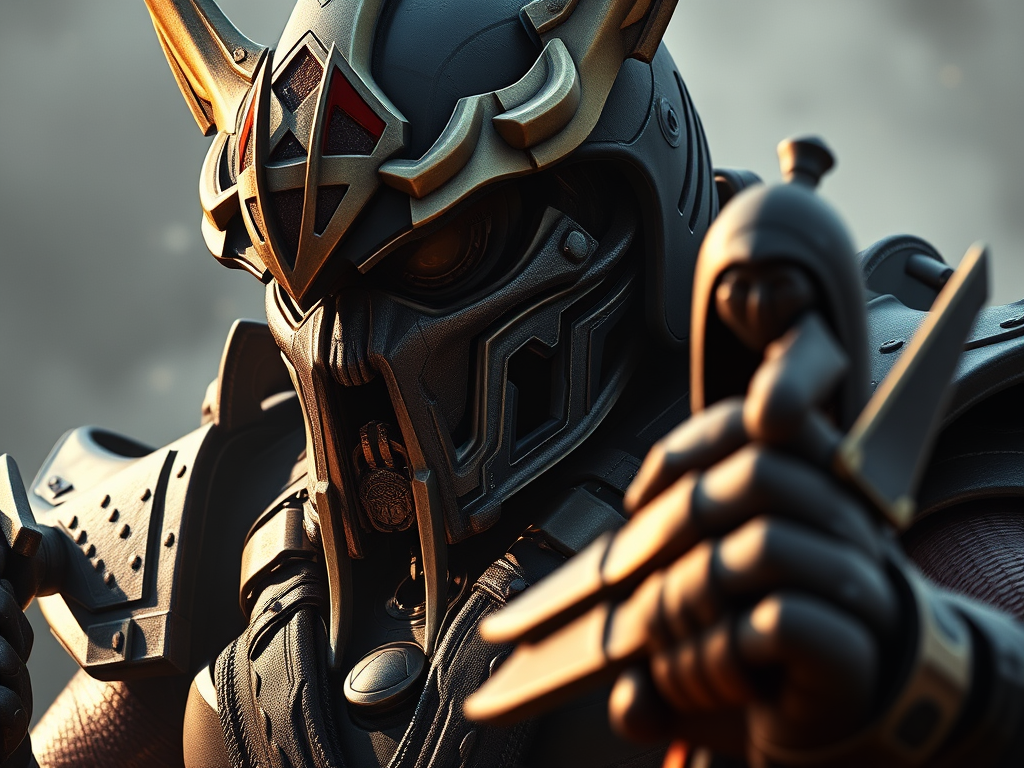
Long before the Marvel Cinematic Universe dominated the box office, there was a struggle to translate the visceral, button-mashing excitement of video games into the world of cinema. In 1995, Mortal Kombat defied the “video game movie curse,” delivering a film that balanced martial arts spectacle with a pulsing techno soundtrack. Based on the controversial, blood-soaked game series by Ed Boon and John Tobias, the Mortal Kombat movie franchise has seen high-flying success, campy cult failures, and a gritty modern resurgence. Whether it’s the original tournament in the 90s or the fatalities of the 2021 reboot, the journey of Earthrealm’s defenders is a fascinating story of pop culture adaptation and survival. Here are 10 facts you likely didn’t know about the battle for the fate of our world.
1. The Original Goro was a $1 Million Mechanical Nightmare
In the 1995 film, the four-armed Shokan warrior Goro was brought to life not through computer graphics, but via a massive, complex animatronic puppet. Created by Tom Woodruff Jr. and Alec Gillis of Amalgamated Dynamics, the suit cost over $1 million and required a team of puppeteers to operate. One person was inside the legs and lower arms, while several others controlled the upper arms and facial expressions via remote control.
The puppet was notoriously temperamental. It frequently broke down on set, and at one point, its eyes actually fell out during a shoot. Because it was so loud and mechanical, the dialogue for Goro had to be dubbed in later. Despite these behind-the-scenes hurdles, the physical presence of Goro gave the film a tangible, weighty threat that many fans argue looks better than the CGI versions of the character seen in later installments. This dedication to practical special effects is a hallmark of why the first film remains a cherished cult classic.
2. Johnny Cage’s Casting Chaos and the Brandon Lee Connection
The role of the cocky Hollywood actor Johnny Cage went through several high-profile shifts before Linden Ashby was cast. Originally, the role was offered to martial arts legend Brandon Lee. Tragically, Lee passed away during the filming of The Crow before production on Mortal Kombat began. The role was also reportedly offered to Jean-Claude Van Damme (who turned it down to do the Street Fighter movie) and Tom Cruise.
Linden Ashby eventually won the role and performed many of his own stunts, despite not being a trained martial artist at the start. He even suffered a cracked rib during the fight with Scorpion. This casting history serves as a reminder of how the Mortal Kombat movie history could have looked very different. Ashby’s comedic timing ended up being perfect for the film’s tone, turning Johnny Cage into the “everyman” hero that helped ground the supernatural martial arts elements of the story.
3. The Iconic Theme Song Wasn’t Originally for the Movie
It is impossible to think of Mortal Kombat without hearing the “Techno Syndrome” track by The Immortals, famous for the high-pitched shout of “MORTAL KOMBAT!” However, this song wasn’t actually composed for the 1995 film. It was originally created for the home console release of the video game (specifically the Sega CD) a couple of years prior.
The film’s director, Paul W.S. Anderson, recognized the energy of the track and insisted it be used for the movie’s marketing and opening. The song became a massive hit, eventually being certified Platinum. It transformed the movie from a standard action flick into a “multimedia event.” The track is an example of perfect sound design synergy, where a piece of music becomes so synonymous with an IP (Intellectual Property) that it is used in almost every iteration of the franchise, including the 2021 Mortal Kombat reboot.
4. The 2021 Reboot Introduced a Character Who Doesn’t Exist in the Games
When the 2021 Mortal Kombat movie was announced, fans were surprised to learn that the protagonist would be a brand-new character named Cole Young. Played by Lewis Tan, Cole is an MMA fighter who discovers he is a descendant of Scorpion. This was a controversial move, as the franchise has dozens of beloved established characters who could have led the film.
The writers explained that they needed an “audience surrogate”—someone who was completely new to the Mortal Kombat lore so that the rules of the tournament could be explained naturally to the viewers. While some purists were unhappy with the inclusion of an original character, it allowed the filmmakers to explore the concept of “Arcana”—the inner power that grants characters their special abilities. This decision reflects the challenges of cinematic storytelling in established universes, where creators must balance fan service with the needs of a broader, general audience.
5. Cameron Diaz was the Original Sonya Blade
Before Bridgette Wilson-Sampras stepped into the combat boots of Sonya Blade, the role belonged to a then-rising star: Cameron Diaz. Diaz had been cast and had already begun martial arts training for the film. However, shortly before filming was set to begin, she broke her wrist during a training session and had to drop out.
Bridgette Wilson-Sampras was cast at the very last minute and literally flew to the set in Thailand the day after she was hired. Because she missed the weeks of fight choreography training, she had to learn her stunts on the fly, often on the morning of the shoot. Her commitment to the role, despite the lack of preparation, is a testament to the “high-stakes” nature of independent film production. This “what if” casting is one of the most famous bits of Mortal Kombat movie trivia.
6. The 2021 Film’s “Fatalities” Were a Rating Battle
One of the biggest criticisms of the 1995 film and its sequel, Annihilation, was the lack of “Fatalities”—the gruesome finishing moves that made the games famous. Because the 90s films were PG-13, the violence had to be significantly toned down. For the 2021 reboot, director Simon McQuoid was determined to deliver an R-rated experience that honored the game’s bloody roots.
The production team worked closely with stunt coordinators to ensure the Fatalities looked like they were pulled straight from the screen. This resulted in some of the most graphic practical and digital effects in modern action cinema, such as Kung Lao’s hat-saw and Kano’s heart-rip. The move paid off, as fans praised the film for finally embracing the “extreme” nature of the source material. This shift shows how audience expectations for adaptations have evolved toward a desire for “authenticity” over broad commercial appeal.
7. Scorpion and Sub-Zero: The Practical Costume Challenges
In the original 1995 film, the costumes for Scorpion and Sub-Zero were nearly identical, reflecting their “palette swap” origins in the early games. However, wearing those masks and heavy padding in the humid jungles of Thailand was a nightmare for the actors and stuntmen. The masks frequently caused fogged-up vision, and the heat led to several performers nearly fainting.
In the 2021 film, the designers moved away from the “ninja pajamas” look, opting for intricate armor design that reflected the characters’ feudal Japanese and Chinese backgrounds. Scorpion’s armor was made to look like it was forged in the Netherrealm, while Sub-Zero’s looked like ancient, frozen plate mail. This attention to visual world-building helped elevate the characters from “game sprites” to “mythical warriors,” a key factor in making a fantasy world feel grounded and believable.
8. Mortal Kombat: Annihilation and the “Too Much” Syndrome
While the first film was a hit, the 1997 sequel Mortal Kombat: Annihilation is often cited as one of the worst sequels ever made. The film suffered from a “more is better” approach, trying to cram over 20 new characters into a 90-minute runtime. This led to underdeveloped plots and notoriously poor CGI (especially the “Animality” transformations at the end).
The failure of Annihilation effectively killed the franchise for over 20 years. It serves as a cautionary tale in Hollywood franchise management: just because you have the rights to a character doesn’t mean they belong in every movie. The film’s poor reception actually forced the creators to rethink how to tell Mortal Kombat stories, eventually leading to the successful Mortal Kombat: Legacy web series and the eventual 2021 big-screen return. It proves that narrative focus is more important than a large roster of characters.
9. Real Martial Artists vs. Hollywood Actors
The Mortal Kombat films have always walked a fine line between hiring “names” and hiring “fighters.” In the 2021 reboot, there was a concerted effort to cast actors who were also accomplished martial artists. Joe Taslim (Sub-Zero) is a world-class judoka and action star, while Hiroyuki Sanada (Scorpion) is a legend of Japanese cinema with decades of sword-fighting experience.
Having real fighters allows for longer takes and wider shots, as the director doesn’t have to hide a stunt double with quick cuts. This creates a more immersive and “visceral” experience for the viewer. The fight between Scorpion and Sub-Zero in the 2021 film’s prologue is widely considered the highlight of the movie, largely because the actors could actually perform the complex movements required. This commitment to action choreography is what separates the modern era of the franchise from the campy style of the 90s.
10. The 2025 Future: Mortal Kombat 2 and Beyond
As of June 12, 2025, the franchise is entering a new golden age. A direct sequel to the 2021 film, Mortal Kombat 2, is currently one of the most anticipated action releases. The sequel is set to introduce fan-favorite characters like Johnny Cage (played by Karl Urban) and Kitana, and it promises to finally depict the actual “Mortal Kombat Tournament” that was teased in the first film.
Furthermore, the franchise has expanded into highly successful animated films under the Mortal Kombat Legends banner. This transmedia expansion ensures that the series remains relevant across different demographics. With the advancements in high-frame-rate filming and the enduring popularity of the games, the Mortal Kombat movie franchise has successfully “resurrected” itself, proving that with the right balance of gore, lore, and martial arts, Earthrealm will always be worth defending.
Further Reading
- Mortal Kombat: The Movie – The Official Novelization by “Martin Delrio” (James D. Macdonald) – A fun look at the 95 film’s expanded scenes.
- The History of Mortal Kombat by various authors – A deep dive into the development of the games and their transition to film.
- Practical Effects in the Digital Age by Robert Smith – Uses the original Goro as a case study for mechanical puppetry.
- Game On! The History of Video Game Movies by Chris Taylor – Contextualizes why Mortal Kombat succeeded where others failed.
Keep the Discovery Going!
Here at Zentara, our mission is to take tricky subjects and unlock them, making knowledge exciting and easy to grasp. But the adventure doesn’t stop at the bottom of this page. We are constantly creating new ways for you to learn, watch, and listen every single day.
📺 Watch & Learn on YouTube
Visual learner? We publish 4 new videos every day, plus breaking news shorts to keep you smarter than the headlines. From deep dives to quick facts, our channel is your daily visual dose of wonder.
Click here to Subscribe to Zentara on YouTube
🎧 Listen on the Go on Spotify
Prefer to learn while you move? Tune into the Zentara Podcast! We drop a new episode daily, perfect for your commute, workout, or coffee break. Pop on your headphones and fill your day with fascinating facts.
Click here to Listen on Spotify
Every click, view, and listen helps us keep bringing honest knowledge to everyone. Thanks for exploring with us today—see you out there in the world of discovery!




Leave a Reply