
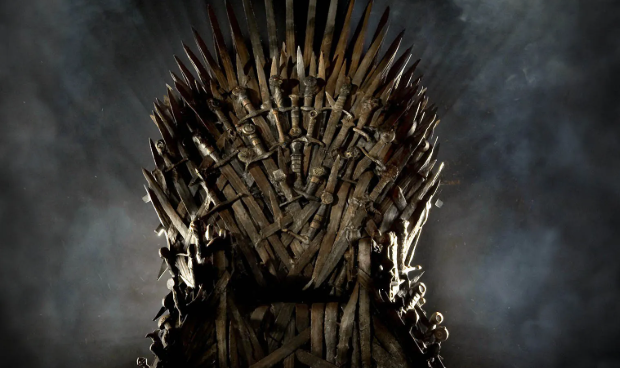
Beyond the Iron Throne: 10 Jaw-Dropping Game of Thrones Secrets Only True Maesters Know
The land of Westeros captured the global imagination with its brutal politics, fire-breathing dragons, and a chilling threat from the frozen north. While millions watched the epic struggle for the Iron Throne unfold, the layer of detail woven into the production—from the ink on the maps to the chemistry between actors—is deeper than the Narrow Sea. To truly understand the phenomenon, one must look behind the curtain of the Great Houses. Whether you are a casual viewer or a scholar of the Citadel, these surprising facts reveal the sheer scale of the labor and the happy accidents that defined a cultural era.
1. The Night’s Watch and the Secret of the IKEA Capes
One of the most relatable yet shocking secrets of the production involves the rugged, heavy furs worn by the brothers of the Night’s Watch. To keep the sworn protectors of the Realm warm in the bitter cold of the Wall, the costume department didn’t always rely on high-end luxury textiles. Instead, they utilized Skold and Ludde rugs from IKEA.
The process wasn’t as simple as tossing a rug over an actor’s shoulders. The costume designers cut, shaved, and dyed the sheepskin rugs to make them look like worn, weathered pelts that had survived years of frost and grime. They were then heavily distressed with wax and sandpaper to ensure they didn’t look like something found in a modern living room. This ingenious use of everyday items demonstrates the “practical magic” of high-budget filmmaking, proving that even the most formidable warriors in Westeros owe a bit of their aesthetic to affordable home Swedish decor.
2. Peter Dinklage Was the Only Choice for Tyrion Lannister
In the world of casting, it is standard practice to audition hundreds of actors for a lead role. However, for the role of Tyrion Lannister, George R.R. Martin and the showrunners had a “shortlist” that consisted of exactly one name: Peter Dinklage. There were no auditions, no backups, and no “Plan B.”
Dinklage initially had reservations about joining a fantasy series. He was wary of the tropes often associated with little people in the genre, such as long beards and pointed shoes. Once he was assured that Tyrion was a complex, romantic, and deeply flawed human being rather than a fantasy caricature, he signed on. His performance became the emotional heartbeat of the series, earning him more individual accolades than any other cast member. This casting decision was arguably the most pivotal moment in the show’s history, as it grounded the fantastical elements in raw, human intellect and wit.
3. The Heart of the Dragon: Daenerys and the Giant Gummy Bear
One of the most visceral scenes in the early stages of the story involves Daenerys Targaryen consuming a raw stallion’s heart to prove her strength to the Dothraki. While it looked revoltingly realistic on screen, the “heart” was actually a massive, three-pound mass of solidified jam and pasta.
Emilia Clarke has described the experience as a grueling endurance test. The prop was designed to have a texture similar to a “giant, raw gummy bear,” but it was infused with dried pasta to mimic the crunch of arteries. To make matters worse, the sticky fake blood acted like glue, causing the actress to get stuck to various objects on set—including toilet seats—during breaks. The look of disgust on her face during that scene wasn’t just great acting; it was a genuine physical reaction to consuming pounds of sugary, leathery chemical concoction over numerous takes.
4. A Linguist Built Dothraki and Valyrian From Scratch
Many fantasy shows use “gibberish” for fictional languages, but the creators of this series wanted total immersion. They hired linguist David J. Peterson to develop fully functional languages for the Dothraki and the citizens of Essos. Peterson didn’t just create a few phrases; he built complete grammatical structures and vocabularies of thousands of words.
The Dothraki language was designed to reflect the culture of the horse-lords, lacking words for “toilet” or “book” but having dozens of terms related to horses and warfare. High Valyrian, conversely, was crafted to sound like “Latin”—an ancient, prestige language of scholars and conquerors. The dedication to linguistic accuracy was so high that cast members had to learn the proper rhythm and inflection, ensuring that even a native speaker (if one existed) would find the dialogue consistent. This level of detail added a layer of realism that helped the show transcend the boundaries of typical television.
5. The Bizarre Origin of the Dragon Screeches
Creating the sound of a creature that doesn’t exist requires a high degree of auditory creativity. To give the dragons their unique, soul-piercing shrieks and low rumbles, the sound design team turned to the animal kingdom, but not in the way you might expect. The sounds of the dragons were a “chimera” of various animals, including tortoises, birds, and dragonflies.
Specifically, the “purring” sound that the dragons make when interacting with Daenerys was created using recordings of tortoises mating. The sound designers found that the rhythmic, vocal nature of the tortoises provided a primal, organic quality that felt both alien and familiar. For the more aggressive roars, they layered the sounds of screaming birds and hissing snakes. This auditory patchwork ensured that the dragons felt like living, breathing biological entities rather than digitized sound effects, making their presence on screen much more intimidating.
6. Sophie Turner Adopted Her Direwolf in Real Life
The bond between the Stark children and their direwolves was a cornerstone of the story’s early themes. While the wolves were eventually rendered through CGI as they grew to massive proportions, the first season used Northern Inuit dogs. When the character of Sansa Stark lost her wolf, Lady, the dog playing her, named Zunni, was left without a job.
Sophie Turner, who played Sansa, had formed an unbreakable bond with Zunni during filming. Despite her family never having a dog before, she campaigned to adopt her canine co-star. The production allowed the adoption, and Zunni lived out her days as a beloved member of the Turner household. This real-life “happy ending” stands in stark contrast to the tragic fate of the direwolves in the story, proving that sometimes the best parts of a production happen after the cameras stop rolling.
7. Jack Gleeson Received a Letter from George R.R. Martin
Joffrey Baratheon is widely considered one of the most hated villains in television history. This is a testament to the incredible acting of Jack Gleeson, who portrayed the boy-king with a chilling blend of cowardice and cruelty. Gleeson’s performance was so effective that even the creator of the universe, George R.R. Martin, felt compelled to reach out.
After the first episode aired, Martin sent Gleeson a brief, tongue-in-cheek letter that simply said: “Congratulations, everyone hates you!” It was the ultimate praise for an actor playing an antagonist. Interestingly, despite playing a monster on screen, Gleeson was known by the cast and crew as one of the kindest and most soft-spoken people on set. He eventually stepped away from acting to pursue academia, leaving behind a legacy as the character we all loved to loathe.
8. The “Battle of the Bastards” Used 500 Extras and Zero CGI Crowds
In an era where most large-scale battles are created using digital “clones” to fill out an army, the production of the “Battle of the Bastards” opted for old-school realism. The sequence involved 500 choreographed extras who were trained to form shield walls and engage in complex hand-to-hand combat.
To make the chaos feel authentic, the production didn’t just rely on the 500 men; they brought in 70 horses, which are notoriously difficult to coordinate on film sets. The mud was real, the blood was plentiful, and the claustrophobic “crush” sequence where characters were buried under a mountain of bodies was filmed with actual actors piled on top of one another. The result was a visceral, terrifying depiction of medieval warfare that felt tangible because, for the most part, the elements on screen were physically present.
9. Ramsay Bolton Almost Played Jon Snow
It is difficult to imagine anyone other than Kit Harington playing the brooding, honorable Jon Snow. However, during the initial casting process, Iwan Rheon (who eventually played the villainous Ramsay Bolton) was a finalist for the role of the Bastard of Winterfell.
The producers were so impressed with Rheon’s talent that when the role of Ramsay came up in later seasons, they offered it to him without hesitation. This creates a fascinating “what if” scenario for fans. While Rheon brought a terrifying, twitchy energy to Ramsay, one wonders how his intensity would have translated to the stoic hero Jon Snow. Ultimately, the casting worked out perfectly, as both actors became synonymous with their respective roles, representing the two polar opposite paths a “Northern bastard” could take.
10. The Pilot Episode Was a Total Disaster
Before the show became a worldwide phenomenon, it almost failed before it even began. The original pilot episode, which was never aired, was described by those who saw it as a “train wreck.” Crucial plot points were unclear; for example, test audiences didn’t even realize that Jaime and Cersei Lannister were brother and sister, which made their relationship confusing rather than scandalous.
The creators had to re-shoot nearly 90% of the pilot, re-casting key roles in the process (including Catelyn Stark and Daenerys Targaryen). They changed the costumes, clarified the relationships, and tightened the pacing. This massive gamble by the network to fund a “do-over” saved the series. If they hadn’t recognized the potential beneath the flaws of the original pilot, the world might never have seen the version of the story that eventually changed the landscape of television forever.
Further Reading
- Fire & Blood by George R.R. Martin
- The World of Ice & Fire: The Untold History of Westeros by George R.R. Martin, Elio M. García Jr., and Linda Antonsson
- The Art of Game of Thrones by Deborah Riley
- Inside HBO’s Game of Thrones by Bryan Cogman
- 10 Things You Didnt Know About Logans Run (1976)
- Podcast Episode: Classic Films And Horror Icons
- 10 Things You Didnt Know About The Fifth Element (1997)
- 10 Things You Didnt Know About 2001 A Space Odyssey (1968)
- 10 Futurama TV SHOW Facts That Still Hold Up
- 10 Avatar (2009) Facts That Changed Cinema – Classic Movie
- 10 Essential Facts About Predator (1987) – Movie Facts
- 10 Surprising Game Of Thrones Facts You Might Not Know
- A Newcomer’s Guide to Star Trek: Where to Start and What to Know
- Stranger Things – Season 4 Full Recap and Spoilers Explained



