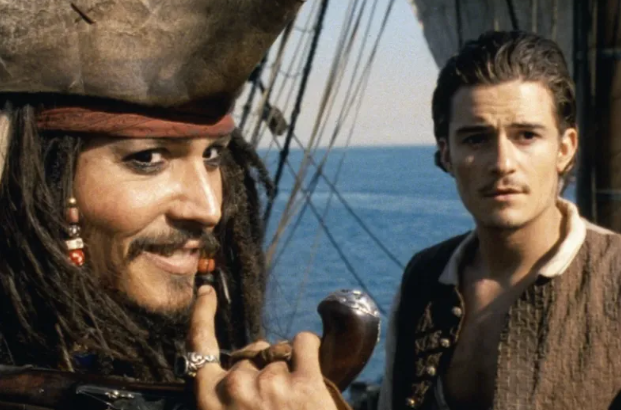
The salt spray, the creak of timber, and the haunting refrain of a cello—few cinematic experiences have captured the global imagination quite like the Pirates of the Caribbean franchise. What began as a risky gamble based on a decades-old theme park attraction evolved into a cultural juggernaut that redefined the “swashbuckler” genre for a new generation. While most fans can quote Captain Jack Sparrow’s witty one-liners, the depth of the lore and the sheer complexity of the production remain hidden beneath the surface like buried treasure. To truly appreciate the craftsmanship behind the Black Pearl, one must look past the visual effects and into the creative alchemy that turned a pirate “curse” into cinematic gold.
This exploration delves into the mechanics of the storytelling, the historical threads woven into the fiction, and the behind-the-scenes transformations that nearly didn’t happen. From the eccentricities of its lead actors to the revolutionary technology used to bring sea monsters to life, these facts offer a comprehensive look at the legacy of the high seas. Whether you are a casual viewer or a seasoned maritime enthusiast, these insights will change the way you view the horizon.
1. The Audacious “Ride-to-Screen” Gamble
The transition from a Disneyland boat ride to a multi-billion-dollar film franchise is often viewed as a stroke of genius today, but at the time of its inception, it was considered a massive professional risk. Before the first film debuted, the industry was skeptical of “theme park movies,” especially after previous attempts had failed to find an audience. The challenge lay in creating a narrative structure for an attraction that was essentially a series of vignettes. The screenwriters had to invent a coherent mythology—introducing the concept of Aztec gold and the supernatural curse—to provide a high-stakes emotional core that the original ride lacked. This creative leap bridged the gap between mechanical animatronics and living, breathing characters, setting a new standard for how intellectual property could be adapted across different mediums.
2. The Unconventional Genesis of Captain Jack Sparrow
Johnny Depp’s portrayal of Captain Jack Sparrow is legendary, but his creative choices initially terrified the studio executives. Eschewing the traditional “Errol Flynn” style of a clean-cut hero, Depp drew inspiration from an unlikely duo: Rolling Stones guitarist Keith Richards and the cartoon character Pepe Le Pew. He envisioned a pirate who had spent too much time under the sun and on the swaying deck of a ship, resulting in a permanent “sea leg” stagger and slurred, rhythmic speech. Executives reportedly questioned if the character was drunk or mentally unstable, even fearing that Depp was “ruining the movie.” However, his insistence on this eccentric, rock-star persona provided the franchise with its unique heartbeat, proving that a flawed, unpredictable anti-hero was exactly what the genre needed to feel fresh.
3. Practical Mastery of the Black Pearl
While modern cinema often leans heavily on digital environments, the production of the early films leaned into practical effects to ground the fantasy in reality. The Black Pearl herself was not merely a CGI asset; several versions of the ship were built to facilitate filming. For many scenes, a massive 170-foot steel hull was constructed and topped with a detailed wooden structure to serve as the functional vessel. This allowed the actors to experience the physical reality of being on the water, which translated into more authentic performances. The interplay between the physical ships and the Caribbean environment created a sense of “tactile history,” where the wood looked weathered and the sails looked stained by brine, ensuring the world felt lived-in rather than manufactured.
4. The Real-World “Pirate Code” Inspiration
The “Pirate Code” mentioned frequently in the films—often referred to as “more like guidelines than actual rules”—is rooted in historical fact. Real pirates of the “Golden Age” did indeed operate under articles of agreement that governed behavior, the division of loot, and compensation for injuries. The film’s inclusion of the Pirata Codex compiled by Morgan and Bartholomew reflects the actual historical figures Henry Morgan and Bartholomew Roberts. By anchoring the supernatural plot points in these historical echoes, the writers created a world that felt anchored in reality. This blend of “Tall Tales” and historical maritime law allowed the films to educate the audience on pirate democracy and discipline while maintaining a whimsical, adventurous tone.
5. A Soundtrack Composed Against the Clock
The iconic theme, “He’s a Pirate,” is synonymous with adventure, yet its creation was a frantic race against time. The original composer had a limited window to deliver the score, leading to a collaboration where themes were developed in a matter of days. The music needed to balance the dark, gothic elements of a ghost story with the high-octane energy of an action film. The result was a percussion-heavy, driving orchestral sound that departed from the more “regal” maritime music of older Hollywood films. The score uses minor keys to evoke danger, but the upbeat tempo ensures the audience feels the thrill of the chase. This musical identity became so potent that it is now instantly recognizable, serving as a masterclass in how a score can define a franchise’s brand.
6. Echoes of the Original Attraction
For eagle-eyed fans, the films are littered with visual and auditory tributes to the original Disney theme park ride. The famous scene involving a dog holding the keys to a jail cell while prisoners try to lure it with a bone is a direct recreation of a classic animatronic tableau from the attraction. Furthermore, the lyric “Yo Ho, Yo Ho, a pirate’s life for me” and phrases like “Dead men tell no tales” were integrated into the script to honor the source material. These “Easter eggs” serve a dual purpose: they provide nostalgia for those who grew up visiting the parks, and they weave a sense of “legendary permanence” into the films, suggesting that the story we see on screen is part of a larger, older mythos.
7. The Revolutionary Detail of Costume and Prop Design
The “look” of the franchise is defined by its commitment to grit and detail. Jack Sparrow’s famous tricorne hat, for instance, had to be made out of rubber for several scenes because Johnny Depp kept losing the leather versions overboard during filming. Additionally, the gold teeth worn by Jack Sparrow were not just temporary prosthetics; Depp actually had a dentist implant several gold caps into his own teeth to ensure they didn’t fall out during action sequences. This level of commitment extended to every extra and background prop, with costumes being “distressed” using cheese graters and dirt to ensure nothing looked like a costume-shop rental. This meticulous attention to detail is why the films maintain a timeless quality, as the textures feel organic and historically plausible.
8. Navigating the Logistics of Island Filming
Filming in the actual Caribbean presented a set of challenges that would have sunk a lesser production. The crew often had to contend with unpredictable weather and the logistical nightmare of transporting hundreds of people and heavy equipment to remote islands like St. Vincent. Because many of the locations lacked modern infrastructure, the production functioned like a traveling circus, bringing in everything from portable power grids to catering for thousands. The commitment to using real horizons and authentic tropical light, rather than shooting entirely on a soundstage in Los Angeles, gave the films their breathtaking scope. The natural beauty of the Grenadines provided a scale that CGI struggle to replicate, grounding the supernatural elements in a tangible, sun-drenched reality.
9. Davy Jones and the Motion Capture Revolution
The character of Davy Jones represents a watershed moment in the history of visual effects. Rather than using a prosthetic mask, which would have limited the actor’s facial expressions, the production utilized “Imocap” (Image-based motion capture). This allowed Bill Nighy to perform on set alongside his co-stars while wearing a gray tracking suit, with his entire tentacled face being rendered digitally later. The result was a character that looked entirely inhuman yet possessed a soulfully expressive performance. The technical achievement of Davy Jones’ skin looking wet and his tentacles moving independently was so advanced that it remains a benchmark for digital character design, proving that technology could enhance, rather than replace, a great actor’s performance.
10. Revitalizing a “Dead” Cinematic Genre
Before the Black Pearl sailed into theaters, the pirate movie was considered “box office poison.” High-profile failures in the 1990s had led many to believe that the swashbuckling genre was a relic of a bygone era that modern audiences didn’t care for. Pirates of the Caribbean proved that the genre wasn’t dead; it just needed a metamorphosis. By injecting elements of supernatural horror, witty comedy, and complex character morality, the franchise moved beyond the “black and white” heroics of the 1940s. It created a “New Mythic” style of filmmaking that showed audiences still craved adventure on the high seas, provided it was served with a modern sensibility. Its success paved the way for a resurgence in fantasy adventure, proving that no genre is truly gone as long as there is a new story to tell.
Further Reading
- The Republic of Pirates by Colin Woodard
- Empire of Blue Water by Stephan Talty
- Under the Black Flag: The Romance and the Reality of Life Among the Pirates by David Cordingly
- Pirates of the Caribbean: The Curse of the Black Pearl – The Visual Companion by Rita Magliuzzi
- 10 Fascinating Home Alone Facts You Probably Missed – Classic Movie Lore
- 10 Fascinating Finding Nemo Facts You Probably Missed – Classic Movie Lore
- 10 Fascinating Pirates of the Caribbean Facts You Probably Missed – Classic Movie Lore
- 10 Fascinating Hidden Details in Indiana Jones and the Temple of Doom You Probably Missed
- 10 Fascinating Clash Of The Titans (1981) Facts You Probably Missed – Classic Movie Lore
- 10 Fascinating Dark Crystal Facts (1982) You Probably Missed – 80s Classic Movie Lore
- 10 Things You Should Know About The Rambo Movie Franchise
- The Marvel Blueprint: 10 Genius Ways the MCU Mastered the Art of the Interconnected Universe
- Infinite Realities: The Ultimate Guide to the MCU’s Multiverse Saga and What Lies Beyond the Sacred Timeline
- From Stones to Stars: The Ultimate Guide to the Infinity Saga and How It Changed Cinema Forever