
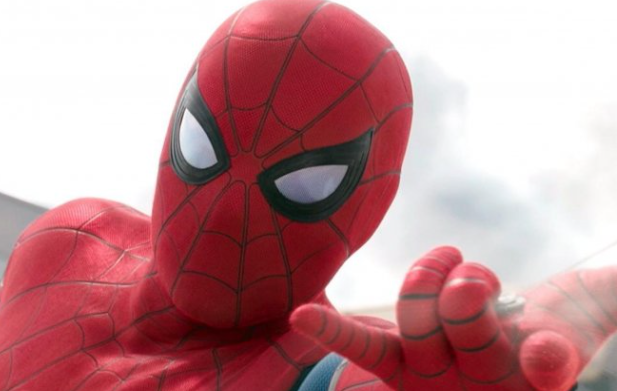
The Spectacular Evolution: 10 Essential Truths Every Fan Must Know About the MCU’s Spider-Man
For decades, the image of a red-and-blue wall-crawler swinging through the canyons of Manhattan has been a cornerstone of global mythology. However, when the Marvel Cinematic Universe (MCU) finally introduced its own iteration of Peter Parker, the character underwent a transformation that was both revolutionary and deeply rooted in the classic themes of responsibility and growth. This version of Spider-Man, portrayed with youthful exuberance and gymnastic precision, has become a linchpin of the most successful film franchise in history.
To understand this Peter Parker is to understand a young man caught between the heavy legacy of billionaire superheroes and the humble streets of Queens. He is a character defined by his desire to “be more” while struggling with the very human cost of that ambition. Whether you are a newcomer to the MCU or a seasoned veteran of the “multiversal” madness, navigating this hero’s journey requires an appreciation for the unique corporate deals, mentorships, and sacrifices that define him. Here are the ten fundamental pillars of the MCU’s spectacular Spider-Man.
1. The Historic Corporate Handshake: The Sony-Marvel Partnership
Before the first web was ever spun in this universe, a complex business miracle had to occur. While Marvel Studios built its sprawling cinematic universe, the film rights to Spider-Man remained with Sony Pictures. This created a peculiar situation where the world’s most popular superhero was technically “locked out” of his own neighborhood. The eventual agreement to share the character was unprecedented in Hollywood history. It allowed Peter Parker to interact with the Avengers while Sony maintained ownership and distribution rights for his solo films.
This partnership is why this version of Spider-Man feels so integrated yet distinct. It allowed for a version of Peter who grows up in a world already populated by gods and monsters. For fans, this means his story isn’t just about fighting crime; it’s about his place in a larger ecosystem of heroes. This deal redefined how franchises operate, proving that creative collaboration can overcome even the most rigid legal boundaries. Every time you see Spider-Man standing alongside Captain America or Iron Man, you are witnessing the result of a “multiversal” business pact that changed the landscape of modern cinema forever.
2. Skipping the Spider-Bite: A Bold Narrative Choice
One of the most striking departures in this iteration is the decision to skip the traditional origin story. Most audiences are intimately familiar with the radioactive spider and the tragic loss of Uncle Ben. The creators made a conscious choice to trust the audience’s knowledge, introducing Peter Parker as a hero who had already been operating in secret for several months. By the time we meet him, he is already wearing a goggles-and-sweatshirt “homemade suit” and stopping petty crimes in Queens.
This choice allowed the narrative to hit the ground running. Instead of spending an entire film on the mechanics of his powers, the story focuses on his evolution from a local vigilante to an international hero. While Uncle Ben is never explicitly named in the early films, his presence is felt in Peter’s moral compass and his sense of duty. This “in-media-res” introduction makes the character feel more organic to the world; he is a natural byproduct of a world where extraordinary things happen every day. It respects the fan’s intelligence and allows for a fresher exploration of what it actually means to be a “neighborhood” superhero in a world of billionaires.
3. The Stark Mentorship and the Father-Son Dynamic
If the traditional Spider-Man is defined by the absence of a father figure, the MCU version is defined by the presence of a very complicated one: Tony Stark. From the moment Iron Man recruits him for an airport skirmish in Germany, their relationship becomes the emotional spine of the character’s first major arc. Tony provides Peter with the technology and the platform to succeed, but he also imposes a set of expectations that the teenager often struggles to meet.
This mentorship serves as a fascinating mirror for Peter’s growth. Tony sees in Peter the “best version” of himself—a genius with a pure heart who hasn’t yet been jaded by the world. For Peter, Tony represents the pinnacle of heroism, a standard he desperately wants to emulate. This dynamic shifts the “with great power comes great responsibility” mantra into a more modern context: “If you’re nothing without the suit, then you shouldn’t have it.” The loss of this mentor later forces Peter to step out of the shadow of Iron Man and find his own voice as a leader, transforming a relationship of dependency into a legacy of independent courage.
4. High-Tech Weaponry vs. The Homemade Spirit
In this universe, the “web-head” is as much a scientist as he is an athlete. Because of his connection to Stark Industries, this Peter Parker has access to a level of technology rarely seen in previous iterations. His suits are often equipped with artificial intelligence, multiple “web-shooter” settings, and even parachute systems. These gadgets are not just for show; they reflect Peter’s intellectual curiosity and his ability to master complex systems.
However, the films consistently emphasize that the man makes the suit, not the other way around. Some of Peter’s most triumphant moments occur when his technology fails him and he is forced to rely on his own strength and ingenuity. Whether he is lifting rubble while wearing a simple cotton hoodie or building his own gadgets from “scrap” in a high-tech lab, his core identity remains that of a “DIY” hero. This balance between cutting-edge tech and raw human grit defines the character’s aesthetic. He represents the intersection of the “Billionaire Genius” era of the Avengers and the grounded, blue-collar reality of the people he protects.
5. The “Home” Trilogy and the Architecture of Adolescence
The solo films in this series are uniquely structured around the theme of “Home.” This isn’t just a naming convention; it represents Peter’s evolving relationship with his environment and his identity. In the first installment, he is desperate to leave his “home” in Queens for the grand stage of the Avengers. In the second, he takes his heroism on the road to Europe, discovering that he cannot escape his responsibilities even when he is far from his familiar surroundings.
The final chapter of this trilogy represents the ultimate loss of “home”—both physically and metaphorically. These stories function as a long-form “coming of age” tale. Unlike other superheroes who arrive on the scene as fully formed adults, we watch this Peter Parker make mistakes, deal with awkward high school romances, and face the consequences of his youthful impulsivity. By the end of the trilogy, the character has transitioned from a boy protected by mentors and friends to a man who understands that true heroism often requires standing alone. It is one of the most comprehensive and emotionally resonant character arcs in the history of the genre.
6. Aunt May: The Moral Compass and Modern Matriarch
In the MCU, May Parker is reimagined as a younger, more vibrant, and socially active figure. While she remains Peter’s primary guardian, her role evolves from a secondary character to be protected into the literal moral anchor of his life. She is the one who encourages his altruism and pushes him to help those who have been forgotten by the system. This version of May is acutely aware of Peter’s secret identity, creating a unique dynamic of mutual support and shared secrets.
Her influence reaches its peak when she reminds Peter that “with great power, there must also come great responsibility.” In this universe, she takes on the role traditionally held by Uncle Ben, becoming the catalyst for Peter’s final transition into adulthood. Her legacy isn’t just about caretaking; it’s about the radical idea that heroes have a duty to help everyone, even their enemies. This shift gives the character a more contemporary feel and emphasizes that Peter’s heroism is a family trait. Her death becomes the defining tragedy of his life, stripping away his last safety net and forging him into the solitary protector he was always destined to be.
7. Grounded Villains with Relatable Motives
One of the strengths of this Spider-Man era is its selection of antagonists. Rather than being “monsters of the week” or cosmic threats, Peter’s primary villains are often the “discarded” people of the MCU. The Vulture is a blue-collar worker who feels cheated by the system; Mysterio is a disgruntled employee seeking the fame he feels he was denied. These villains are direct results of the actions of the “greater” heroes, making Peter the one who has to clean up the messes left by the Avengers.
This creates a sense of thematic consistency. Peter is often fighting people who, in another life, he might have actually liked or respected. This complicates his battles, as he frequently tries to save or rehabilitate his enemies rather than just defeating them. Even when he faces multiversal threats from other realities, his primary goal is “healing” them. This empathetic approach to villainy sets him apart from more aggressive heroes and highlights his core belief in the value of every human life. His rogues’ gallery serves as a series of cautionary tales about what happens when genius is not tempered by the humility and responsibility that Peter works so hard to maintain.
8. The Fragility of the Secret Identity
For most of his history, Peter Parker’s greatest struggle has been keeping his dual life a secret. In the MCU, this tension is taken to its breaking point. Early on, his best friend Ned discovers his secret, followed by his aunt, and eventually his love interest, MJ. This creates a “Team Spidey” dynamic that provides a sense of community but also raises the stakes. When the secret is finally revealed to the entire world, the fallout is catastrophic, affecting the college prospects and safety of everyone he loves.
The public unmasking serves as a commentary on the modern age of information and the loss of privacy. It forces Peter to confront the reality that he cannot have it both ways; he cannot be a celebrated Avenger and a private citizen at the same time. This leads to the most desperate act of his career: a magical spell to make the world forget who he is. The tragedy of this solution is that it works too well. By protecting his friends’ futures, he erases himself from their lives. The “secret identity” is no longer just a plot device; it becomes the ultimate sacrifice he must make to ensure the safety of the people he loves.
9. Multiversal Connectivity and the Legacy of the Mask
This version of Spider-Man is the first to officially acknowledge and interact with his cinematic predecessors. Through the collapse of the multiverse, Peter Parker meets alternate versions of himself who have faced similar tragedies and triumphs. This isn’t just fan service; it’s a profound exploration of what makes Spider-Man a universal constant. By standing alongside these “brothers,” the MCU’s Peter learns that his pain is shared and that his path—though difficult—is righteous.
These interactions provide him with the closure and perspective he couldn’t get from his Avengers mentors. The older Peters offer advice that only someone who has “worn the mask” can give. This multiversal convergence solidifies the idea that while every Peter Parker is different, they are all bound by the same destiny of loss and service. It elevates the character from a single hero into a mythic archetype. For the audience, it was a moment of unprecedented cinematic history, weaving decades of storytelling into a single, cohesive narrative that honored the past while propelling the MCU’s Peter into a bold, independent future.
10. The Fresh Start: A Return to the “Neighborhood” Roots
By the conclusion of his first major trilogy, the MCU’s Spider-Man has undergone a total reset. He has lost his billionaire funding, his high-tech suits, his mentor, his family, and even the memories of his best friends. He ends his story exactly where many fans believe he belongs: in a small, cramped apartment in New York City, sewing his own costume from scratch and listening to a police scanner. He is no longer “Iron Man Junior”; he is truly, finally, the Friendly Neighborhood Spider-Man.
This “fresh start” is perhaps the most important thing to know about him. It represents a return to the character’s core essence—the lone hero struggling to pay rent while doing the right thing. He is now a figure of the shadows, unremembered by the world but more committed than ever to his mission. This transition ensures that the character remains evergreen. He has been stripped of the “extra” trappings of the MCU and returned to the fundamental struggle that made him a favorite in the comics since 1962. He is the hero who loses everything but keeps swinging, proving that his greatest power isn’t the spider-bite or the technology, but his refusal to give up on his neighborhood.
Further Reading
- Marvel Masterworks: The Amazing Spider-Man, Vol. 1 by Stan Lee and Steve Ditko
- The Art of Spider-Man: No Way Home by Will Corona Pilgrim
- Spider-Man: Blue by Jeph Loeb and Tim Sale
- The Marvel Cinematic Universe: An Official Timeline by Anthony Breznican, Amy Ratcliffe, and Rebecca Theodore-Vachon
- Marvel Cinematic Universe – 10 Things You Need To Know About The MCU’s Spider-Man (MCU) Explained
- The Marvel Blueprint: 10 Genius Ways the MCU Mastered the Art of the Interconnected Universe
- Infinite Realities: The Ultimate Guide to the MCU’s Multiverse Saga and What Lies Beyond the Sacred Timeline
- From Stones to Stars: The Ultimate Guide to the Infinity Saga and How It Changed Cinema Forever
- Earth’s Mightiest Heroes: The Ultimate Guide to the Avengers and Why They Rule the MCU
- The Genius Behind the Armor: 10 Defining Secrets of the MCU’s Iron Man Explained
- 10 Things You Need To Know About The Movie Iron Man 3 (2013)
- 10 Things You Need To Know About The Movie The Avengers (2012)
- 10 Things You Need To Know About Captain America: The First Avenger (2011)
- 10 Things You Need To Know About Thor (2011)



