
Ever since it first flickered onto television screens, American Horror Story (AHS) has redefined what it means to be scared in the comfort of your own living room. Created by the visionary duo Ryan Murphy and Brad Falchuk, the series didn’t just bring horror back to the mainstream; it gave it a sophisticated, “prestige” makeover. Imagine a world where the elegance of a classic Hollywood drama meets the visceral, bone-chilling terror of a midnight slasher flick. That is the essence of this series. It is a show that invites you to peek through your fingers, offering a decadent buffet of gore, camp, and psychological depth that keeps audiences coming back year after year.
What makes this show truly unique is its ability to evolve. It is not a single story, but a vast, interconnected universe of nightmares. For the uninitiated, the show can seem like a daunting labyrinth of characters and timelines, but at its heart, it is a deeply human exploration of fear. It takes the things that keep us up at night—ghosts, cults, witches, and the monsters that live next door—and examines them through a lens of American history and mythology. Whether you are a seasoned horror veteran or a curious newcomer, understanding the DNA of this show is essential to appreciating its place in the modern cultural pantheon. Let’s step into the darkness and explore the ten pillars that define this iconic anthology.
1. The Revolutionary Anthology Format
Before this show emerged, the standard television model involved a single narrative arc spanning multiple years. American Horror Story shattered this mold by popularizing the “seasonal anthology” format. Every season serves as a self-contained miniseries, complete with its own beginning, middle, and end. This means that each year, viewers are transported to a completely different setting and time period—from a haunted house in the suburbs to a high-fashion coven in New Orleans or a terrifying asylum in the 1960s.
This structure is a major reason for the show’s enduring success. It allows the creators to take massive creative risks without being tethered to the previous year’s plot. If a season focuses on a 1980s slasher vibe, the next can pivot to a slow-burn political thriller. For the audience, this provides a “fresh start” every time the credits roll on a new premiere. It also prevents the narrative fatigue that often plagues long-running dramas. You don’t necessarily need to have seen every episode from the beginning to jump into a new season, making it one of the most accessible yet complex shows on television.
2. The Iconic Repertory Cast System
One of the most fascinating “magic tricks” of the show is its use of a repertory cast. Instead of hiring an entirely new group of actors for every new story, the show frequently brings back its core ensemble to play wildly different characters. An actor who portrays a sensitive teenage ghost in one season might return the next as a sadistic serial killer or a glamorous, high-powered executive. This creates a unique “meta” experience for the viewer, as they get to watch world-class performers showcase their range in ever-shifting roles.
Names like Sarah Paulson, Evan Peters, and Jessica Lange have become synonymous with the brand, often delivering performances that earn them critical acclaim and major awards. This system fosters a sense of familiarity amidst the chaos; even when the setting is terrifying and the plot is brand new, there is a comfort in seeing a familiar face, even if that face is now hidden behind prosthetic makeup. This approach has turned the cast into a tight-knit “acting troupe” that fans follow with intense loyalty, eagerly anticipating who each favorite performer will “become” when a new theme is announced.
3. Chilling Real-Life Historical Inspirations
While the show is filled with supernatural elements like aliens and vampires, much of its most effective horror is rooted in reality. The writers often mine the darker chapters of history to find inspiration for their characters and plots. For instance, the infamous “Black Dahlia” murder, the terrifying experiments of Nazi doctors, and the legendary voodoo queen Marie Laveau have all found their way into the show’s narrative. By blending historical fact with supernatural fiction, the show creates a “hyper-reality” that feels both grounded and surreal.
In one notable season, the show features a socialite who famously tortured those she enslaved in 19th-century New Orleans. In another, it explores the mysterious disappearance of the Roanoke colony. By utilizing these real-life touchstones, the show taps into collective cultural fears and true-crime fascinations. It reminds the audience that the monsters of our imaginations are often less frightening than the monsters that actually walked among us. This historical depth gives the series a weight and gravitas that sets it apart from more superficial horror offerings, turning it into a dark reflection of the American psyche.
4. The Hidden Web of Interconnectivity
For the first few years of its run, the show was marketed as a series of completely unrelated stories. However, as the seasons progressed, the creators began to drop subtle hints—and eventually glaring revelations—that every season takes place within the same fictional universe. This “shared universe” aspect has turned the show into a giant puzzle for fans to solve. A character from a season about a freak show might reappear years later in a story about a mental institution, revealing a previously unknown backstory.
This interconnectivity adds a layer of “Easter egg” hunting to the viewing experience. It rewards long-term fans for their attention to detail while adding richness to the mythology. These connections can be as small as a shared last name or as large as a full-blown “crossover” season where characters from different eras meet to battle a common enemy. This web of stories suggests that there is a grand, overarching design to the horror, creating a sense of scale that makes the world of the show feel vast and lived-in. It transforms the show from a simple collection of stories into a sprawling modern epic.
5. A Love Letter to Classic Horror Tropes
The series functions as a vibrant, bloody love letter to the entire horror genre. Each season usually leans into a specific “sub-genre” of horror, paying homage to the films and books that came before it. You can see the DNA of Rosemary’s Baby in one storyline, the “found footage” aesthetic of The Blair Witch Project in another, and the neon-soaked slasher vibes of the 1980s in yet another. The show doesn’t just copy these tropes; it deconstructs and subverts them for a modern audience.
By playing with these established “rules” of horror, the show keeps the audience on their toes. Just when you think you know how a “haunted house” story is supposed to end, the writers pull the rug out from under you. This encyclopedic approach to the genre makes the series a treat for horror aficionados, who can spot the references to classic cinema, while providing a comprehensive “Horror 101” for beginners. It celebrates the history of being scared, proving that even the oldest tropes can be made new and terrifying again with the right amount of imagination and style.
6. The Artistic Power of Opening Credits
In an era where many viewers choose to “skip intro,” the opening credits of American Horror Story are considered “must-watch” television. Each season features a unique title sequence that acts as a standalone piece of avant-garde horror art. Using a jarring, industrial remix of the show’s signature theme music, these credits use rapid-fire, surreal imagery to hint at the themes and scares of the upcoming episodes. Whether it’s flickering shadows, unsettling medical instruments, or distorted figures, the intros are designed to put the viewer in a state of unease before the story even begins.
The creators treat these sequences with as much care as the episodes themselves, often hiring specialized designers to create a visual language for the season. These credits do more than just list the cast; they establish the “vibe.” A season about a cult might feature masks and political symbols, while a season about an asylum might focus on cold stone walls and straightjackets. By the time the title card appears, the show has already bypassed your logic and gone straight for your nervous system, ensuring that you are fully immersed in the nightmare from the very first second.
7. Sharp Social and Political Commentary
Beyond the jump scares and the blood splatter, the series is deeply invested in social commentary. The show often uses the lens of horror to examine contemporary anxieties and historical injustices. It has tackled themes such as the marginalization of “outsiders,” the corrupting nature of power, the complexities of motherhood, and the fractured state of modern politics. By placing these real-world issues in a fantastical or horrific context, the show allows for a visceral exploration of topics that might otherwise feel too “heavy” for standard drama.
In one season, the “monsters” are simply ordinary people driven to extremes by fear and tribalism after a divisive election. In another, the horror stems from the institutional abuse of those deemed “unfit” by society. This willingness to engage with the “horror of the headlines” gives the show a biting, intellectual edge. It suggests that while ghosts and demons are scary, the ways in which we treat one another are often the most terrifying things of all. This layer of meaning ensures that the show resonates on a psychological level, staying with the viewer long after the supernatural threats have been defeated.
8. The “AHS” Aesthetic: Camp, Gore, and Glamour
One of the defining characteristics of the show is its unmistakable “aesthetic.” It is a show that is deeply “campy”—meaning it embraces an over-the-top, theatrical style that is both self-aware and deadly serious. The costumes are often high-fashion, the cinematography is lush and saturated, and the dialogue is frequently sharp and “quotable.” This glamour provides a striking contrast to the extreme gore and body horror that the show is known for. It is a world where a character can give a devastating monologue about loss while wearing a designer gown, only to be brutally attacked moments later.
This “Gothic Glamour” is a hallmark of the Ryan Murphy brand. The show refuses to be “gritty” in the traditional sense; instead, it is polished, stylized, and visually arresting. The sets are meticulously designed to be as much a character as the actors, whether it’s the decaying grandeur of a New Orleans mansion or the neon-lit hallways of a haunted hotel. This blend of the beautiful and the grotesque creates a “fever dream” quality that is addictive to watch. It proves that horror doesn’t have to be ugly to be effective; in fact, the beauty of the show often makes the horror feel even more invasive.
9. Pop Culture Icons and Musical Cameos
The series has a knack for incorporating pop culture icons in ways that feel both surprising and inevitable. It isn’t unusual for a world-famous pop star to take on a leading role, or for a legendary rock musician to make a ethereal cameo. These guest appearances aren’t just for “shock value”; the performers are often given meaty, complex roles that allow them to subvert their public personas. When a singer known for “glamour” plays an ancient, blood-drinking countess, or a “soulful” vocalist appears as a mythical figure, it adds a layer of “event television” to the series.
Music also plays a vital role in the storytelling. The show is famous for its “musical moments,” where characters might break into a haunting cover of a classic song or perform an elaborate dance number in the middle of a nightmare. These moments of levity or surrealism help to balance the darkness, providing a brief respite before the next wave of terror. This integration of music and celebrity culture makes the show feel like a vibrant part of the modern zeitgeist, bridging the gap between “niche” horror and “mainstream” entertainment.
10. The Legacy of Iconic Villains
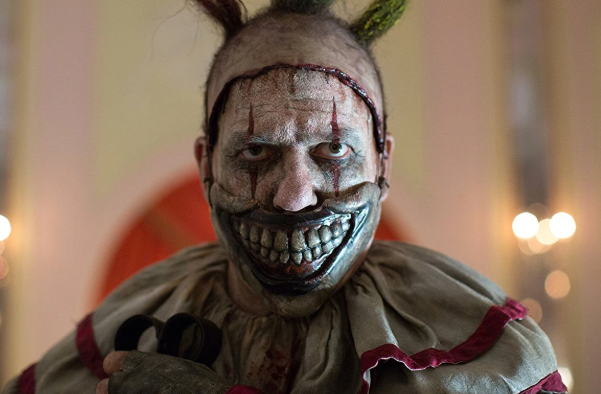
Every great horror story needs a great villain, and American Horror Story has provided an entire gallery of them. From the “Rubber Man” of the first season to the heartbreakingly terrifying “Twisty the Clown,” the show excels at creating antagonists that are as visually striking as they are psychologically disturbing. These villains often become instant icons, inspiring countless Halloween costumes and fan theories. However, what makes them truly effective is that they are rarely “one-dimensional” monsters.
The writers often give their villains tragic backstories or understandable motivations, making them uncomfortably human. You might find yourself pitying a character who has committed unspeakable acts once you understand the trauma that shaped them. This moral ambiguity is a key part of the show’s DNA. It forces the audience to confront the idea that “good” and “evil” aren’t always easy to distinguish. By creating villains who are complex, charismatic, and terrifyingly relatable, the show ensures that its nightmares linger in the mind far longer than a simple “jump scare” ever could.
Further Reading
- American Horror Story and Philosophy: Life Is but a Nightmare by Richard Greene and Rachel Robison-Greene
- The Philosophy of Horror: Or, Paradoxes of the Heart by Noël Carroll
- Monsters in America: Our Historical Obsession with the Hideous and the Haunting by W. Scott Poole
- The Art of Horror: An Illustrated History by Stephen Jones
- 10 The Exorcist III (1990) Movie Facts You Didn’t Know
- 10 Scream (1996) Movie Facts That Changed Horror
- 10 Hostel (2005) Movie Facts That Shocked Viewers
- 10 Hellraiser (1987) Movie Facts That Built Its Legacy
- 10 Candyman (1992) Movie Facts That Still Give Chills
- 10 Essential Facts About The Texas Chainsaw Massacre (1974)
- 10 Essential Facts That Explain the World of The Walking Dead TV Show
- From – Season 1 Full Recap and Spoilers Explained
- 10 Things You Should Know About The Thing (1982) – Movie Facts and Hidden Details
- 10 Fascinating Supernatural Facts You Probably Missed – TV Show Lore



