
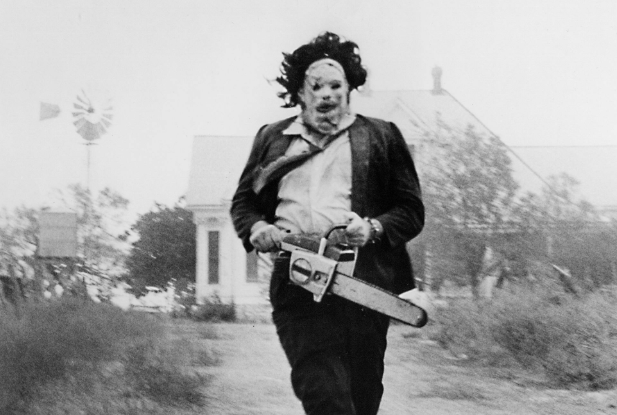
Beyond the Saw: 10 Terrifying Secrets You Didn’t Know About The Texas Chainsaw Massacre
The landscape of modern cinema changed forever when a small, independent film from Austin, Texas, slashed its way into theaters. While the title suggests a relentless bloodbath, the reality of this masterpiece is far more nuanced, psychological, and technically brilliant than its “slasher” reputation implies. It is a film that transformed the horror genre, moving it away from gothic castles and monsters in capes toward the gritty, sweaty reality of backwoods terror.
To understand this cinematic phenomenon is to look into the heart of independent filmmaking at its most raw. It wasn’t just a movie; it was a grueling test of endurance for everyone involved. From the scorching Texas sun to the psychological toll of the production, the story behind the camera is often just as harrowing as the one on the screen. Whether you are a seasoned horror aficionado or a curious newcomer, these ten essential facts will peel back the layers of skin on one of the most significant films ever made.
1. The Chilling Reality of the Ed Gein Inspiration
While the film’s marketing famously claimed the events were based on a true story, the narrative is largely a work of fiction. However, the core of the nightmare is rooted in the gruesome crimes of Ed Gein, the “Plainfield Ghoul.” Gein was a Wisconsin man whose penchant for exhuming corpses and crafting household items out of human remains sent shockwaves through the American psyche.
Unlike the Sawyer family, Gein was a solitary figure, but his macabre “crafts”—such as lampshades made of skin and bowls made of skulls—provided the direct visual inspiration for the set dressing in the film. Tobe Hooper and Kim Henkel used Gein’s pathology to create a sense of grounded, domestic horror. By placing these atrocities in a farmhouse that looked otherwise normal from the outside, the filmmakers tapped into a deep-seated fear of what happens behind closed doors in rural isolation. This connection to reality, however loose, gave the film an instructional weight that made audiences feel they were watching something that could happen, rather than a mere fantasy.
2. The Grueling Endurance of a 100-Degree Shoot
Filming in the heart of a Texas summer is a feat of strength; filming a horror movie inside a house with no air conditioning and intense studio lights is a descent into madness. The production of this classic was notorious for its abysmal conditions. Temperatures inside the primary filming location regularly climbed above 100 degrees Fahrenheit, creating a literal pressure cooker for the cast and crew.
The heat wasn’t just uncomfortable; it was transformative. The sweat seen on the actors’ faces isn’t a spray bottle of glycerin; it is genuine physical exhaustion. To make matters worse, the set was filled with real animal carcasses and rotting meat used for set decoration. Under the sweltering heat and the intense movie lights, these props began to decompose, creating an unbearable stench that led to frequent vomiting among the crew. This visceral, disgusting environment contributed heavily to the raw, unhinged performances of the actors, who weren’t just acting like they were in a nightmare—they were living in one.
3. The Industrial Dread of the Sound Design
One of the most overlooked aspects of the film’s terror is its revolutionary soundscape. Eschewing a traditional orchestral score, Tobe Hooper and Wayne Bell created a cacophony of industrial noise, animalistic squeals, and metallic scraping. This “musique concrète” approach ensures that the audience never feels safe, even when nothing is happening on screen.
The sound of the film functions like a panic attack. It uses discordant frequencies and the constant, rhythmic drone of the chainsaw to bypass the viewer’s logic and trigger a primal fight-or-flight response. Analogies can be drawn to the sounds of a slaughterhouse, which was a deliberate choice by the creators to dehumanize the victims and emphasize the “meat” theme of the story. By removing melodic comfort, the sound design forces the viewer into a state of sensory overload. This auditory assault is a primary reason why the film remains so effective; it doesn’t just show you horror, it makes you hear the sound of the world breaking.
4. The Masterful Illusion of Gratuitous Violence
Perhaps the most surprising fact about this legendary “slasher” is how little gore it actually contains. Because of the title, many viewers misremember the film as a crimson-soaked splatter-fest. In reality, Tobe Hooper was aiming for a “PG” rating and kept most of the actual violence off-screen or obscured through clever editing and framing.
The genius of the film lies in the power of suggestion. When a character is placed on a meat hook, the camera never shows the hook piercing the skin; it shows the character being lowered, then cuts to a close-up of a tub catching the blood. Your mind fills in the gaps, creating a version of the scene that is far more graphic than what was actually filmed. This psychological trickery makes the movie feel more violent than it is, allowing it to bypass some censorship hurdles while still leaving a permanent scar on the viewer’s imagination. It is a masterclass in “less is more,” proving that what you don’t see is often much scarier than what you do.
5. Gunnar Hansen’s Method Approach to Leatherface
Gunnar Hansen, the poet and scholar who portrayed the iconic Leatherface, brought an unexpected depth to the role. Rather than playing the character as a mindless killing machine, Hansen viewed Leatherface as a man with a severe intellectual disability who was entirely under the thumb of his abusive family. To prepare for the role, Hansen visited a mental health facility to study the movements and vocalizations of the patients, aiming to capture a sense of frantic, confused energy.
Hansen’s Leatherface is a “big baby” who kills out of fear and domestic duty rather than malice. This interpretation is most evident in the “pretty woman” mask worn during the dinner scene, representing the character’s attempt to dress up for a formal family occasion. Hansen’s physicality—the heavy breathing, the frantic swaying, and the “chainsaw dance” at dawn—turned a potential caricature into a tragic, terrifying figure of cinematic history. His performance established the template for the “masked killer,” yet few who followed him managed to capture the same level of pathetic, jittery humanity.
6. The 26-Hour Marathon of the Dinner Scene
The climactic dinner scene is widely regarded as one of the most intense sequences in cinema. What many don’t realize is that it was filmed in a single, grueling 26-hour session. Because the production was running out of money and the actors were in high demand, the director pushed the cast through a marathon shoot that blurred the lines between acting and actual psychological breakdown.
By the time the sun rose, the actors were delirious. The smell of rotting food on the table was so pungent that several cast members had to run outside to breathe between takes. Marilyn Burns, who played Sally, was subjected to genuine terror as her co-stars, also exhausted and unhinged, began to lean into their roles with a bit too much realism. At one point, when a prop failed to produce fake blood, a real cut was made to Burns’ finger to keep the scene moving. The wide-eyed, screaming mania seen on screen is the result of genuine sleep deprivation and environmental stress, making it one of the most authentic depictions of a breakdown ever captured on film.
7. A Low-Budget Masterpiece of Independent Film
The film is a testament to what can be achieved with limited resources and immense creativity. Shot on 16mm film (which gave it its signature grainy, documentary-like look), the production had a minuscule budget that forced the crew to innovate at every turn. Many of the props were found in trash heaps or donated by local businesses, and the “human remains” were often a mix of animal bones and latex.
The low budget actually worked in the film’s favor. The 16mm format provided a “found footage” aesthetic long before the term was popularized, making the movie feel like a newsreel from a nightmare. Because they couldn’t afford expensive special effects, they relied on atmosphere, pacing, and tension. The financial constraints dictated a lean, mean narrative structure that leaves no room for fluff. It serves as a permanent inspiration for indie filmmakers, proving that a compelling vision and a dedicated (if exhausted) crew can outweigh a multi-million-dollar studio budget.
8. The Political and Social Subtext of the 1970s
While it works perfectly as a pure horror film, it is also a sharp piece of social commentary reflecting the anxieties of its era. Set against the backdrop of an oil crisis and a shifting American landscape, the movie explores the clash between the urban elite and the “forgotten” rural working class. The Sawyer family can be seen as victims of industrialization; they were slaughterhouse workers rendered obsolete by new machinery.
Their turn to cannibalism is a dark metaphor for a society that has “run out of gas” and begun to eat itself. The hitchhiker’s disdain for the new, “humane” methods of killing cattle reflects a bitterness toward a world that no longer has a place for his family’s skills. By framing the villains as a perverted version of the American nuclear family, the film held up a mirror to the societal decay of the time. This depth of subtext is what elevates it from a mere “scary movie” to a significant cultural artifact that continues to be studied by scholars today.
9. Marilyn Burns and the Birth of the “Final Girl”
Marilyn Burns’ performance as Sally Hardesty redefined what it meant to be a female lead in a horror film. While she spends much of the film’s final act screaming, her performance is a grueling display of physical and emotional stamina. She isn’t a passive victim; she is a survivor who endures unimaginable psychological torture before making her desperate escape.
The “Final Girl” trope—the last woman standing who outlasts the killer—was solidified by Sally. Her escape, covered in blood and laughing hysterically in the back of a pickup truck, is one of the most iconic images in cinema. It captures the pyrrhic victory of survival: she lived, but she will never be the same. Burns’ commitment to the role involved doing many of her own stunts, including jumping through a real sugar-glass window and running through thick brush that left her covered in actual scratches and bruises. Her raw portrayal provided the emotional anchor the film needed to make the horror feel personal.
10. The Legacy of the Chainsaw Dance
The film’s ending is perhaps the most poetic and haunting conclusion in the genre. As the sun rises over the Texas horizon, Leatherface, having lost his prey, begins to swing his chainsaw in a frantic, beautiful, and terrifying “dance” of frustration. This wasn’t a scripted sequence of choreography; it was a moment of pure physical expression by Gunnar Hansen that captured the essence of the character.
The “chainsaw dance” symbolizes the futility and madness at the heart of the story. There is no traditional “justice,” no police showing up to save the day, and no final confrontation where the monster is slain. Instead, the monster remains in his environment, a part of the landscape itself. This lack of resolution was revolutionary for its time and left audiences with a lingering sense of unease. It cemented the film’s status as a work of art rather than just a commercial product, ensuring that the image of the saw silhouetted against the morning sky would remain burned into the collective consciousness of moviegoers forever.
Further Reading
- Chain Saw Confidential: How We Made the World’s Most Notorious Horror Movie by Gunnar Hansen
- The Texas Chain Saw Massacre Companion by Stefan Jaworzyn
- Shocking Truth: The Real Story of the Texas Chainsaw Massacre by Kim Henkel (Documentary/Source Material)
- Dark Carnival: The Texas Chain Saw Massacre and the Politics of the 1970s by Various Academic Contributors
- Podcast Episode: Classic Films And Horror Icons
- 10 The Exorcist III (1990) Movie Facts You Didn’t Know
- 10 Scream (1996) Movie Facts That Changed Horror
- 10 The Lion King (1994) Facts That Made It Iconic – Classic Movie
- 10 Forrest Gump (1994) Facts That Make It Timeless – Classic Movie
- 10 Fight Club (1999) Facts That Still Surprise Fans – Classic Movie
- 10 Hostel (2005) Movie Facts That Shocked Viewers
- 10 Avatar (2009) Facts That Changed Cinema – Classic Movie
- 10 Hellraiser (1987) Movie Facts That Built Its Legacy
- 10 Jurassic Park (1993) Facts That Changed Movies Forever – Classic Movie



