From Bankruptcy to Bel-Air: 10 Shocking Secrets Behind The Fresh Prince’s Iconic Success
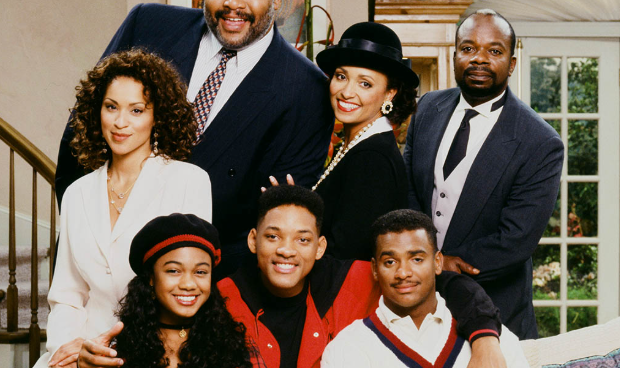
The neon spray-paint logo, the catchy rhythm of a legendary theme song, and the vibrant fashion of West Philadelphia meet the high-society gates of a California mansion. This is the world of The Fresh Prince of Bel-Air, a television masterpiece that defined a generation and reshaped the landscape of the modern sitcom. While many viewers remember the laughs, the “Carlton Dance,” and the heartfelt moments between a street-smart teenager and his wealthy relatives, the story behind the camera is just as dramatic as the one on screen.
For fans and newcomers alike, the show serves as a masterclass in blending social commentary with broad comedy. It wasn’t just a fish-out-of-water story; it was a cultural phenomenon that launched one of the world’s biggest movie stars. However, the path to the Banks’ mansion was paved with financial desperation, accidental casting, and behind-the-scenes quirks that most fans never noticed. To truly understand how this show became a “go-to” pillar of television history, one must look past the flashy exterior and into the hidden mechanics of its creation.
1. The IRS Debt That Birthed a Superstar
Long before he was a household name, the lead actor was a successful rapper who found himself in a financial nightmare. After winning the first-ever Grammy Award for Best Rap Performance, he spent his money as quickly as it came in, failing to account for his obligations to the Internal Revenue Service. Faced with a staggering debt that reached into the millions, his assets were seized, and he was on the brink of bankruptcy. This desperation is what drove him to audition for a television role, despite having no prior acting experience.
The show wasn’t just a creative venture; it was a financial lifeline. Because of his massive debt, the government reportedly garnished a significant portion of his salary for the first several seasons. This high-stakes environment forced a raw, hungry performance that defined the character’s early energy. The “Fresh Prince” persona we see on screen is a man playing for his life, proving that sometimes the greatest art is born from the most stressful circumstances. Without that financial crisis, one of the most beloved sitcoms in history might never have existed.
2. The Hilarious Origin of the Carlton Dance
Alfonso Ribeiro’s portrayal of Carlton Banks gave the world one of the most recognizable “victory dances” in history. However, the origins of the “Carlton Dance” are rooted in a humorous parody of pop culture. When the script simply called for the character to dance, the actor looked to two distinct sources for inspiration: Courteney Cox in a famous rock music video and Eddie Murphy’s “white man dance” from a stand-up special. By combining the awkward, stiff-armed swinging with an over-the-top sense of joy, he created a comedic masterpiece.
The dance became a character in its own right, symbolizing Carlton’s unique blend of preppy enthusiasm and total lack of “street cred.” While it was meant to be a joke about the character’s uncool nature, it ironically became one of the coolest parts of the show’s legacy. It serves as a reminder of how physical comedy can transcend dialogue. The actor has often noted that the dance was never intended to be a recurring gag, but the audience’s explosive reaction ensured that Carlton would be swinging his arms for seasons to come.
3. Uncle Phil Was the Voice of a Famous Villain
James Avery provided the show with its moral compass and its most booming presence as Judge Philip Banks. While fans loved him as the stern yet loving “Uncle Phil,” many are shocked to learn that he was also the voice of one of the most iconic animated villains of all time. Avery voiced Shredder, the primary antagonist in the original Teenage Mutant Ninja Turtles animated series. The range required to play both a dignified judge and an armored ninja warlord speaks to his incredible vocal talent.
This connection adds a layer of fun for fans who grew up watching both shows. Avery’s ability to command a room with his voice alone was a key component of the chemistry on set. When Uncle Phil yelled, the characters (and the audience) felt it in their bones. His background in voice acting allowed him to bring a theatrical weight to the sitcom format, elevating the role of the “sitcom dad” into something much more Shakespearean and profound. He was the anchor that allowed the younger cast members to be as wild as they needed to be.
4. The Raw Emotion of the “Father” Scene
One of the most heart-wrenching moments in television history occurs when Will’s biological father abandons him for a second time. The resulting monologue, ending with the famous line, “Why don’t he want me, man?” is often cited as the show’s emotional peak. While an urban legend suggests the scene was entirely improvised because the actor’s real father had actually abandoned him, the truth is a testament to pure acting skill. In reality, the actor had a very close relationship with his father.
The raw emotion seen on screen was the result of James Avery pushing his young co-star to find a level of vulnerability he hadn’t yet reached. After the cameras stopped rolling, the two shared a genuine, tearful embrace that wasn’t part of the script. This scene proved to critics and audiences that The Fresh Prince was capable of more than just slapstick humor. it dealt with real-world issues of abandonment, identity, and the definition of family. It remains a “go-to” example of how a comedy can pivot into a powerful drama without losing its soul.
5. The Mystery of the Two Aunt Vivians
Midway through the series, a major change occurred that is still discussed by fans today: the replacement of the actress playing Aunt Vivian. The transition from the original, darker-skinned actress to her successor remains one of the most famous recasts in TV history. While the show eventually made a meta-joke about the change, the behind-the-scenes reality involved creative differences and contractual disputes that lasted for years.
The two actresses brought entirely different energies to the role. The first Aunt Viv was often portrayed as a fiery, career-driven woman who could hold her own in any argument, while the second version was seen as a more traditional, nurturing maternal figure. This shift changed the family dynamic and serves as a fascinating case study in how a single casting choice can alter the “flavor” of a long-running series. For many fans, the “First Aunt Viv” remains the definitive version, but the transition allowed the show to continue exploring the Banks family’s evolution through a different lens.
6. Will Smith’s “Silent” Acting Habit
In the very early episodes of the first season, eagle-eyed viewers can spot a strange habit from the lead actor. Because he was so nervous about his lack of experience and so dedicated to getting the scenes right, he memorized the entire script—including everyone else’s lines. If you watch his mouth during the other characters’ dialogue, you can see him silently mouthing their words along with them. It is a charmingly transparent look at a future superstar finding his footing.
This quirk illustrates the intense pressure he felt to succeed. He wasn’t just playing a role; he was trying to master a craft in real-time in front of millions of people. Over time, as his confidence grew, the mouthing stopped, and he became one of the most natural and charismatic performers on television. For beginners watching the show for the first time, spotting these moments in the pilot episode provides a relatable human element to a man who would eventually seem invincible in the world of entertainment.
7. The Theme Song’s Missing Verse
Almost everyone knows the lyrics to the opening theme, but few realize that the version aired on television is a heavily edited cut of a much longer song. The full version includes several verses that provide more detail about Will’s journey from Philadelphia to Los Angeles. These missing lyrics describe a first-class flight where he’s “drinking orange juice out of a champagne glass” and his mother’s concern about the “bad boys” in the neighborhood.
The decision to shorten the song was purely a matter of broadcast timing, but the full track offers a more complete narrative arc. The song itself was a collaboration between the star and his long-time musical partner, and its success was a major factor in the show’s branding. It broke the “fourth wall” of sitcom openings by telling a linear story that set the stage for every episode. Even today, the theme song is considered an anthem of the era, proving that a great hook is the best way to invite an audience into a fictional world.
8. Why Jazz Always Wore the Same Shirt
A recurring gag in the series involved Will’s best friend, Jazz, being physically tossed out of the Banks’ mansion by Uncle Phil. Fans eventually noticed that whenever Jazz was thrown out, he was wearing the same distinct, brightly patterned shirt. This wasn’t a coincidence or a character choice; it was a clever way to save money on production. Because filming a physical stunt like being thrown through a door is time-consuming and expensive, the crew only filmed the action once.
Whenever the writers wanted Jazz to be ejected, they simply edited in that original footage from the first season. To make the edit work, the actor had to wear that specific shirt in every scene where his character was destined to be tossed. This “cost-saving” measure became a beloved inside joke for the audience. It highlights the ingenuity of sitcom production, where a technical limitation is transformed into a signature comedic beat that fans look forward to in every appearance of the character.
9. The Mansion Wasn’t Actually in Bel-Air
The sprawling white mansion seen in the show’s establishing shots is one of the most famous houses in television history. However, in a classic case of Hollywood “magic,” the house isn’t located in Bel-Air at all. The actual residence used for the exterior shots is located in the nearby neighborhood of Brentwood. Furthermore, the interior of the house was a set built on a soundstage, which is why the layout often feels much larger and more “theatrical” than a real home.
This is a common practice in the industry, as filming inside a real mansion would be logistically impossible for a multi-camera sitcom. The choice of the Brentwood house was based on its imposing columns and “old money” aesthetic, which perfectly contrasted with Will’s “new money” and streetwise background. The house became a symbol of the American Dream and the barriers—both physical and social—that the main character had to navigate. Even though the address was a lie, the symbolism of the gates was entirely real.
10. The Fans Saved the Show from Cancellation
It is hard to imagine a world where The Fresh Prince didn’t run for six full seasons, but the show was actually facing cancellation much earlier than its eventual end. After the fourth season, the network considered pulling the plug due to shifting ratings and production costs. However, the show’s fanbase was incredibly vocal. A massive letter-writing campaign and an outpouring of support from viewers convinced the network that the Banks family still had more stories to tell.
This fan intervention allowed the show to reach its natural conclusion, giving the characters the send-off they deserved. The final two seasons included some of the most memorable episodes of the series, showing the kids growing up and moving on to their own lives. This “rescue” by the audience is a testament to the deep emotional connection the show fostered. It wasn’t just a sitcom; it was a part of the viewers’ lives. The longevity of the series ensured its place in the pantheon of television, allowing it to remain a “staple” for future generations to discover through syndication.
Further Reading
To learn more about the cultural impact and the history of this legendary series, consider these insightful titles:
- Will by Will Smith and Mark Manson
- The Fresh Prince Project by Chris Palmer
- Best Seat in the House by Alfonso Ribeiro (Focuses on his career and life in the industry)
- TV (The Book) by Alan Sepinwall and Matt Zoller Seitz (Features analysis of the show’s place in TV history)
- 10 Scream (1996) Movie Facts That Changed Horror
- 10 Futurama TV SHOW Facts That Still Hold Up
- 10 Things You Should Know About The Making Of And History Of The Video Game – Diablo II
- 10 Things You Should Know About The Making Of And History Of The Video Game – The Legend of Zelda: Ocarina of Time
- 10 The Lion King (1994) Facts That Made It Iconic – Classic Movie
- 10 Forrest Gump (1994) Facts That Make It Timeless – Classic Movie
- 10 Fight Club (1999) Facts That Still Surprise Fans – Classic Movie
- 10 The Incredibles (2004) Facts That Made It Unique – Classic Movie
- 10 Jurassic Park (1993) Facts That Changed Movies Forever – Classic Movie
- 10 Essential Facts About Rugrats TV Show You Should Know