
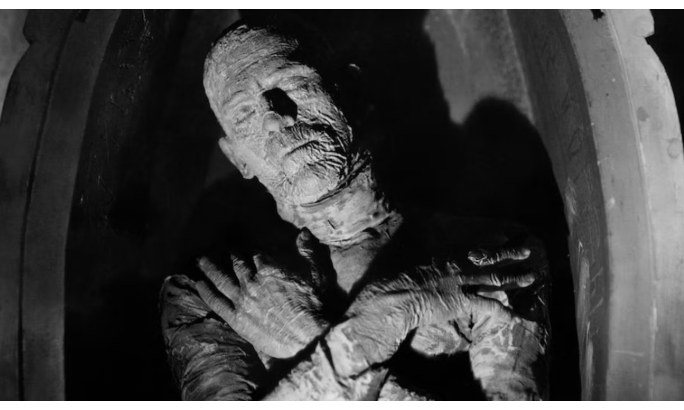
The shifting sands of time have buried many a Hollywood trend, but one figure remains eternally unearthed: the Mummy. Within the pantheon of classic cinema monsters, the Mummy holds a unique position, blending ancient mysticism with the primal fear of the inevitable. Unlike the frantic energy of a werewolf or the calculating coldness of a vampire, the Mummy represents a slow, unstoppable crawl toward a cursed destiny. For decades, the Mummy movie history has been a fascinating mirror of our own cultural fascinations with archaeology, the afterlife, and the consequences of disturbing the sacred.
From the grainy, black-and-white shadows of early horror to the high-octane, digital spectacles of modern blockbusters, this franchise has reinvented itself more times than a pharaoh seeking reincarnation. It is a story of creative risks, technological leaps, and a character that refuses to stay in the sarcophagus. Whether you are a fan of slow-burn psychological dread or explosive desert adventures, understanding the evolution of this iconic monster is key to appreciating the broader landscape of horror and action cinema.
1. The Inception of the Icon and the Shadow of Tutankhamun
The cinematic birth of the Mummy was not a random spark of imagination but a direct response to a global obsession. In the early decades of the twentieth century, the discovery of a nearly intact pharaoh’s tomb sent the world into a frenzy of “Egyptomania.” The rumors of a deadly curse surrounding the archaeological team provided the perfect blueprint for a new kind of monster. Unlike the literary monsters like Frankenstein or Dracula, the original Mummy film was a product of contemporary news headlines. It transformed real-world archaeological intrigue into a narrative of supernatural vengeance. This first outing focused less on a shambling, bandaged brute and more on a tragic, immortal figure obsessed with a lost love. By grounding the fantasy in the aesthetics of the time, the filmmakers created a character that felt both ancient and eerily relevant to an audience still captivated by the mysteries of the Valley of the Kings.
2. Boris Karloff’s Transformation into the High Priest Imhotep
When audiences first encountered the creature in the debut feature, they weren’t met with a mindless beast, but with the haunting presence of Boris Karloff. Known for his versatility, Karloff portrayed the high priest with a quiet, terrifying intensity that didn’t rely on jump scares. Interestingly, the “bandaged” version of the Mummy—the image most iconic to the public—actually appears for only a few minutes at the beginning of the film. For the majority of the story, Karloff portrays a weathered, ancient man named Ardath Bey. His makeup, designed by legendary artist Jack Pierce, was a masterpiece of practical effects, requiring hours of application to simulate thousands of years of skin decay. Karloff’s performance established the Mummy as a sophisticated antagonist, one capable of using hypnosis and intellect rather than just brute strength, setting a high bar for every actor who would later step into the dusty wrappings.
3. The Shift from Psychological Suspense to the “Shambling Menace”
As the franchise progressed into its first set of sequels and follow-ups, the character underwent a significant physical and intellectual change. The nuanced, tragic priest was replaced by a more traditional “monster” often referred to as Kharis. This version of the Mummy was the one that truly popularized the trope of the slow-moving, silent pursuer with one arm held across his chest. This shift moved the series away from the romantic tragedy of the original and closer to the “slasher” precursors. These films leaned heavily into the idea of the Mummy as an unstoppable force of nature, a mindless drone controlled by a villainous high priest. While some critics argue this simplified the character, it was during this era that the visual language of the Mummy was solidified in the public consciousness: the tattered linen, the dragging foot, and the immunity to conventional weapons.
4. The Hammer Horror Renaissance and the Power of Color
Mid-century cinema saw the torch of horror pass to a British studio that specialized in vivid, gothic reimaginings. This era brought the Mummy into a world of saturated colors and heightened violence. The casting was particularly inspired, reuniting two giants of the genre: Christopher Lee and Peter Cushing. Christopher Lee brought a physical presence to the role that had never been seen before. Standing tall and moving with a terrifying agility, his version of the creature was a far cry from the slow-moving dolls of previous decades. He played the monster with a sense of trapped humanity, expressing agony through his eyes despite being covered in heavy prosthetics. This period revitalized the Mummy movie history by proving that the character could survive a transition in tone, moving away from dusty shadows and into a more visceral, action-oriented style of storytelling.
5. The Radical Transition to the Action-Adventure Spectacle
At the turn of the millennium, the franchise underwent its most drastic metamorphosis. Moving away from the confines of the horror genre, the series was reimagined as a swashbuckling adventure reminiscent of classic pulp serials. This version traded claustrophobic tombs for vast desert landscapes and introduced a lighter, more comedic tone. The story centered on a charismatic adventurer and a brilliant librarian, creating a dynamic that felt fresh and energetic. This era leaned heavily into the supernatural elements but framed them as obstacles in a grand quest rather than just sources of terror. By blending romance, slapstick humor, and epic battles, this iteration introduced the Mummy to a whole new generation of viewers, proving that the ancient curse could be the foundation for a blockbuster popcorn flick just as easily as a psychological thriller.
6. The Evolution of Visual Effects: From Bandages to Sand
The visual representation of the creature has always been at the cutting edge of contemporary technology. In the early days, the magic was found in the makeup chair, using cotton and collodion to create the illusion of parched skin. However, as the industry moved into the digital age, the Mummy became a showcase for the power of computer-generated imagery. In the late twentieth-century revival, the monster was able to do things previously impossible: he could transform into a sandstorm, control the elements, and regenerate his physical form in real-time by consuming his victims. These effects allowed the filmmakers to visualize the “supernatural” aspect of the Mummy in a way that practical suits never could. This technological leap turned the character from a man in a costume into a god-like entity of immense power, fundamentally changing how the audience perceived the threat level of the undead priest.
7. The Romantic Core and the Tragedy of Eternal Love
One consistent thread throughout the Mummy movie history is the motivation of love. Unlike many other monsters who kill out of hunger or malice, the Mummy is almost always driven by a desire to reunite with a lost soul. Whether it is the reincarnation of a princess or the literal resurrection of a forbidden lover, the Mummy’s quest is inherently human. This “romantic tragedy” element provides a layer of empathy that is rare in horror. We see a man who was willing to defy the gods and endure eternal torture just for a chance to see his beloved again. This makes the Mummy a “sympathetic monster,” a trope that has allowed the franchise to explore themes of grief, obsession, and the cruelty of time. It is this emotional anchor that prevents the character from becoming a one-dimensional villain.
8. The Legacy of the “Curse” as a Plot Device
The “Mummy’s Curse” is perhaps the most famous plot device in all of supernatural cinema. It serves as the ultimate “do not touch” sign, a warning that curiosity comes with a lethal price. Throughout the various iterations of the films, the curse has functioned in different ways. In the early films, it was a subtle, psychological doom that befell those who entered the tomb. In later versions, it became a literal plague of locusts, water turning to blood, and catastrophic disasters. The curse allows the movies to play with the idea of fate; once you have disturbed the sleep of the ancients, your death is a mathematical certainty. This narrative tool creates instant stakes and a sense of impending doom that drives the pacing of the films, keeping the audience on the edge of their seats as they watch the characters scramble to undo their mistakes.
9. Subverting Gender and the Rise of the Female Mummy
While the character of the Mummy was traditionally male for the majority of the twentieth century, the franchise eventually began to experiment with gender dynamics. In more contemporary takes, the central antagonist was reimagined as a powerful princess whose thirst for power led to her mummification. This shift allowed the films to explore different social themes, such as the suppression of female agency in ancient cultures and the fury of a woman scorned by history. By changing the gender of the monster, the filmmakers were able to update the visual aesthetic and the character’s motivations, proving that the “Mummy” title is a mantle that can be worn by anyone. This evolution reflected a broader trend in cinema of diversifying classic roles and finding new perspectives within established lore.
10. The Enduring Cultural Impact of the Sarcophagus
Why does the Mummy persist? Its longevity is due to its status as the bridge between the world of the living and the mysteries of the dead. The image of the sarcophagus being opened is a metaphor for the human desire to uncover the truth, even if that truth is dangerous. The Mummy movie history has influenced everything from high-fashion aesthetics to other major film franchises. It has taught us to respect the past and to be wary of our own hubris. Whether through animated series, theme park attractions, or endless parodies, the Mummy has become a permanent fixture of global folklore. It remains a “Friend ’til the End” in its own right—a monster that we keep coming back to because it reminds us that while civilizations may fall and sand may cover the statues of kings, a great story is truly immortal.
Further Reading
- The Mummy’s Curse: The True History of a Dark Fantasy by Roger Luckhurst
- Universal Horrors: The Studio’s Classic Films, 1931-1946 by Tom Weaver, Michael Brunas, and John Brunas
- The Hammer Story: The Authorised History of Hammer Films by Marcus Hearn and Alan Barnes
- Egyptomania: A History of Fascination, Obsession and Fantasy by Ronald H. Fritze
- 10 The Exorcist III (1990) Movie Facts You Didn’t Know
- 10 Scream (1996) Movie Facts That Changed Horror
- 10 Hostel (2005) Movie Facts That Shocked Viewers
- 10 Hellraiser (1987) Movie Facts That Built Its Legacy
- 10 Candyman (1992) Movie Facts That Still Give Chills
- 10 Essential Facts About The Texas Chainsaw Massacre (1974)
- 10 Essential Facts That Explain the World of The Walking Dead TV Show
- From – Season 1 Full Recap and Spoilers Explained
- 10 Things You Should Know About The Thing (1982) – Movie Facts and Hidden Details
- 10 Fascinating Supernatural Facts You Probably Missed – TV Show Lore
animation history Avengers behind the scenes behind the scenes movie facts Business & Finance character design comic book history Conspiracies cult classic movies emotional intelligence Entertainment Future Talk Geography health Health & Psychology Health & Wellness Historical Figures History hollywood history Jack Kirby Lifestyle Marvel comics Marvel cosmic Marvel lore Marvel Universe mental-health Movie Facts movie trivia nature nutrition Pop Culture pop culture icons practical effects psychological horror Psychology Saturday morning cartoons Science & Environment Spirituality Sports Stan Lee superhero origins Technology travel Travel & Holidays wellness



